What Age Should a Child Start Music Lessons?
There is no single perfect age to start music lessons, but there is a best start for each age. Here is what children can do at every stage, which instruments fit, and the signs your child is ready.
In this guide
Parents ask this question more than any other: is my child old enough for music lessons, or have we already left it too late? The honest answer is reassuring. Children can enjoy music from birth, formal lessons work well from around five or six for most instruments, and it is never too late to begin. What matters most is matching the kind of music learning to the stage your child is at.
Music before lessons: birth to three
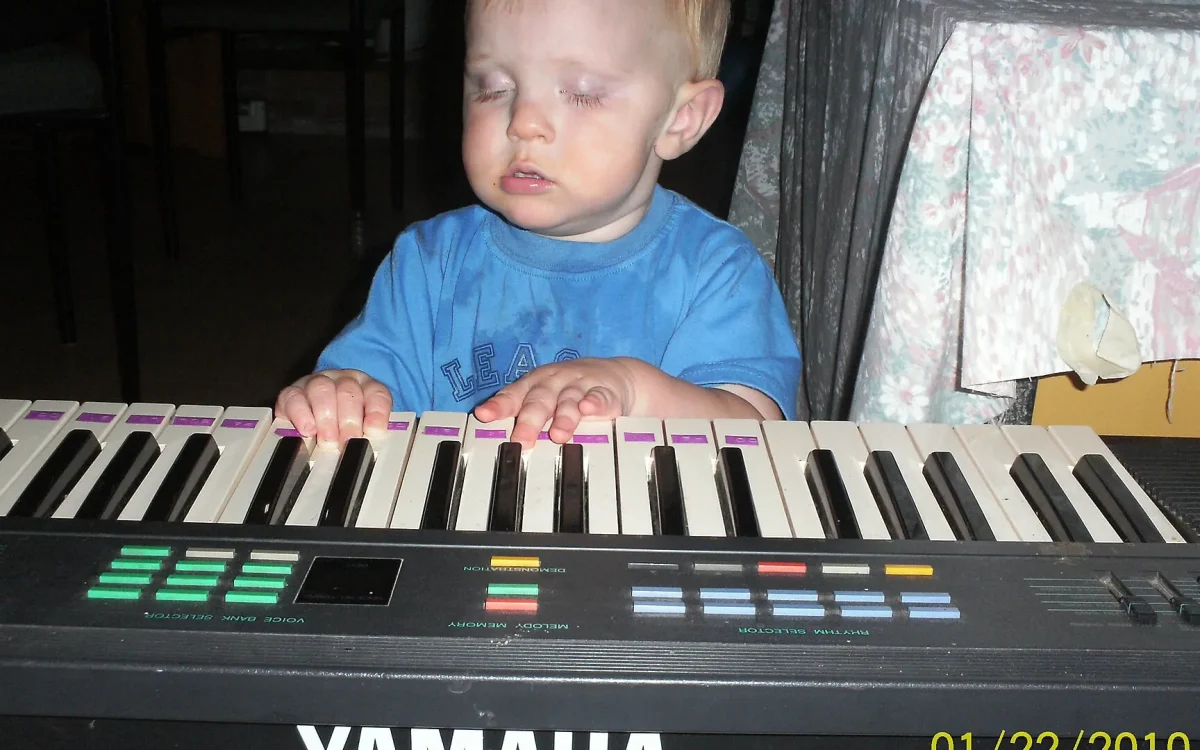
Babies and toddlers learn music the same way they learn language: by hearing it, moving to it and joining in. They do not need lessons, but they benefit enormously from a musical home. Sing to them, bounce them to a beat, play simple shakers and drums together, and let them hear many kinds of music. Group classes for parents and toddlers can be lovely, but singing at home matters just as much. Our guide to singing with babies and toddlers has simple ideas.
Three to five: musical play
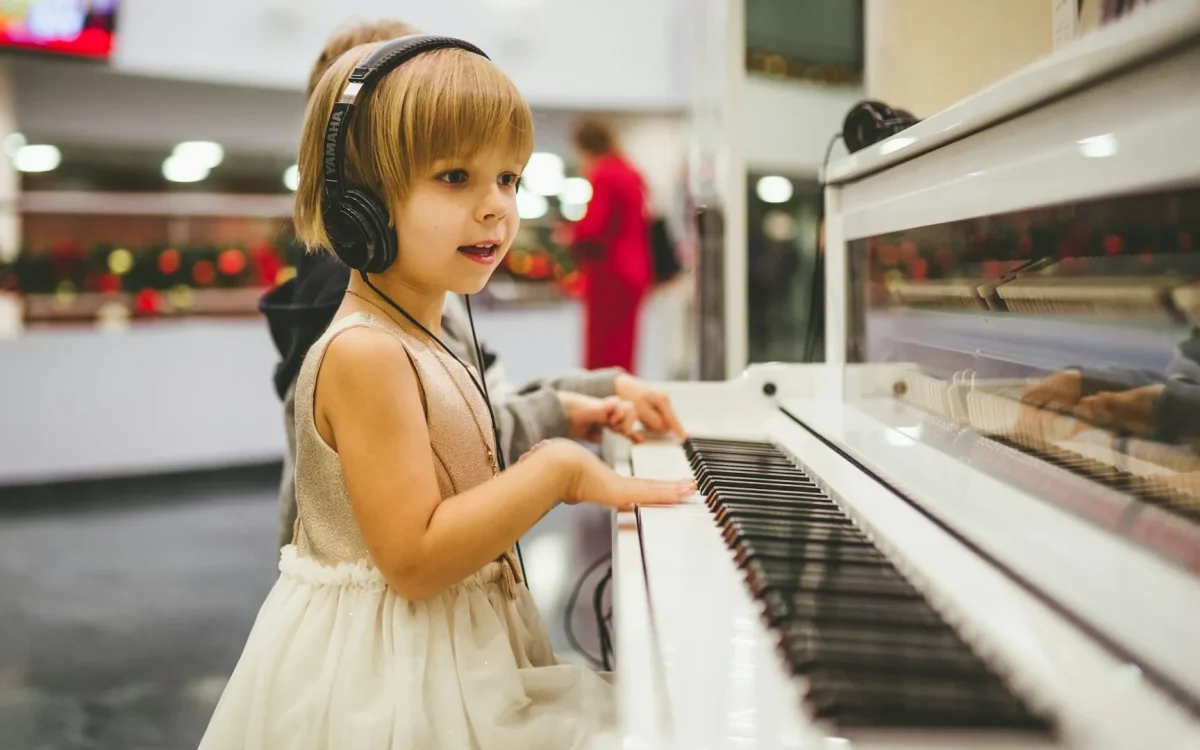
Preschool children are ready for structured musical play. A good early childhood music class uses songs, movement, rhythm games and simple percussion to build a sense of beat and pitch. Some children start piano or violin at four with specialist methods designed for very young learners, usually with a parent closely involved. For most families, though, these years are best spent building a love of music through play. See music activities for toddlers and preschoolers.
Five to seven: the classic starting age
Many children are ready for one-to-one lessons around five to seven. By this age, most can concentrate for short periods, recognise numbers and letters, and follow simple instructions. Piano is a popular first instrument because notes are laid out visually and sound good straight away. Violin, recorder and ukulele also suit this age, especially in small sizes. Lessons are usually 20 to 30 minutes, with a few minutes of practice at home each day.
Eight to ten: wider choice
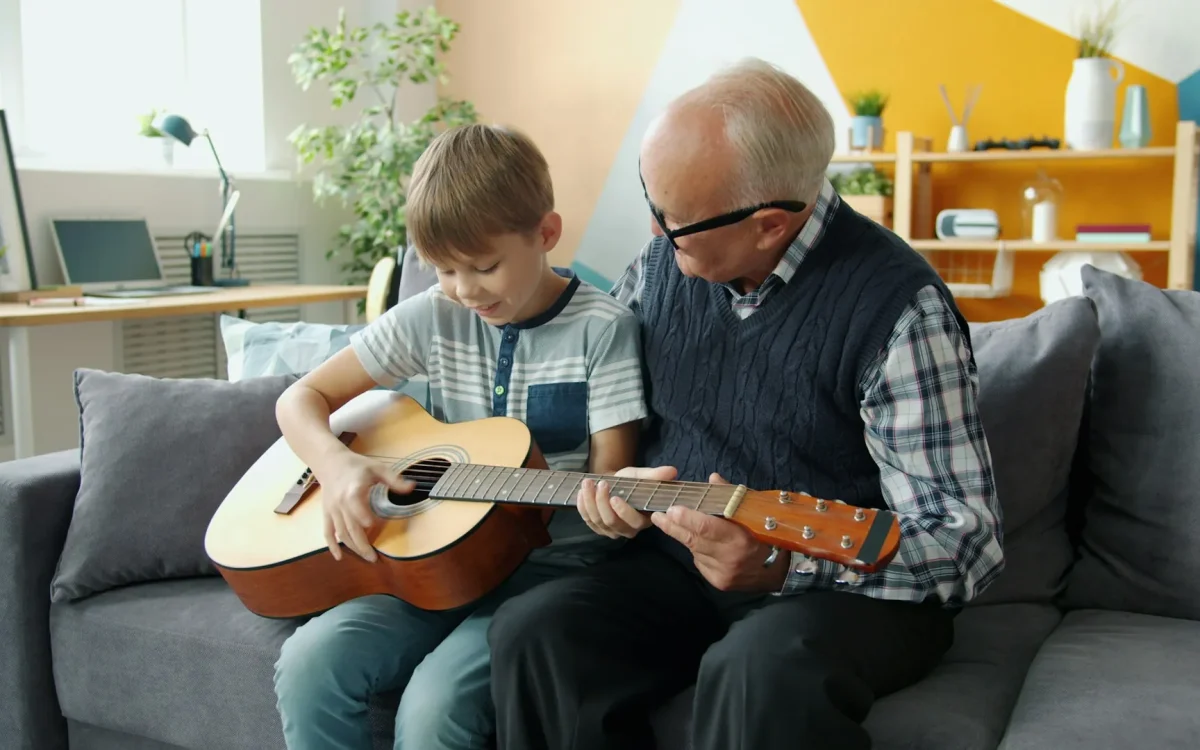
From around eight, children have the hand size, strength and reading skills for a wider range of instruments, including guitar, cello, flute and drums. They can follow longer lessons, understand practice goals and enjoy group activities such as school bands and choirs. If your child shows a strong interest in a particular instrument, this is a great age to start it.
Eleven and older: never too late
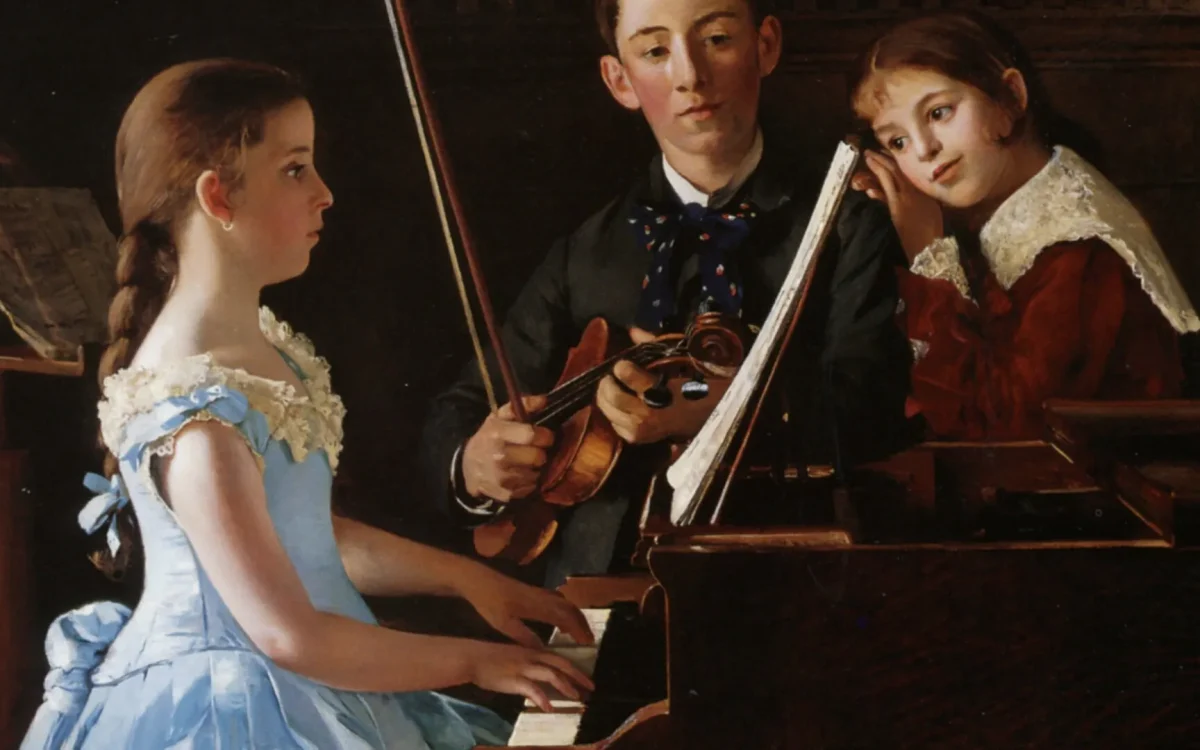
Older children and teenagers often progress quickly because they understand instructions, read fluently and can practise independently. Some brass and woodwind instruments, and singing lessons that develop the voice in depth, are often best started now. Motivation becomes the key factor: choosing music they love and setting goals that matter to them.
Readiness at a glance
| Age | Best kind of learning | Instruments that often fit | Typical lesson |
|---|---|---|---|
| 0–3 | Singing, movement, play at home | Voice, shakers, small drums | Parent and toddler class (optional) |
| 3–5 | Group musical play | Percussion, glockenspiel, early piano or violin methods | 30–45 min group |
| 5–7 | First one-to-one lessons | Piano, violin, recorder, ukulele | 20–30 min |
| 8–10 | Lessons plus groups | Guitar, cello, flute, drums, keyboard | 30–45 min |
| 11+ | Goal-based learning | Any, including brass, woodwind, voice | 30–60 min |
Signs your child is ready
- They ask to play an instrument, or keep returning to one at home.
- They can concentrate on a calm activity for 10 to 15 minutes.
- They can count to ten and recognise simple patterns.
- Their hands are big enough for the instrument (a teacher or shop can check).
- They enjoy singing, dancing or tapping along to music.
Not every sign needs to be there. A child who is excited but restless may do well with short, active lessons; see lessons for children who find it hard to sit still.
Why starting “too early” can backfire
Pushing formal lessons before a child is ready can turn music into a chore. If a four-year-old finds lessons frustrating, it is usually better to pause and return in a year with fresh enthusiasm than to force practice now. Early experiences shape how a child feels about music for years, so a joyful start matters more than an early one.
How to start well at any age
- Let your child try instruments. Music shops, school open days and trial lessons help children discover what they enjoy. Our guide to the best first instrument for a child can help you narrow it down.
- Find the right teacher. Look for someone experienced with your child’s age. See how to choose a music teacher for your child.
- Keep practice short and regular. Five to ten minutes a day is plenty for young beginners. Our practice routines by age show what to aim for.
- Make it part of family life. Listen to music together, go to concerts and celebrate small achievements.
What about adults?
If you are reading this as a parent who always wished you had learned, it is not too late for you either. Adults learn music successfully at every age, and learning alongside your child can be a wonderful shared project. See music lessons for adults.
Frequently asked questions
Is it too late to start at 10 or 12?
Not at all. Many professional musicians started at this age or later. Older beginners often progress faster because they read well, understand instructions and can practise independently.
Should my child start with piano before another instrument?
Piano is a great foundation because it makes music theory visible, but it is not required. The best first instrument is one your child is excited to play.
How long should lessons be for a five-year-old?
Twenty to thirty minutes is usually enough. Short, focused lessons keep young children engaged and leave them wanting more.
Questions and notes