Learn to Read Music in 7 Days: A Beginner’s Plan
A one-week plan to learn the basics of reading music: the staff, treble and bass clefs, note values, rests, time signatures, sharps and flats, and reading your first simple melody.
In this guide
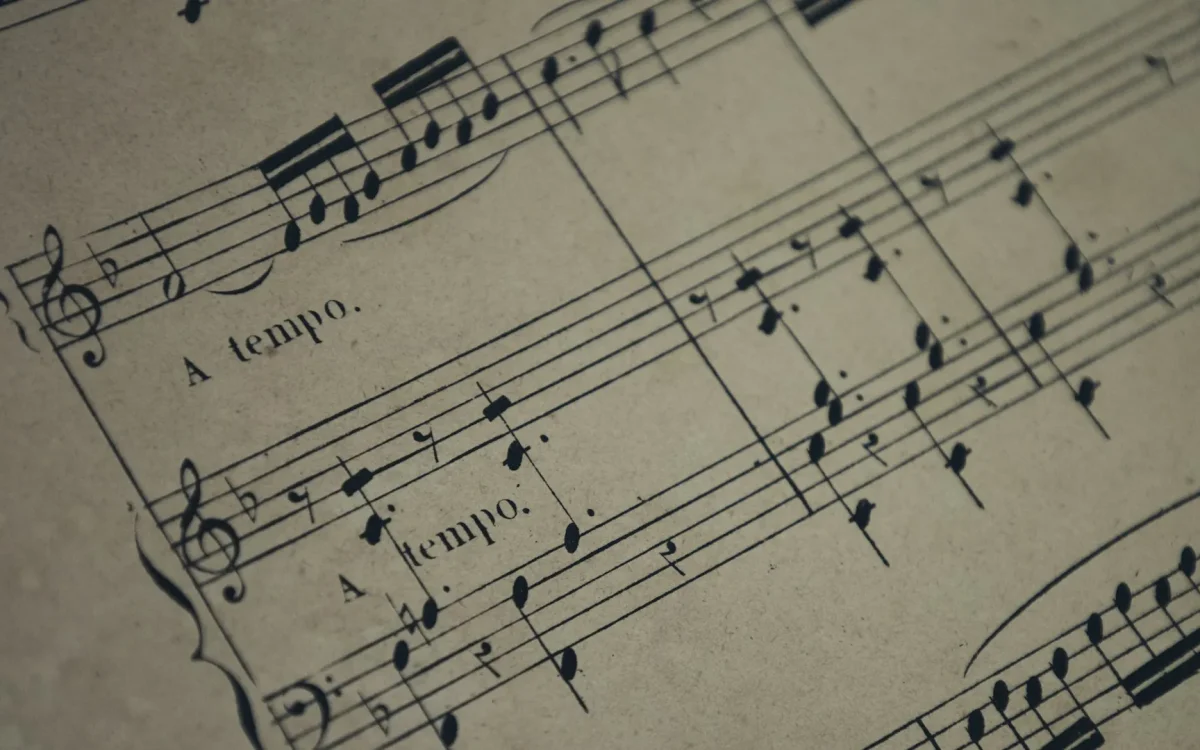
Reading music can look like a secret code, but its basic elements are surprisingly simple. In one week, with about twenty minutes a day, you can learn enough to read simple melodies and understand most of what you see on a beginner’s page of music. Fluency takes longer, just as reading words does, but this seven-day plan gives you a solid foundation to build on, whether you play piano, guitar, a wind instrument or sing.
Day 1: the staff and the musical alphabet
Music is written on a staff (or stave) of five horizontal lines and four spaces. Notes are placed on the lines and in the spaces; the higher a note sits on the staff, the higher it sounds. The musical alphabet uses only seven letters: A, B, C, D, E, F and G. After G, the letters start again at A. Spend today learning to say the alphabet forwards and backwards quickly, and drawing a staff. Notice that moving from a line to the next space up is one step in the alphabet.
Day 2: the treble clef
A clef at the start of the staff tells you which notes the lines and spaces represent. The treble clef is used for higher instruments and voices, and for the right hand on the piano. In treble clef, the lines from bottom to top are E, G, B, D, F, often remembered as “Every Good Boy Deserves Fun”. The spaces spell F, A, C, E, which spells “FACE”. Learn these today and practise naming notes. See treble clef memory tricks.
Day 3: the bass clef
The bass clef is used for lower instruments and voices, and for the left hand on the piano. In bass clef, the lines from bottom to top are G, B, D, F, A (“Good Boys Do Fine Always”), and the spaces are A, C, E, G (“All Cows Eat Grass”). Middle C sits on a short extra line, called a ledger line, between the two clefs. See bass clef notes made easy.
Day 4: note values
The shape of a note tells you how long it lasts. In most beginner music, a crotchet (quarter note) lasts one beat. A minim (half note) lasts two beats, a dotted minim (dotted half note) three beats, and a semibreve (whole note) four beats. A quaver (eighth note) lasts half a beat; two quavers fit in one beat. Clap and count each value today. See note values explained.
| UK name | US name | Beats (in 4/4) |
|---|---|---|
| Semibreve | Whole note | 4 |
| Dotted minim | Dotted half note | 3 |
| Minim | Half note | 2 |
| Crotchet | Quarter note | 1 |
| Quaver | Eighth note | 1/2 |
Day 5: rests, bars and time signatures
Rests are silences, and each note value has a matching rest. Music is divided into bars (measures) by vertical bar lines. The time signature, two numbers at the start of the music, tells you how many beats are in each bar (top number) and what kind of note gets one beat (bottom number). In 4/4 time, there are four crotchet beats per bar; in 3/4, three. Today, clap simple rhythms in 4/4 and 3/4, counting out loud. See time signatures explained.
Day 6: sharps, flats and naturals
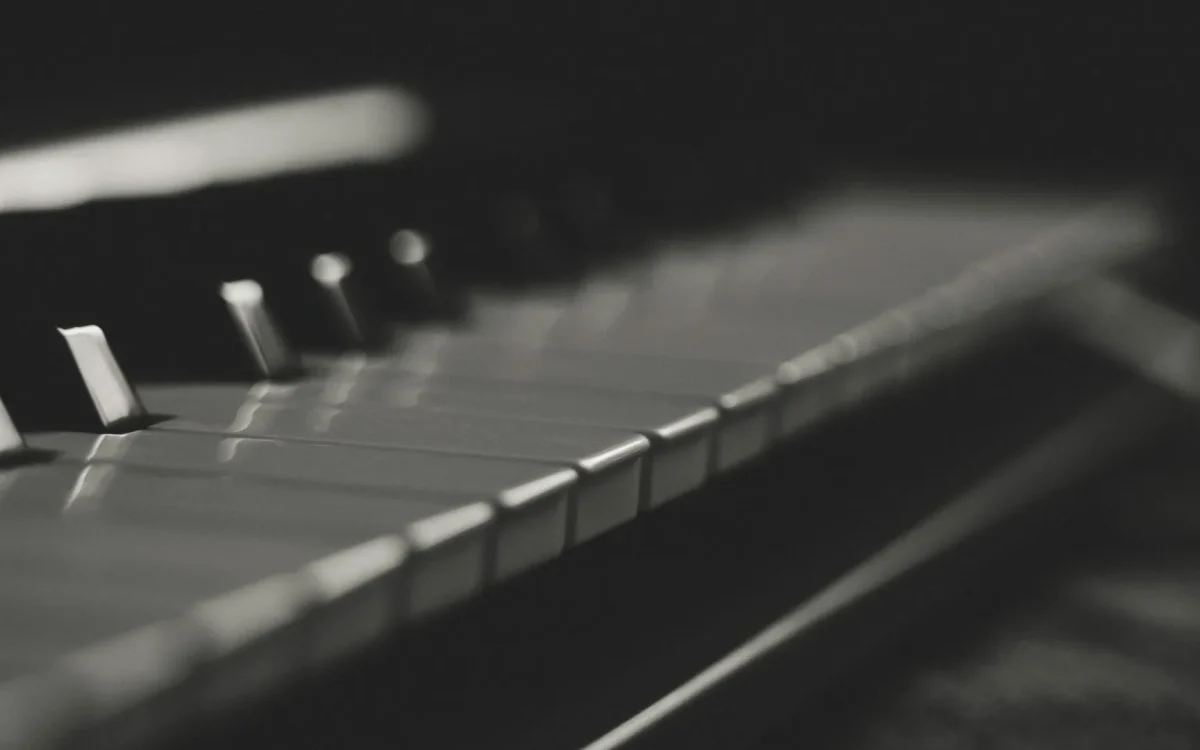
A sharp sign (♯) raises a note by a semitone, the smallest step in Western music. A flat sign (♭) lowers it by a semitone. A natural sign (♮) cancels a sharp or flat. On a piano, sharps and flats are often the black keys. Learn to recognise these signs today and find them on your instrument. See sharps, flats and naturals in plain English.
Day 7: read your first melody
Put everything together. Choose a very simple melody, such as “Ode to Joy” or “Mary Had a Little Lamb”, written in treble clef with crotchets and minims. First, name each note. Then clap the rhythm while counting. Finally, play or sing it slowly. Do not worry about speed; accuracy comes first. Congratulations: you are reading music.
Daily practice tips
Spend five minutes each day reviewing previous days before learning something new. Use flashcards for note names; see how to use music flashcards. Our free note reading trainer quizzes you on treble and bass clef notes with a score and streak, which makes daily practice quick and fun. Write note names in pencil at first if needed, but try to rely on them less each day.
A closer look: what comes after week one
After seven days, you will understand the basics, but reading fluently takes regular practice over months. The next steps are reading by intervals (steps and skips) rather than naming every note, learning key signatures, reading notes above and below the staff on ledger lines, and sight-reading a little new music each day. Reading easy music often, rather than hard music occasionally, is the fastest route to fluency. See steps and skips and key signatures for beginners.
Putting it into practice
Follow the plan day by day, spending about twenty minutes each day. Keep a small notebook for drawing staffs, notes and rhythms. After week one, continue with five minutes of note reading practice daily and one short, easy piece each week. The Note Reading Tutor AI can create extra exercises and explain anything that is unclear.
Frequently asked questions
Can I really learn to read music in a week?
You can learn the basics in a week. Reading fluently takes regular practice over months.
Should I learn treble or bass clef first?
Learn the clef your instrument uses. Pianists learn both, usually starting with treble.
Is it okay to write note names on the music?
At first, yes. Gradually reduce how often you do it so that you learn to read without them.

Questions and notes