Singing With Babies and Toddlers: Why It Matters and How to Start
Singing to babies and toddlers supports bonding, language and early musical skills. Here is how to start even if you think you cannot sing, with songs and routines for every part of the day.
In this guide
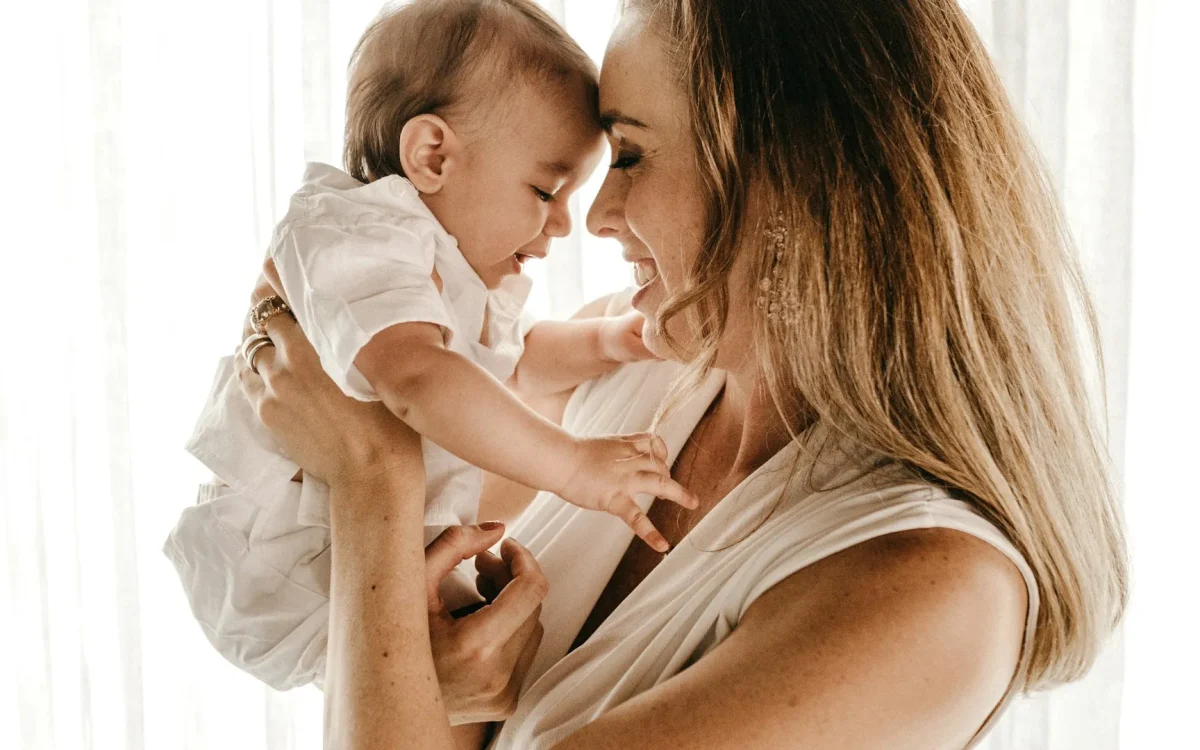
Long before children speak, they respond to music. Babies turn towards a singing voice, calm down to lullabies and bounce happily to rhythms. Singing with your baby or toddler is one of the simplest, most natural ways to support their development and to share close, joyful moments together. You do not need a good voice, special songs or any training. You only need to start.
Why singing matters in the early years
Singing to young children is valued by parents and early years professionals for many reasons. It is a powerful way to connect: eye contact, closeness and a familiar voice make babies feel safe. Songs also support early language, because sung words are slower, more rhythmic and more repetitive than speech, which makes them easier for little ears to follow. Rhymes and songs introduce the sounds and patterns of language in a playful way.
Singing also lays the foundations of musicality. Children who hear songs regularly develop a feel for beat, melody and rhythm long before formal lessons. Later, these children often find it easier to sing in tune and keep time. And perhaps most importantly, singing is joyful. It can turn nappy changes, car journeys and bedtimes into shared moments of fun.
“But I can’t sing”
Many parents feel self-conscious about their singing voice. Your baby does not care. To them, your voice is the most interesting sound in the world, whether you sing in tune or not. Sing quietly, hum, chant rhymes rhythmically, or sing along to recordings at first. Confidence grows with use, and many parents discover they enjoy it far more than they expected. If you want to build your own skills, our beginner’s singing roadmap is a gentle start.
Songs for every part of the day
| Moment | Kind of song | Why it helps |
|---|---|---|
| Waking up | A cheerful good-morning song | Starts the day with connection |
| Nappy change | Tickle and body-part songs | Keeps baby calm and engaged |
| Mealtimes | Counting songs | Introduces numbers and patience |
| Car journeys | Repetitive singalongs | Entertainment and language |
| Bath time | Splashing and action songs | Movement, play, routine |
| Bedtime | Slow, quiet lullabies | Calms and signals sleep |
Singing with babies (0–12 months)
With babies, simple is best. Sing slowly and gently, look into their eyes, and use the same few songs often. Rock or bounce them gently to the beat. Lullabies from your own childhood or culture are perfect: they carry family memories as well as music. Watch your baby’s reactions: you will soon learn which songs calm them and which make them smile.
Singing with toddlers (1–3 years)
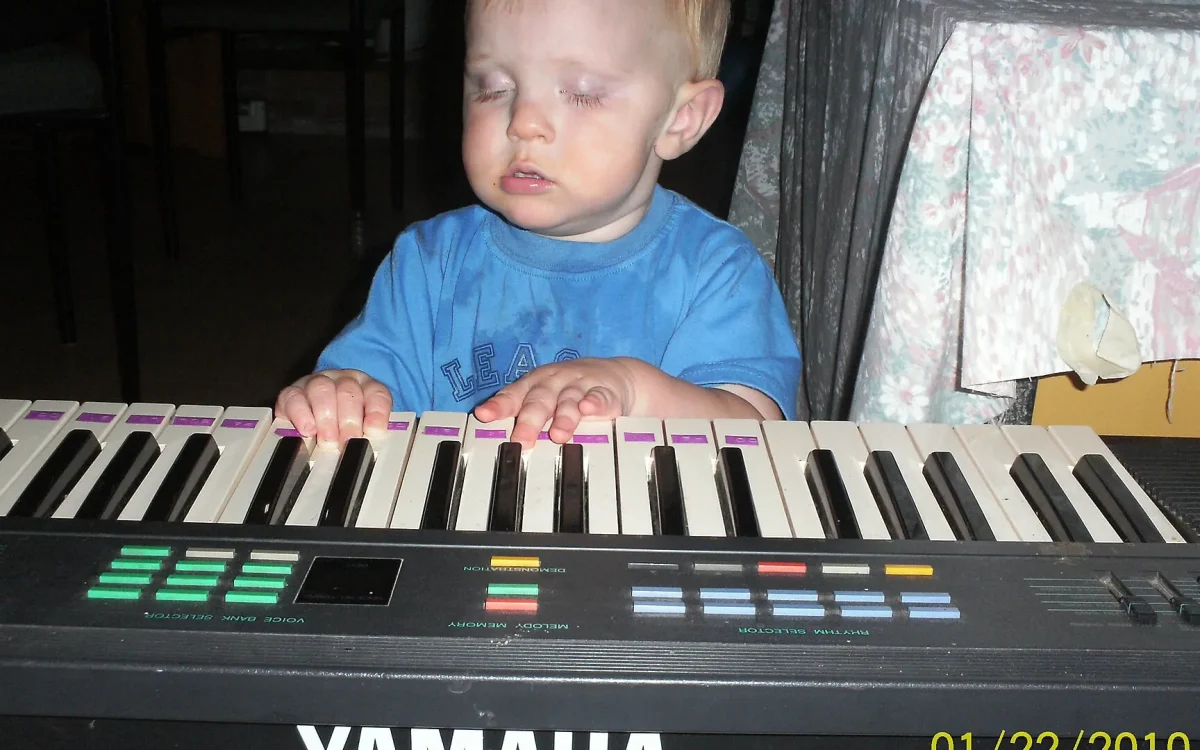
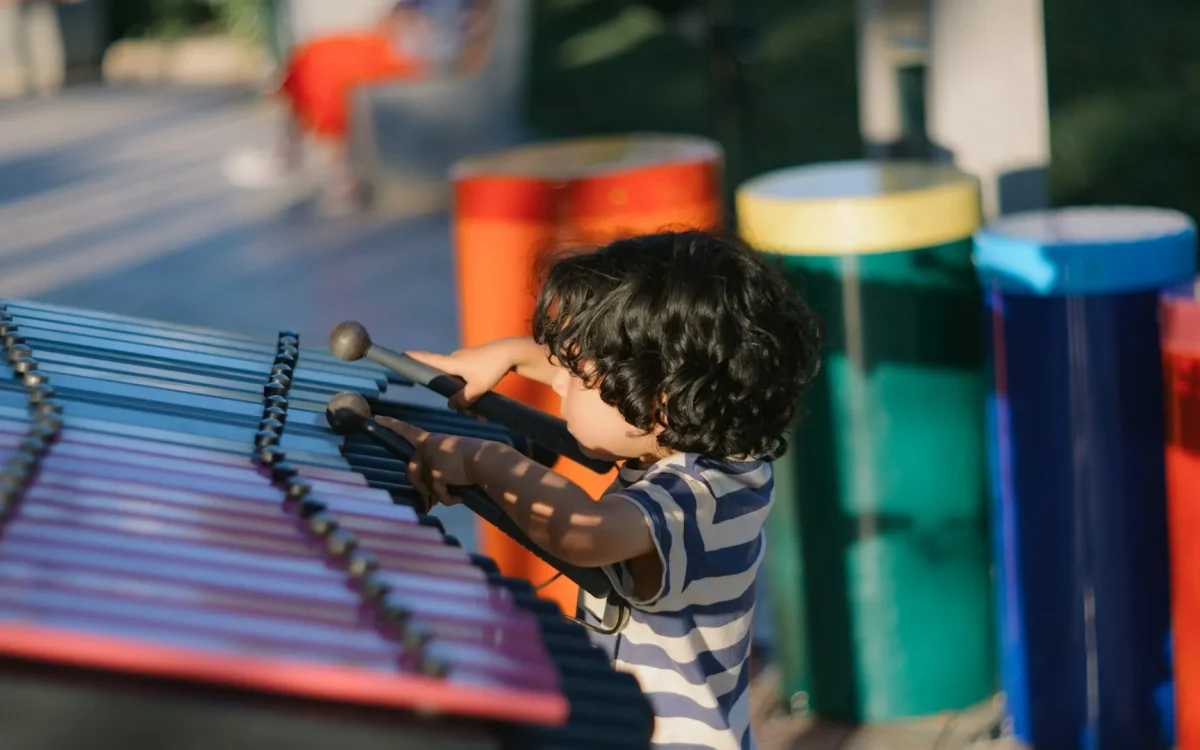
Toddlers love action songs with gestures, clapping and movement. They enjoy filling in the last word of a line, choosing songs and singing the same favourite many times. Make up songs about everyday activities, such as putting on shoes or tidying toys, using familiar tunes. Add simple instruments: shakers, drums and bells. See music activities for toddlers and preschoolers for more ideas.
Making it a habit
The easiest way to sing more is to attach songs to routines. A wake-up song, a tidy-up song and a bedtime song give structure to the day and help toddlers understand what is coming next. Keep a short list of favourite songs on the fridge for days when your mind goes blank. Invite other family members to share songs from their own childhood; grandparents often know wonderful ones.
Groups and classes
Parent-and-baby music groups offer songs, movement and social time for both of you. They can be a lovely way to learn new songs and meet other families. But they are optional: singing at home, every day, gives your child everything they need musically at this age.
Looking ahead
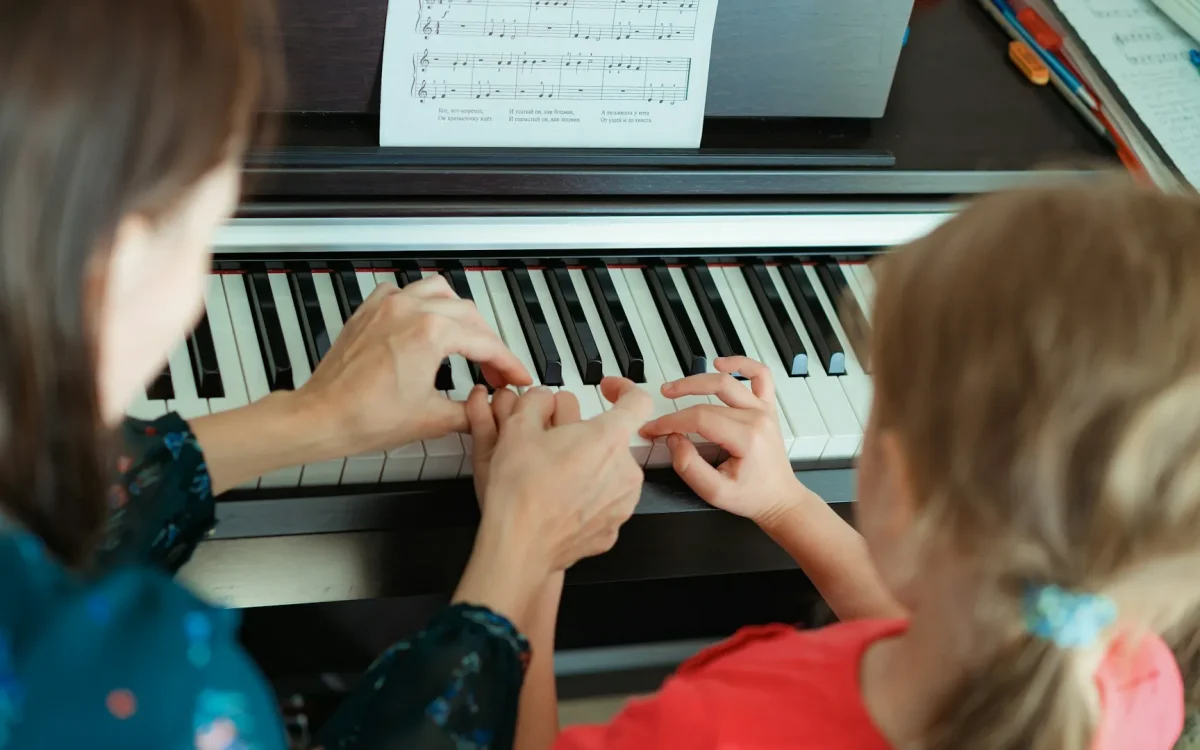
As your child grows, singing becomes the foundation for everything else in music. Children who sing confidently find it easier to learn instruments, join choirs and enjoy music throughout life. When you start thinking about lessons, read what age to start music lessons.
Making up your own songs
You do not need a large repertoire. Some of the most loved family songs are invented on the spot. Take a tune you already know and change the words to describe what is happening: “This is the way we wash our hands”, “Who’s that sitting in the bath?”, or a song about the dog, the bus or the dinner. Children adore hearing their own lives in songs, and these made-up songs often become family traditions that last for years. Keep the tune simple, repeat the words often, and leave gaps for your toddler to fill in once they start talking.
Rhythmic chants work just as well as melodies. Clap or tap a steady beat while saying a rhyme, and your child absorbs rhythm and language at the same time. As toddlers grow, invite them to invent verses too. A two-year-old’s song about a red truck may not win any prizes, but it shows creativity, confidence and the beginnings of a lifelong relationship with music.
Frequently asked questions
Is playing recorded music as good as singing?
Recorded music is enjoyable, but your live voice, with eye contact and closeness, offers connection that recordings cannot replace. Use both.
Which language should I sing in?
Sing in whatever language feels natural to you. Families with more than one language can share songs in each.
How much singing is enough?
There is no target. A few songs woven into daily routines is wonderful.
Questions and notes