A Practice Routine That Fits Your Child’s Age
How long should a child practise, and what should practice look like? Age-by-age routines for children from five to fourteen, with sample sessions and tips for keeping practice consistent.
In this guide
“How long should my child practise?” is one of the first questions parents ask after lessons begin. The answer depends on age, stage and instrument, but the principle is the same at every age: short, regular, focused practice beats long, occasional sessions. Here are realistic routines for children from five to fourteen, with sample sessions you can adapt.
The golden rules
Whatever your child’s age, three rules matter most. First, practise most days, ideally at the same time, so it becomes a habit rather than a decision. Second, give every session a clear goal from the teacher, so your child knows what to do. Third, finish on something enjoyable, so your child walks away feeling successful. A routine built on these rules can survive busy weeks, tired evenings and the inevitable dips in motivation.
Ages 5 to 7: five to ten minutes
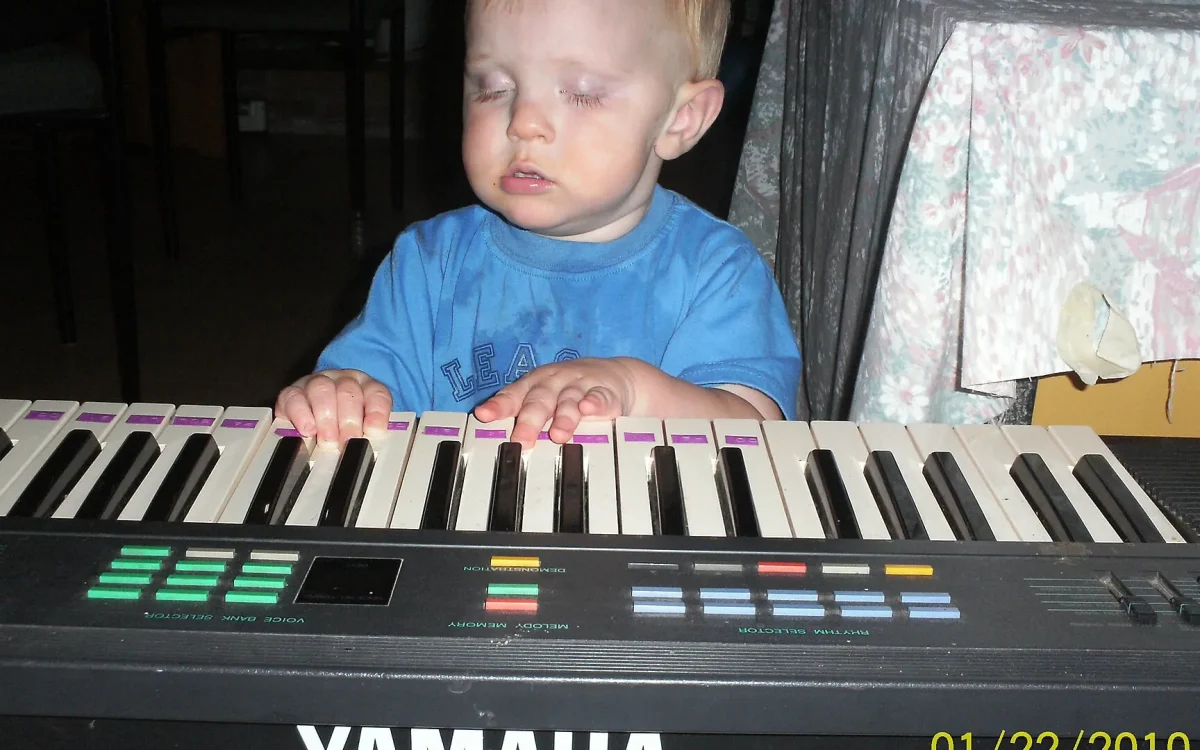
Young beginners have short attention spans, and that is fine. Five to ten minutes a day, with a parent nearby, is plenty. Split it into tiny tasks: one warm-up, one new thing, one favourite. Sit with your child, listen and praise effort. Many families find practice easiest straight after a snack or before a favourite activity.
| Minutes | Activity |
|---|---|
| 1–2 | Warm-up game or easy piece |
| 3–4 | This week’s new task, in small steps |
| 2–3 | A favourite piece or free play |
Ages 8 to 10: ten to twenty minutes
Children in this range can focus for longer and begin to practise more independently. Ten to twenty minutes most days works well. They can follow a short written plan from the teacher and tick off tasks. Parents can step back a little but should still check in, listen to a piece now and then, and show interest.
| Minutes | Activity |
|---|---|
| 2–3 | Warm-up: scale, finger exercise or rhythm |
| 6–8 | New piece or tricky section, slowly |
| 3–5 | Review of older pieces |
| 2–3 | Fun finish: favourite song or improvising |
Ages 11 to 13: twenty to thirty minutes
Older children can practise independently for twenty to thirty minutes, and more before performances or exams. They can learn to identify their own problems and fix them with slow, focused repetition. Encourage them to set weekly goals, such as playing a passage at a target tempo, and to record themselves occasionally to hear their progress.
Ages 14 and older: thirty minutes and up
Teenagers who are serious about music may practise thirty to sixty minutes a day, especially before exams. Help them plan sessions with technical work, repertoire and something creative, and encourage breaks to avoid strain. At this age, motivation comes from their own goals: bands, exams, performances, or simply music they love.
A weekly rhythm
Daily practice does not mean every day must look the same. A weekly rhythm keeps things fresh:
- Day after the lesson: go over new material while it is fresh.
- Midweek: focus on the hardest part.
- Late week: play pieces from start to finish.
- Before the lesson: a mini-performance for family.
- One rest day: rest is healthy and keeps practice from feeling endless.
Making practice consistent
Consistency is the hardest part for most families. A visible chart, such as our free practice timer and sticker chart, helps younger children see progress. Keeping the instrument out and ready, rather than in a case under the bed, removes a barrier to starting. For more strategies, read how to get kids to practise without the daily battle.
Quality over quantity
Ten focused minutes are worth more than thirty distracted ones. Encourage slow practice of tricky spots rather than playing pieces over and over from the start. Teach your child to stop at a mistake, play that small part slowly three times, then continue. This habit transforms progress at any age.
When to adjust
If practice regularly ends in tears or arguments, the routine may be too long or the material too hard. Shorten sessions, talk to the teacher and focus on enjoyment for a while. If your child is racing ahead and asking for more, let them practise longer and consider adding a group activity such as a choir or band.
Practice during holidays and busy weeks
School holidays, illness, exams and family trips all disrupt routines. Rather than abandoning practice completely, switch to a lighter “maintenance” version: five minutes a day of favourite pieces keeps fingers moving and the habit alive. Travel instruments such as a ukulele, a recorder or a keyboard app can come on holiday. When normal life resumes, build back up over a week rather than jumping straight to the full routine. Children who keep a thread of practice through busy periods return to lessons with far less frustration than those who stop entirely for weeks.
It also helps to talk with the teacher before a known busy period. Most teachers are happy to set lighter goals during exam weeks or holidays, and to plan a fresh piece or challenge for the return. A small, exciting new goal is one of the best ways to restart a routine after a break.
Frequently asked questions
Should practice be split into two short sessions?
For young children, two five-minute sessions can work better than one ten-minute session. Use whatever fits your family’s day.
Is a timer a good idea?
Yes for many children, as it makes practice finite. Others respond better to completing tasks rather than minutes. Try both.
What if my child wants to practise only the fun pieces?
Use fun pieces as a reward at the end. A balance of new material and favourites keeps practice productive and enjoyable.

Questions and notes