A Simple Homeschool Music Plan for the Whole Year
A practical year-long music plan for homeschooling families: weekly structure, termly themes, singing, rhythm, reading, composers and an instrument, with ideas for mixed ages.
In this guide
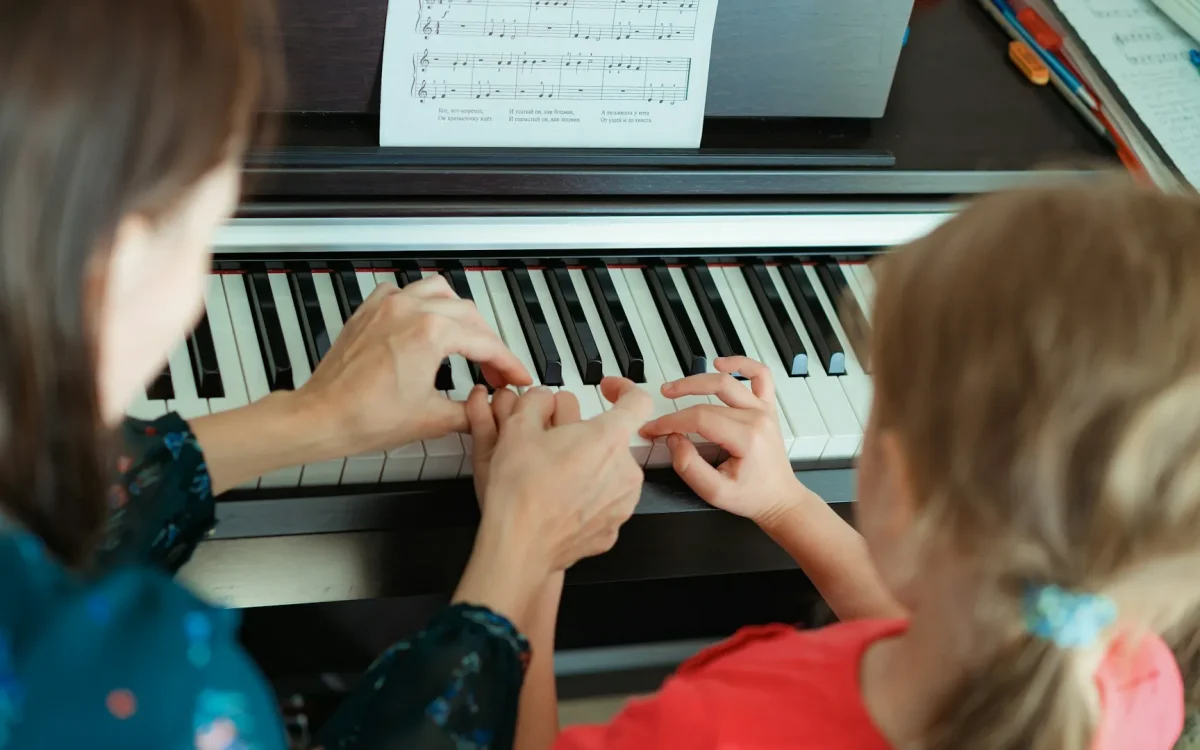
Music can feel like the hardest subject to teach at home, especially if you do not play an instrument yourself. It does not need to be. A simple, consistent plan with a little singing, rhythm, listening and reading each week gives children a rich musical education. This year-long plan works for families with children from about five to eleven and can be adapted for mixed ages.
The weekly structure
Aim for three short music times a week, each twenty to thirty minutes, plus daily instrument practice if a child takes lessons.
| Session | Focus | Example activities |
|---|---|---|
| Session 1 | Sing and move | Songs, rhythm games, echo clapping |
| Session 2 | Read and understand | Note values, staff reading, symbols, simple theory |
| Session 3 | Listen and create | Composer of the week, listening questions, composing a short tune |
Term 1: rhythm and beat
Begin with the foundations. Children learn to keep a steady beat, clap simple rhythms and understand long and short sounds. Read rhythm clapping games and note values for kids for activities.
- Weeks 1–4: steady beat through marching, clapping and body percussion.
- Weeks 5–8: quarter notes, eighth notes and rests with rhythm cards.
- Weeks 9–12: time signatures in two, three and four. See time signatures for kids.
- End of term: perform a rhythm piece with homemade instruments.
Term 2: pitch and reading
Next, add melody. Children learn high and low, sing simple scales and begin reading notes on the staff.
- Weeks 1–4: high and low, singing simple scales, solfège.
- Weeks 5–8: treble clef notes with memory tricks and games. See treble clef memory tricks.
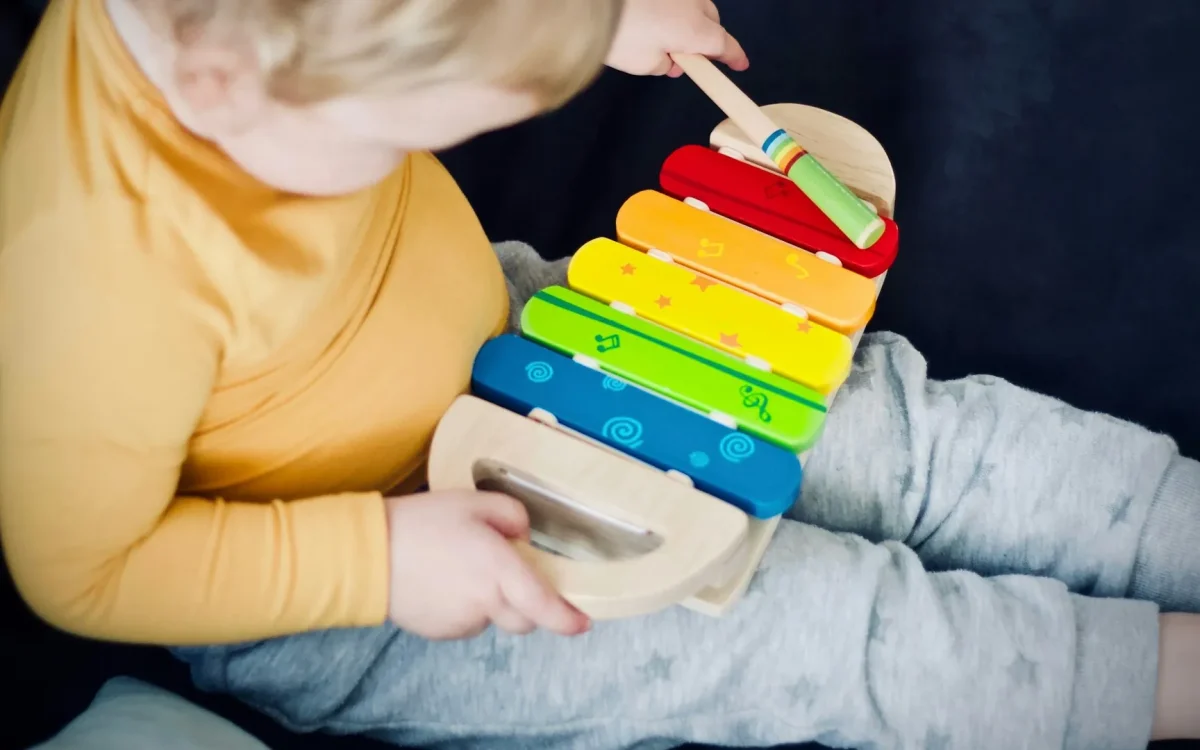
- Weeks 9–12: reading and playing simple tunes on a xylophone, recorder or keyboard.
- End of term: a small family concert of tunes they can read.
Term 3: composers, styles and creating
The final term widens horizons. Each week introduces a composer, style or instrument family, with listening and creative projects.
- Weeks 1–4: instrument families of the orchestra.
- Weeks 5–8: composers across history, from early music to film scores. The Music History Storyteller AI tells child-friendly stories.
- Weeks 9–12: music from around the world.
- End of term: each child composes and performs a short piece.
Adding an instrument
Many homeschooling families add one instrument per child. Recorder, keyboard and ukulele work well at home and with online or local lessons. A daily practice routine of ten to twenty minutes fits easily into a homeschool day. See the best first instrument for a child and practice routines by age.
Teaching mixed ages
Music is ideal for mixed-age groups. Younger children can play simple percussion while older ones read and play melodies. Older children can lead games, teach rhythms and help younger siblings, which reinforces their own learning. Adjust reading activities by level and keep singing and listening shared.
Resources you need
- A keyboard or xylophone for exploring pitch.
- Simple percussion: shakers, drums, rhythm sticks.
- Rhythm and note flashcards. See how to use music flashcards.
- Our free music tools, including a note reading trainer, ear trainer and metronome.
- A notebook for each child to record what they learned and composed.
Tracking progress
Keep a simple portfolio: recordings of performances, compositions, completed worksheets and a list of composers studied. Reviewing it at the end of each term shows children, and you, how much they have learned. If you want an outside benchmark, some families choose graded music exams; see graded music exams explained.
A sample week in practice
Here is what a typical week might look like in the second term, when children are learning to read notes. On Monday, the family starts with ten minutes of singing and echo games, then spends fifteen minutes on note hopscotch, using a staff drawn on the floor. On Wednesday, children practise reading three or four notes with flashcards, then play a short tune on the xylophone or keyboard using those notes, and the older child helps the younger one. On Friday, everyone listens to a short piece by the composer of the week, answers a few listening questions together, such as which instruments they heard and whether the music was fast or slow, and then each child composes a four-note tune and performs it for the family.
Alongside these three sessions, each child practises their instrument for ten to twenty minutes most days. The whole week takes little more than an hour of shared music time, yet over a year it builds solid skills in rhythm, reading, listening and creativity. Keep notes in a simple log, and adjust the pace to your children: some weeks you will race ahead, others you will repeat favourite activities. What matters is steady, joyful progress, not covering everything on the list.
Frequently asked questions
Can I teach music if I do not play an instrument?
Yes. Singing, rhythm, listening and basic reading can all be learned alongside your children. Add a teacher for instrument lessons if you wish.
How much time should music take each week?
About one to one and a half hours of music sessions, plus instrument practice, gives a solid music education.
Should homeschooled children join group music?
If possible, yes. Choirs, community bands and group classes add social and ensemble skills that are hard to replicate at home.
Questions and notes