Music Lessons for Adults: Where to Start
It is never too late to learn music. Choosing an instrument as an adult, finding lessons that fit a busy life, setting realistic goals, practising efficiently and overcoming common worries.

In this guide
Many adults wish they had learned an instrument as a child, or regret giving up lessons years ago. The good news is that it is never too late to start. Adults learn music successfully all the time, often making faster progress than children because they practise deliberately, understand concepts quickly and are motivated by their own goals. This guide helps adult beginners and returners choose an instrument, find lessons and make steady progress.
Advantages adults have
Adults bring real strengths to learning music. They understand why they want to learn, so motivation comes from within. They can grasp theory and concepts quickly, plan their practice and seek out resources. They often have clear musical tastes, which makes choosing repertoire easier. Many adults also have the means to buy a good instrument and pay for lessons.
Common worries
Adults often worry that they are too old, that their fingers are not flexible enough, that they will be embarrassed, or that they will not have time. These worries are understandable but usually unfounded. Physical skills improve with practice at any age. Teachers work with adult beginners regularly. Even short, regular practice sessions lead to real progress. Focus on enjoying the journey rather than comparing yourself to others.
Choosing an instrument
| Instrument | Why adults choose it | Consider |
|---|---|---|
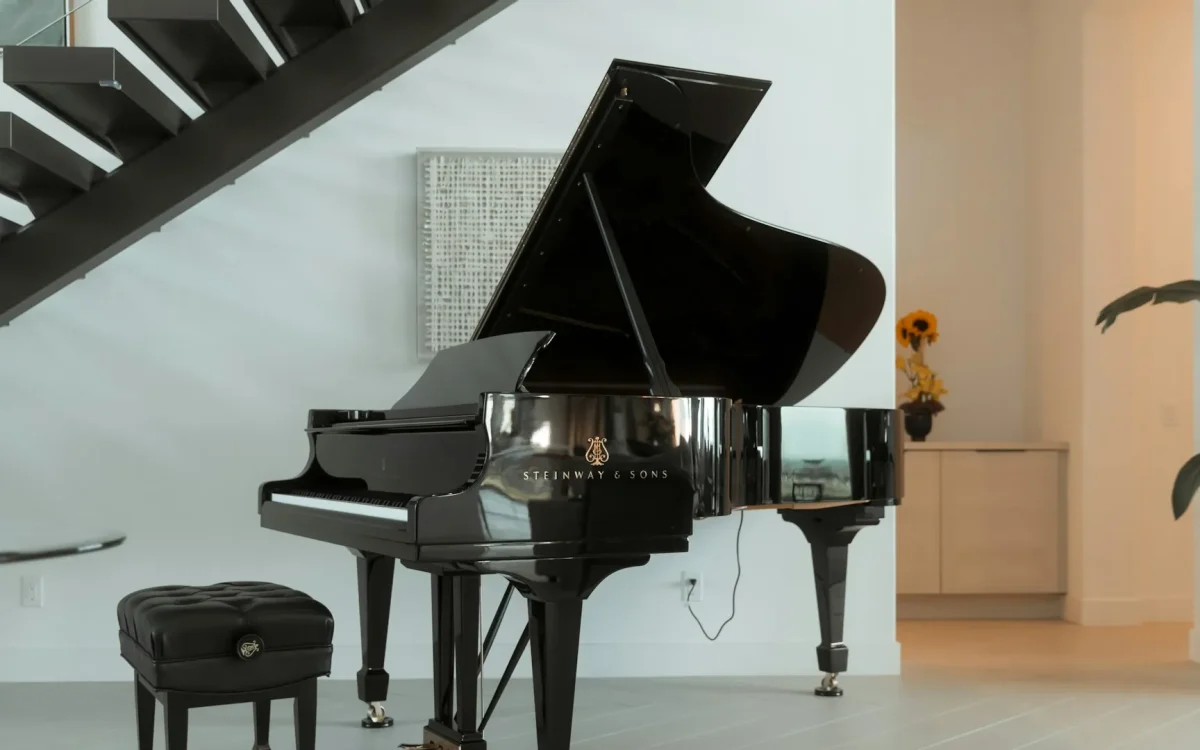
| Piano or keyboard | Visual, versatile, good for theory | Space and cost of a digital piano |
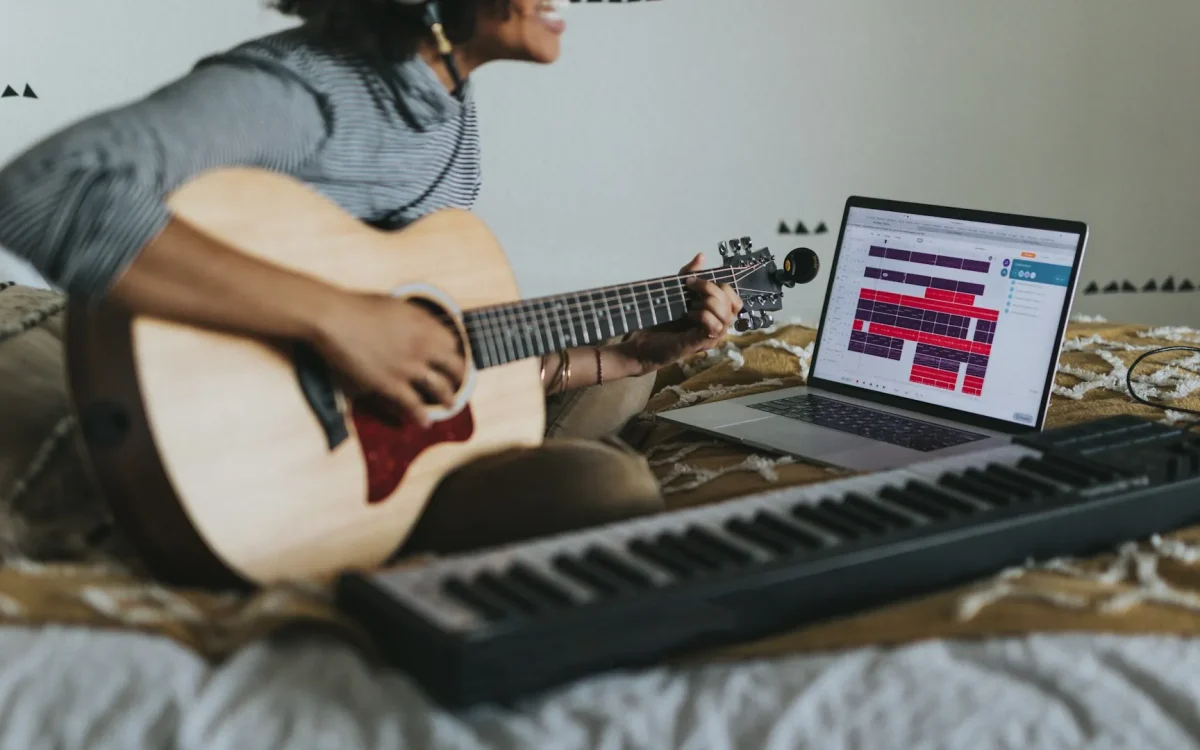
| Guitar | Portable, great for songs | Sore fingertips at first |
| Ukulele | Quick results, affordable | Limited range |
| Voice | No instrument needed, choirs welcome adults | Can feel exposed at first |
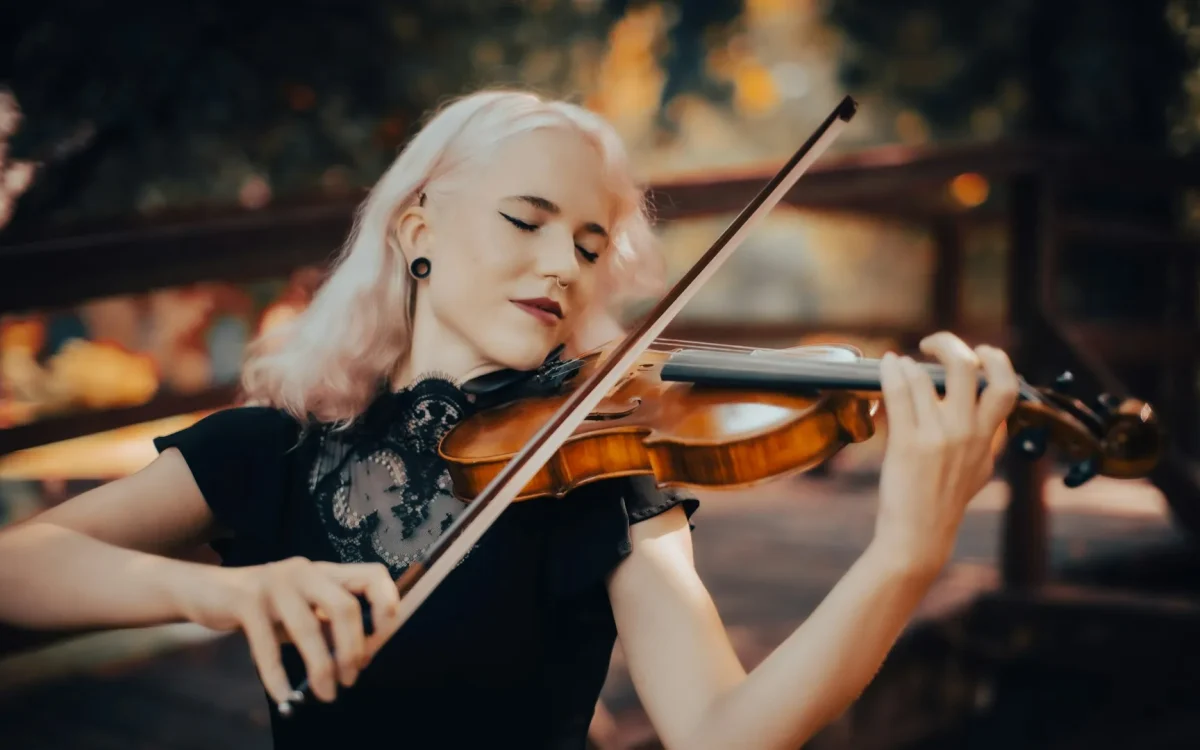
| Violin or cello | Beautiful sound, orchestral opportunities | Slower early progress |
| Wind instruments | Bands and ensembles | Noise and breath control |
The best instrument is the one whose music you love. See best keyboards for adult beginners and choosing a guitar.
Finding the right lessons
Look for a teacher who enjoys teaching adults and understands their goals. Private lessons offer flexibility and personal attention. Group classes for adults are sociable and affordable. Online lessons fit busy schedules and widen your choice of teachers. Community music centres, adult education colleges and local choirs and bands often have programmes for adults. See questions to ask a music teacher and group or private lessons.
Set realistic goals
Goals give direction and motivation. Think about what you want: to play a favourite piece, accompany singing, play in a band, sing in a choir, take an exam or simply relax. Set short-term goals (learn a scale this month) and long-term goals (play a particular piece in a year). Share them with your teacher. Review and adjust goals every few months.
Fitting practice into a busy life
Short, regular practice is more effective than occasional long sessions. Even fifteen to twenty minutes a day leads to steady progress. Link practice to a daily routine, such as before work or after dinner. Keep your instrument visible and ready to play. On busy days, five minutes is better than nothing. Our 15-minute practice plan works for any instrument with small changes.
Returning to an instrument
Many adults return to an instrument they played as children. Skills often come back faster than expected, though technique may need refreshing. Start with easier music than you once played, rebuild technique gradually, and be patient. Returners often enjoy music more as adults, playing for pleasure rather than obligation. A few lessons can help you rebuild efficiently.
Make music with others
Playing with others is one of the great joys of music. Many communities have adult beginner bands, community orchestras, choirs, folk sessions and ukulele groups. These offer motivation, friendship and performance opportunities, often with a welcoming attitude to beginners. See joining a choir.
A closer look: progress as an adult
Adults often progress quickly at first, then hit plateaus where improvement feels slow. This is normal. Keep practising steadily, vary your repertoire, and celebrate small achievements. Recording yourself every month or two shows progress that is hard to notice day to day. Many adults find that after a year of regular practice, they can play music they once thought impossible. See track progress in music lessons.
Putting it into practice
Choose an instrument whose music you love, find a teacher or course suited to adults, and set one short-term and one long-term goal. Practise for fifteen minutes a day, and look for a group to join. The Piano Practice Buddy AI, Guitar Lesson Coach AI and Singing Coach AI can help adult learners plan practice and stay motivated.
Your first month as an adult learner
In the first week, focus on getting comfortable: how to sit or stand, how to hold the instrument and how to produce a clean sound. In the second week, add a first scale or a few notes and a very simple tune. By the third week, you should be practising most days for fifteen to twenty minutes and starting a first real piece or song. In the fourth week, record yourself and compare with your first attempts. Many adults are surprised by how much they have learned in a month. Keep expectations realistic, enjoy small wins, and remember that consistency matters far more than talent.
Frequently asked questions
Am I too old to learn an instrument?
No. Adults of all ages learn instruments successfully.
What is the easiest instrument for adults?
Ukulele, keyboard and guitar are popular choices for quick early progress.
How much should an adult beginner practise?
Fifteen to thirty minutes a day is a good target for steady progress.
Questions and notes