The Best First Instrument for a Child, by Age and Personality
Piano, violin, guitar, ukulele, drums or recorder? How to choose a first instrument that suits your child's age, hands, personality and your home, with honest pros and cons for each.
In this guide
The first instrument shapes how a child feels about music. Choose well and practice becomes something they look forward to; choose badly and it becomes a nightly argument. The good news is that there is no single right answer. The best first instrument is the one that fits your child’s age, body, personality and interests, and that fits your home and budget too.
Start with your child, not the instrument
Before comparing instruments, think about your child:
- What music do they love? A child who sings along to pop songs may love ukulele or guitar; one who taps rhythms on every surface may be a drummer.
- How patient are they? Some instruments reward quickly; others take months to sound good.
- Do they enjoy playing alone or with others? Orchestral and band instruments open the door to group playing.
- How old are they, and how big are their hands? Size matters for guitar, violin and wind instruments.
Above all, ask them. Children practise more on an instrument they chose.
The main options compared
| Instrument | Typical starting age | Quick early success | Noise at home | Good for |
|---|---|---|---|---|
| Piano / keyboard | 5+ | High | Low with headphones (digital) | Reading music, theory, almost any style |
| Ukulele | 5+ | Very high | Low | Singing along, quick confidence |
| Violin | 4+ (small sizes) | Low at first | Medium | Patient children, orchestras |
| Recorder | 6+ | High | Medium | Reading music, school groups, cheap start |
| Guitar | 7–8+ (small sizes) | Medium | Low to medium | Popular music, songs with friends |
| Drums / percussion | 5+ (pads or small kits) | High | High (unless electronic) | Energetic children, rhythm |
| Voice | Any age | High | Medium | Confidence, choirs, ear training |
Piano: the all-round foundation
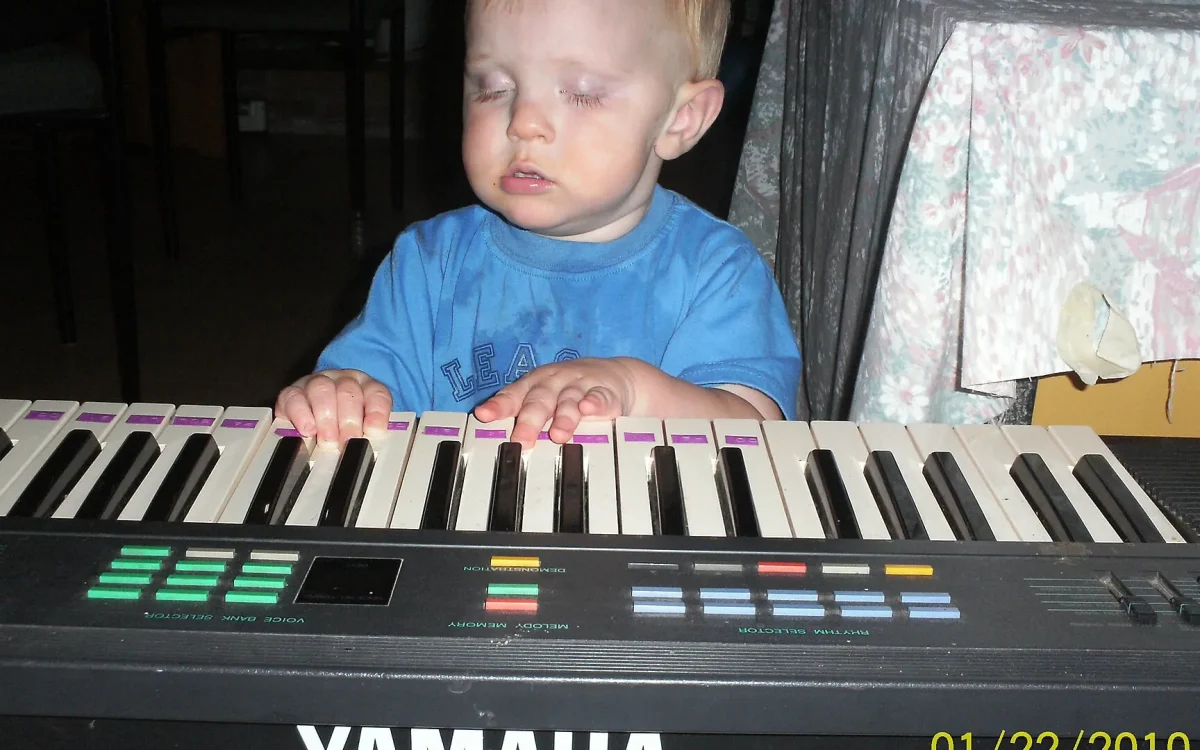
Piano is often recommended as a first instrument because the keyboard makes music visible: high notes on the right, low on the left, chords as shapes. Children can play recognisable tunes in the first weeks, and skills transfer to almost any other instrument later. A digital piano with weighted keys and headphones is practical for most homes. The challenge is coordination between two hands, which takes patience. See our 12-week piano roadmap and keyboard or piano for learning.
Ukulele: fastest smiles
Ukuleles are small, light, inexpensive and gentle on fingers, with nylon strings and simple chord shapes. A child can strum and sing a song within a week or two, which builds confidence fast. Ukulele is ideal for children who love singing, and it is a natural stepping stone to guitar. See the best ukuleles for kids.
Violin: patience rewarded
Violins come in fractional sizes for small children, and many traditions start them very young. The early months are harder: producing a clean sound with the bow takes time, and tuning by ear matters. Patient, detail-loving children often thrive, and the violin opens the door to orchestras and chamber music. A good teacher is essential. See beginner violins for kids.
Recorder: the classic school start
The recorder is cheap, portable and widely taught in schools. It teaches reading music, breath control and finger coordination, and many children move on to flute, clarinet or saxophone. A good-quality plastic recorder sounds far better than the cheapest models. See the best recorders for school.
Guitar: the popular choice
Guitar is the dream instrument for many children who love popular music. Smaller guitars (half or three-quarter size) make it possible from about seven or eight. Steel strings can hurt young fingertips, so nylon-string guitars are usually gentler at first. Expect a few weeks of sore fingers. See guitar for kids.
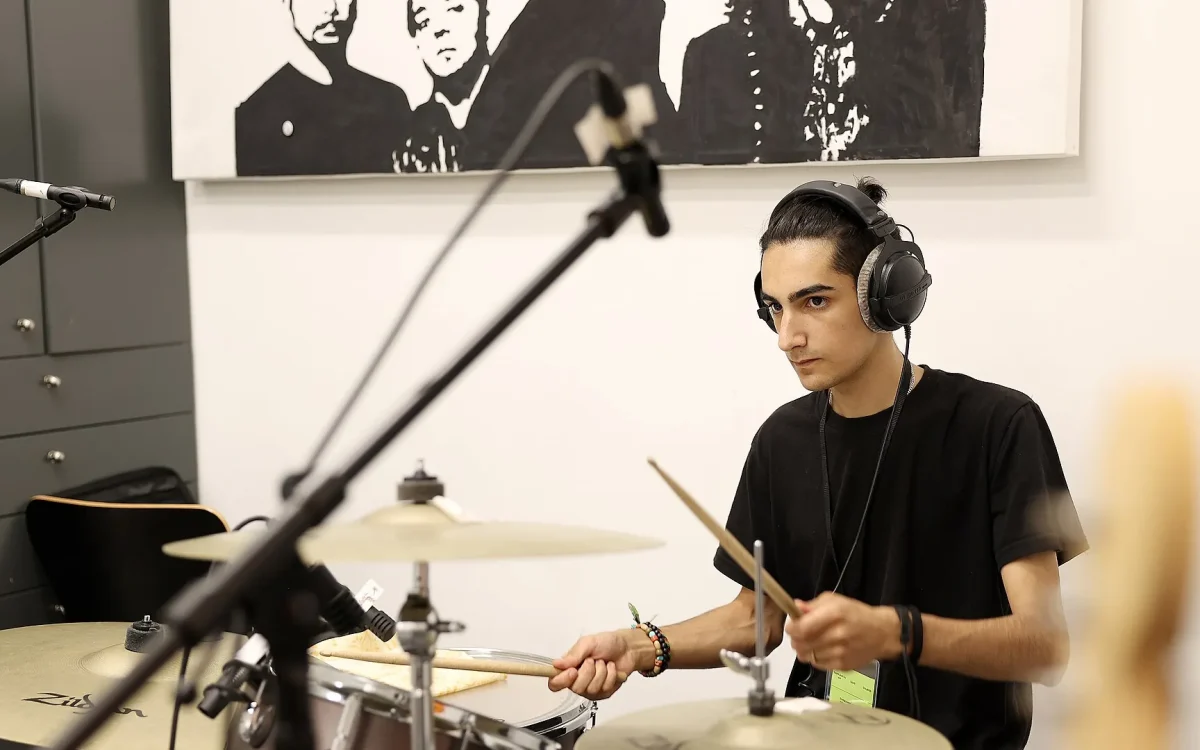
Drums: rhythm and energy
Some children are natural drummers: always tapping, always moving. Drums give an outlet for energy and build coordination and timing. Electronic kits with headphones solve the noise problem. A practice pad is a cheap way to start. See drum sets for kids.
Voice: the instrument they already have
Singing costs nothing, travels everywhere and builds musical ears faster than almost anything else. Choirs are sociable and confidence-building. Singing alongside any instrument makes a child a more complete musician. See singing lessons for kids.
Matching instruments to personalities
- The performer: voice, ukulele, guitar, drums.
- The quiet perfectionist: piano, violin, flute.
- The team player: band and orchestra instruments, choir.
- The busy mover: drums and percussion, with short, active lessons.
- The curious builder: piano or keyboard, which shows how music fits together.
These are tendencies, not rules. A shy child may come alive behind a drum kit.
Try before you buy
Trial lessons, school taster sessions, renting instruments and borrowing from friends all let a child try before you invest. Many families rent violins and wind instruments for the first year. If your child loses interest in one instrument, the musical skills they built transfer to the next.
Frequently asked questions
Is it better to start on piano and switch later?
It can be, because piano builds reading and theory skills. But a child who longs to play drums may practise far more on drums. Enthusiasm usually matters more than the “ideal” order.
What is the cheapest instrument to start with?
Voice, recorder and ukulele are the most affordable starts. Many instruments can also be rented.
Can a child learn two instruments at once?
Yes, if they enjoy it and have time. Many children learn piano alongside a band or orchestra instrument. Keep practice manageable so neither becomes a burden.
Questions and notes