Music Lessons for Children Who Find It Hard to Sit Still
Energetic, restless children can love music lessons when the lessons move with them. Instruments, teaching styles and practice ideas that turn high energy into musical progress.
In this guide
Some children can sit at a piano for half an hour, concentrating happily. Others wriggle after two minutes, tap their feet constantly and want to bang every drum in the room. If your child is one of the movers, you may wonder whether music lessons can work at all. They can, and often brilliantly, when the instrument, the teacher and the practice routine are chosen with their energy in mind.
This article offers practical, everyday ideas for active children. It is not medical advice. If you have concerns about attention or development, talk to your child’s doctor or school, and share any helpful strategies with the music teacher.
See energy as a strength
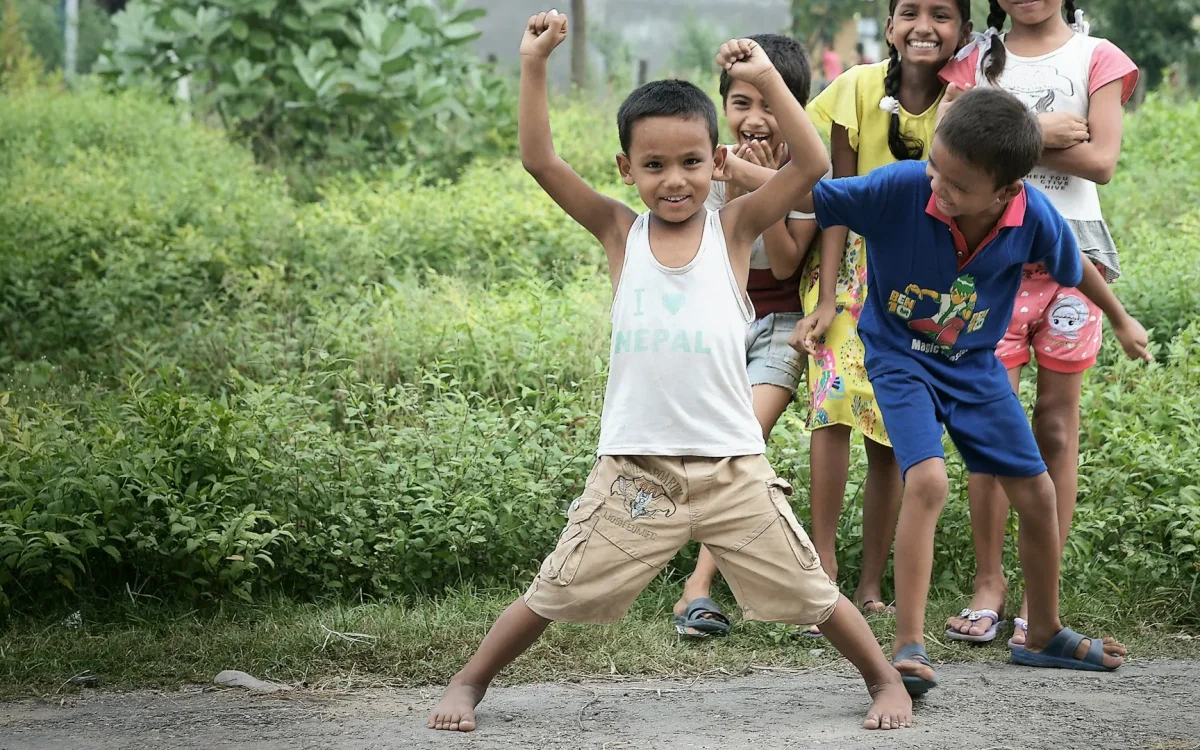
Restless children often have a strong natural sense of rhythm, enthusiasm for performing and a love of physical activity. Music is a physical art: drummers, guitarists, singers and percussionists all move as they play. The goal is not to make an active child sit still, but to channel that energy into music.
Instruments that suit active children
- Drums and percussion: the whole body is involved, and rhythm gives energy a clear purpose. Electronic kits keep noise manageable. See drum sets for kids.
- Voice: singing lessons often include movement, breathing exercises and acting out songs.
- Ukulele and guitar: children can stand, walk around and strum, and songs come quickly.
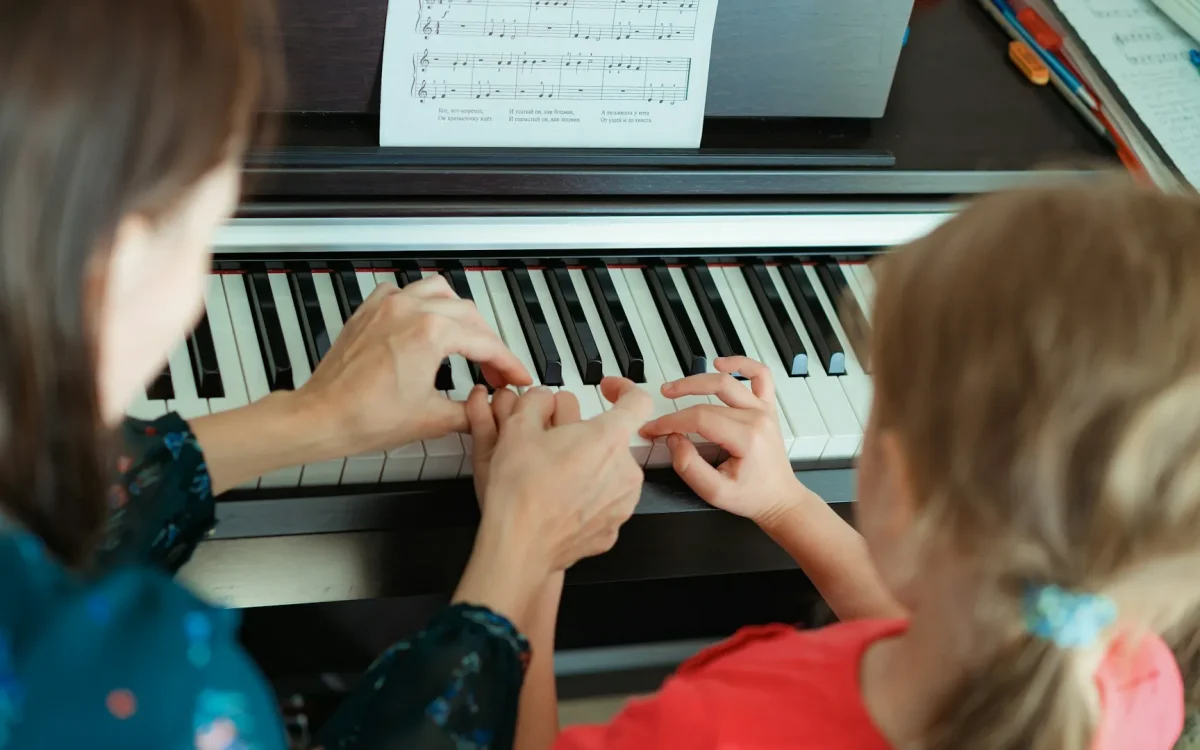
- Keyboard with movement breaks: piano can work too, with short activities and breaks built into lessons.
What to look for in a teacher
The right teacher matters more than the right instrument. Look for someone who uses varied, short activities, games and movement, and who sees restlessness as information rather than misbehaviour. Good teachers for active children switch activities every few minutes, use standing exercises, rhythm games and call-and-response, and give lots of quick praise. Ask how they would handle a child who struggles to stay seated, and watch a trial lesson. See how to choose a music teacher for your child.
Lesson formats that help
Shorter lessons, around twenty to thirty minutes, often suit active children better than long ones. Group classes can be a great fit too, because they include more variety, movement and social energy. Some children do best with two short lessons a week rather than one long one, if that is available. Compare options in group or private lessons.
Practice ideas that work
At home, keep practice short and broken into tiny tasks, with movement in between. A few ideas that families find helpful:
- Practice stations: set up two or three spots, such as instrument, rhythm cards and a listening corner, and move between them.
- Timer bursts: two minutes of focused playing, then thirty seconds of jumping or dancing. Our free practice timer helps.
- Stand-up practice: guitar, ukulele and singing can all be practised standing or walking.
- Rhythm games: copy-my-clap and kitchen band count as practice. See music games for kids.
- Performance moments: a mini-concert at the end gives a clear goal.
A sample ten-minute session
| Time | Activity |
|---|---|
| 0–2 min | Rhythm warm-up: clap and stamp patterns |
| 2–4 min | First task at the instrument |
| 4–5 min | Movement break: march to the metronome |
| 5–7 min | Second task |
| 7–8 min | Movement break |
| 8–10 min | Favourite song as a mini-concert |
Working with the teacher
Share what works at home and ask what works in lessons. Teachers appreciate knowing a child’s interests, triggers and motivators. Agree on realistic goals and a consistent approach, such as the same reward chart at home and in lessons. Progress may look different from a calmer child’s, but it is still progress.
Keep the joy
For active children, the biggest risk is that music becomes another place where they are told to sit still. Protect the fun: let them choose some music, play loudly sometimes, and celebrate energy. A child who loves music will keep coming back to it.
Celebrating different kinds of progress
Active children often show their progress in ways that do not appear on a practice chart. They might keep a steadier beat, remember a whole song after hearing it twice, or perform with more energy and confidence than their classmates. Notice and name these strengths. Saying “your rhythm was rock solid today” or “you remembered the whole song” builds a positive musical identity, which matters far more in the long run than the number of minutes spent sitting at an instrument.
Keep in mind that attention often improves as children grow and as music becomes more meaningful to them. A seven-year-old who manages five focused minutes may be able to practise for twenty at ten, especially if they are working towards something they care about, such as playing in a band with friends. Patience, short wins and a teacher who understands your child are the ingredients that turn a restless beginner into a committed young musician.
Frequently asked questions
Is drums always the best choice for an energetic child?
Not always. Some active children love singing or guitar. Let them try several instruments and watch what holds their attention.
Should my child wait until they are older to start lessons?
Not necessarily. Short, active lessons can work from an early age. If formal lessons are a struggle, group music classes are a good bridge.
How do I know if lessons are working?
Look for enjoyment, willingness to attend and small skill gains over a term, rather than long practice sessions.
Questions and notes