How to Start a Family Music Night
A weekly family music night turns practice into a reason to play, brings siblings and grandparents together and builds confidence. Here is how to set one up, with formats for every age and skill level.
In this guide
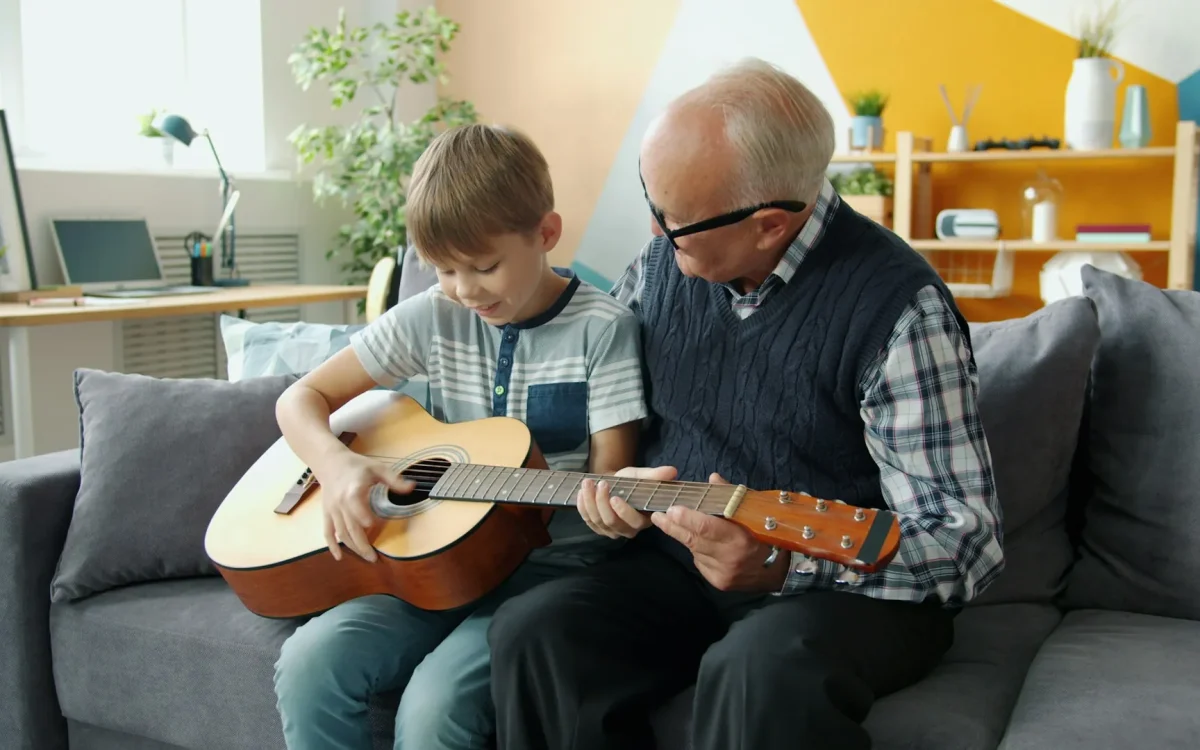
One of the best ways to keep children excited about music is to give their playing a purpose. A family music night does exactly that. Once a week, or once a month, the family gathers to play, sing, listen and celebrate music together. It costs nothing, needs no special skills and quickly becomes something everyone looks forward to.
Why it works
Children practise more when they know someone will hear them. A friendly, familiar audience makes performing feel safe, so music night builds confidence for recitals and school concerts. It also brings siblings, parents and grandparents together, shows children that music is part of family life, and gives non-playing family members a way to join in. Many families find it becomes a cherished tradition.
Setting it up
- Pick a regular time. Sunday afternoons and Friday evenings are popular. Consistency matters more than length.
- Keep it short. Thirty to forty-five minutes is plenty, especially with young children.
- Create a stage. A corner of the living room with a rug, a lamp and a music stand feels special.
- Make a programme. Children love writing a simple running order with names and pieces.
- Agree on audience manners. Listen quietly, clap at the end, and say one kind thing about each performance.
Formats to try
The mini-concert
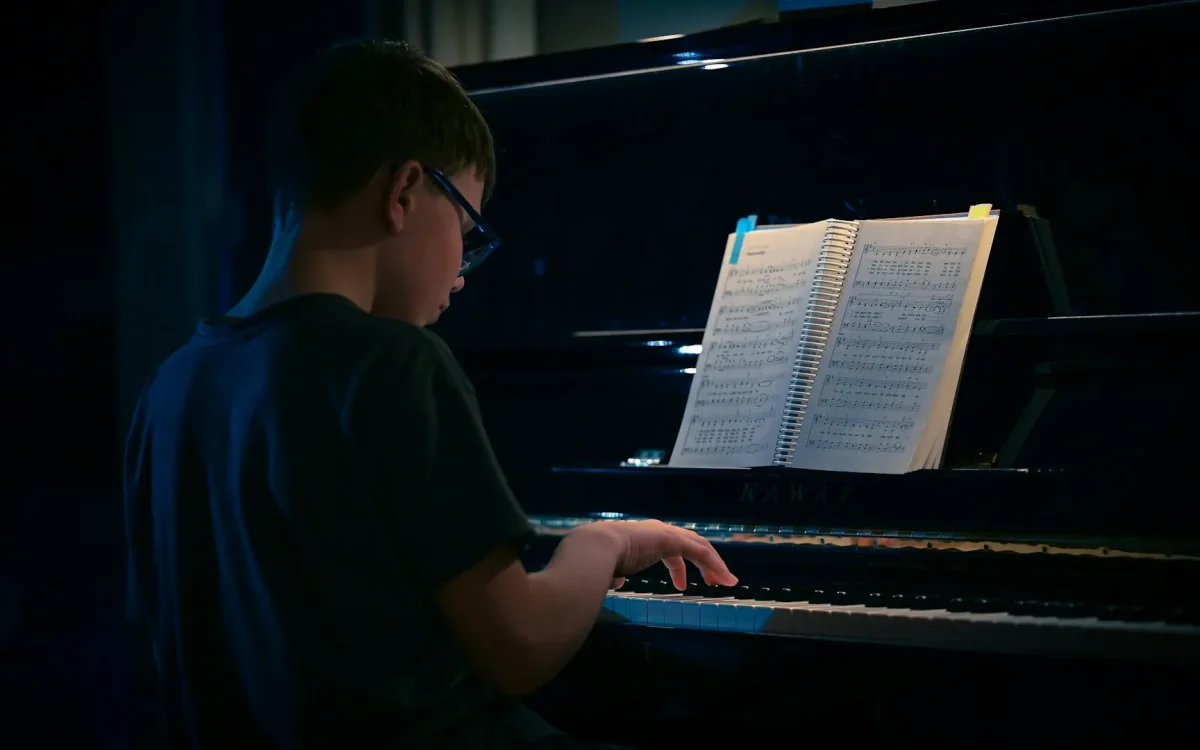
Each person who plays performs one or two pieces. Non-players introduce performers, hand out “tickets” or act as stage managers.
The singalong
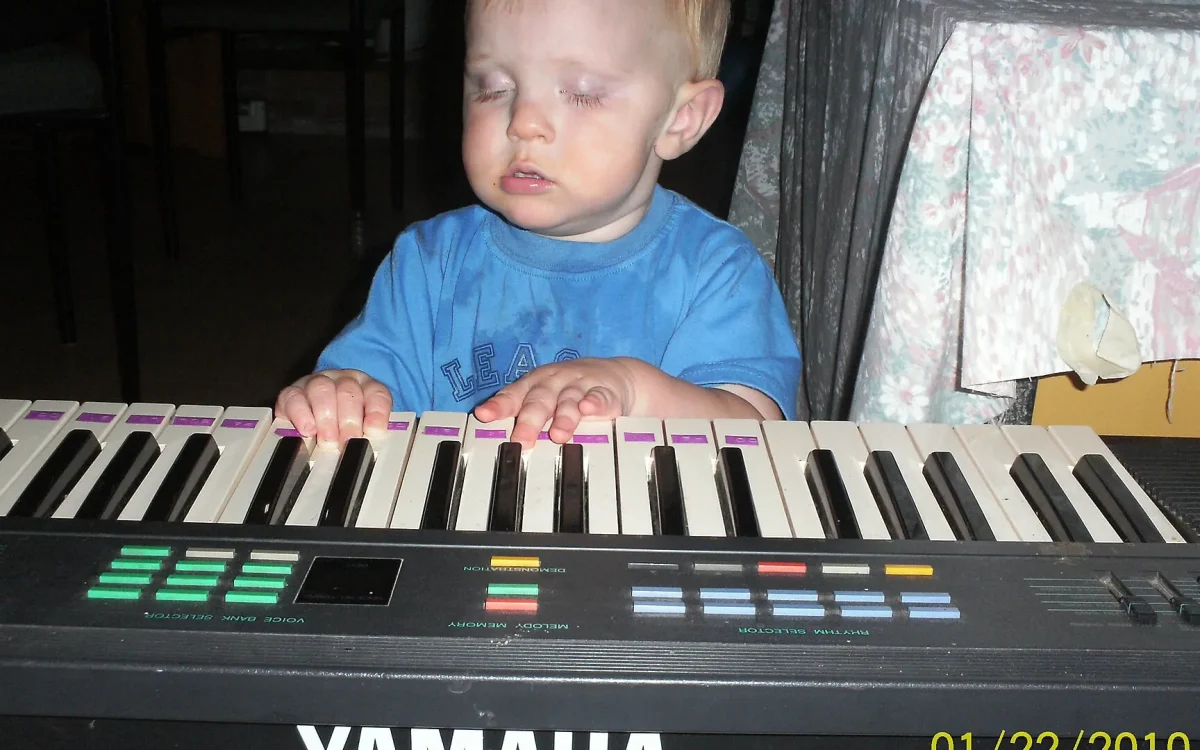
Choose a few songs everyone knows. One child plays chords on ukulele, guitar or keyboard while everyone sings. Simple songs with three or four chords work well.
The band night
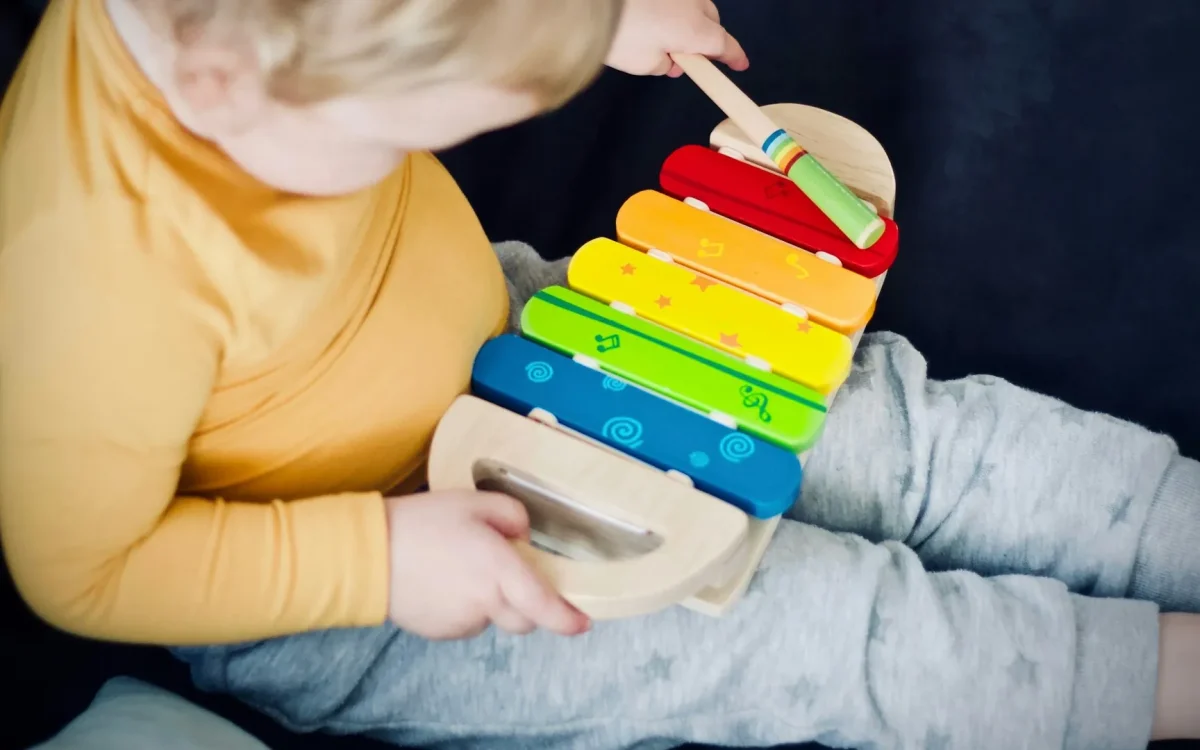
Turn the family into a band: one person on keyboard, one on shakers, one on a homemade drum, everyone singing. Play the same song several times, swapping instruments.
The listening club
Each person chooses one piece of music to share and explains why they like it. This builds listening skills and introduces new styles.
The composer’s challenge
Everyone creates a tiny piece, a rhythm, a tune or a song verse, and performs it. Record the results; they make wonderful family memories.
Roles for everyone
| Role | Who it suits |
|---|---|
| Performer | Children learning instruments or singing |
| Presenter | Confident talkers who like introducing acts |
| Rhythm section | Toddlers and non-players with shakers and drums |
| Stage manager | Organisers who set up stands and lights |
| Recording engineer | Teenagers or parents with a phone |
| Audience | Grandparents, friends, anyone who loves to listen |
Helping nervous performers
Some children freeze even in front of family. Let them play behind a screen, perform with a parent, or play a duet. Allow restarts without comment. Praise effort and specific moments, not perfection. Over time, the familiar setting builds courage. See helping your child through their first recital.
Connect it to lessons
Tell your child’s teacher about music night. Teachers often suggest pieces to prepare and appreciate the extra performance practice. Children who have a weekly “concert” tend to practise with more purpose. See how to get kids to practise.
Keep it fresh
- Choose a theme: film music, songs from a grandparent’s childhood, music from a different country.
- Invite a guest musician, such as a friend or relative who plays.
- Have a “request night” where the audience chooses songs in advance.
- Celebrate milestones with a special concert, such as finishing a book of pieces.
For theme ideas and activities, try the Kids Music Activity Planner AI.
A sample evening
To give you an idea of how a music night might run, here is a simple forty-minute plan that works for many families with young children. Begin with a warm-up singalong of two familiar songs, with everyone joining in on shakers and drums. Then move to the concert: each child who is learning an instrument plays one prepared piece, introduced by a sibling acting as presenter, and the audience offers one kind comment after each performance. Follow this with a game, such as copy-my-clap or guess-the-instrument, to give performers a break and involve everyone. Finish with a “grand finale” in which the whole family plays one song together, then a short chat about what everyone enjoyed most.
The details matter less than the atmosphere. Keep the mood relaxed and warm, avoid correcting mistakes during the evening, and make sure every child leaves feeling proud. Over time, you will discover your family’s favourite format, and the evening will grow naturally as children learn new pieces and skills. Many families find that music night becomes the highlight of the week, and that children practise with new purpose because they have a real audience waiting to hear them.
Frequently asked questions
What if only one child plays an instrument?
That is fine. Others can sing, play percussion, present or be the audience. Music night is about sharing, not about everyone performing.
How often should we hold it?
Weekly is ideal for building habits; monthly works if schedules are busy. Choose what you can keep up.
Should we record performances?
Yes, if your child is comfortable. Recordings show progress over months and make lovely keepsakes.
Questions and notes