Keyboard or Piano: What Should a Beginner Learn On?
Acoustic piano, digital piano or portable keyboard? The real differences for learners, what matters most (key action and size), budget options and when to upgrade.
In this guide
One of the first decisions for any new piano student is what to practise on. An acoustic piano, a digital piano or a portable keyboard all have their place, and the right choice depends on your goals, space, budget and household. Here is a clear comparison to help you decide.
The three options
Acoustic pianos
Acoustic pianos, uprights and grands, produce sound with real hammers and strings. They offer the richest sound and the most responsive touch, which is ideal for developing technique and expression. They are also heavy, need tuning once or twice a year, and are loud, which can be a problem in flats and shared homes.
Digital pianos
Digital pianos are designed to imitate acoustic pianos, with 88 weighted keys, piano sounds and pedals. They never need tuning, have headphone outputs for silent practice, and take less space. Good digital pianos are excellent for learners. See digital pianos for children.
Portable keyboards
Portable keyboards are lighter and cheaper, often with 61 keys, lighter unweighted action and many sounds and rhythms. They are great for young children starting out, for fun and for songwriting, but they limit technique development over time. See keyboards for kids.
What matters most for learning
| Feature | Why it matters | What to look for |
|---|---|---|
| Key action | Builds finger strength and control | Weighted or hammer-action keys |
| Number of keys | Most piano music uses a wide range | 88 ideal; 61 acceptable for early beginners |
| Touch sensitivity | Allows loud and soft playing | Essential on any instrument |
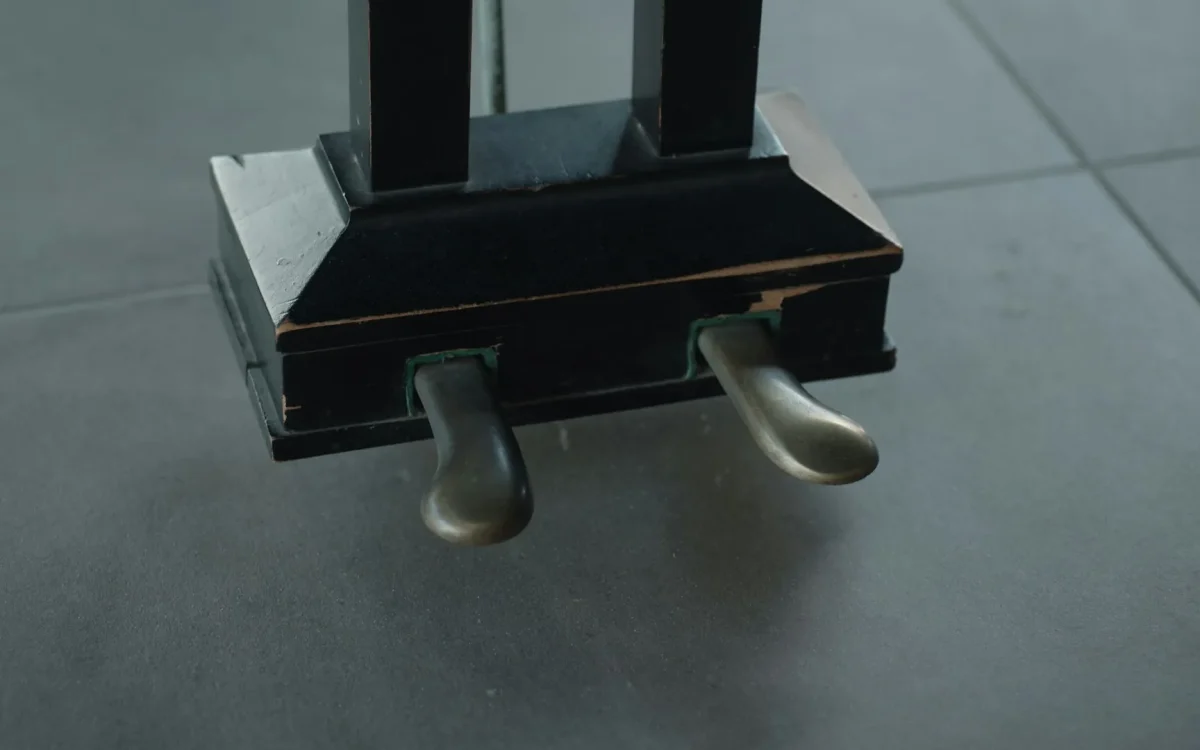
| Sustain pedal | Needed for many pieces | Pedal input; a proper piano-style pedal |
| Headphones | Silent practice at any hour | Headphone output (digital only) |
Our recommendation by situation
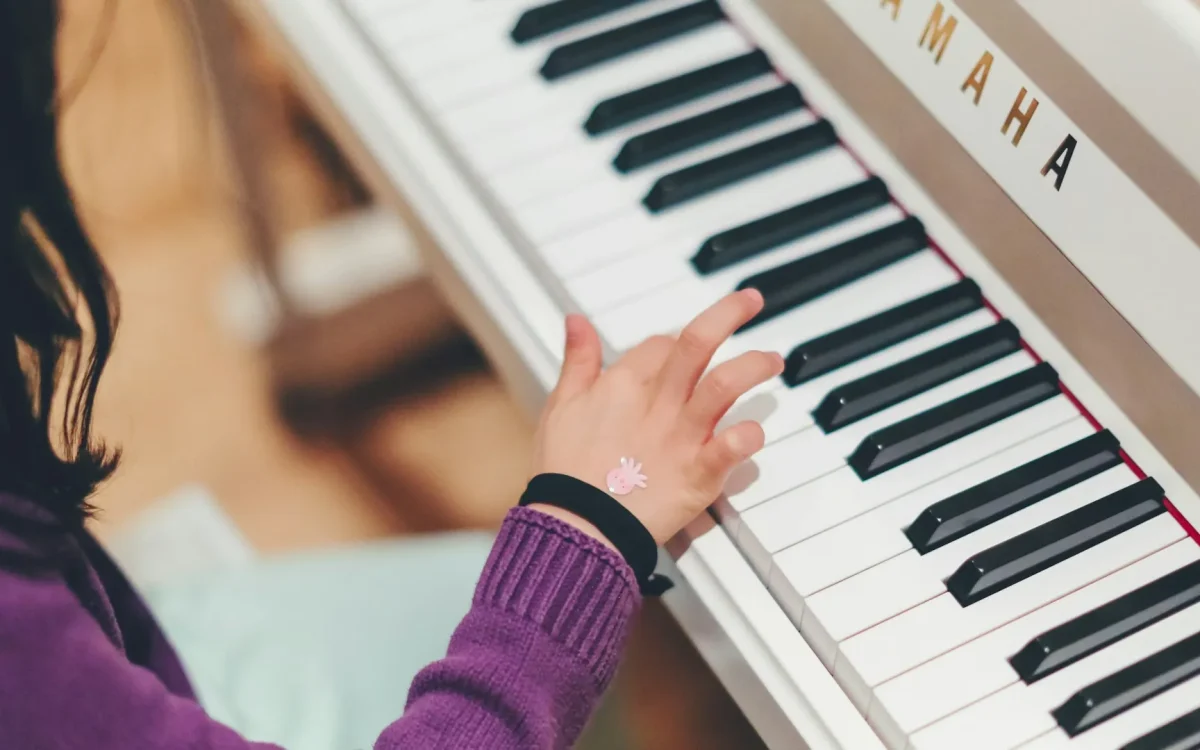
- Young child starting out (5–7): a touch-sensitive keyboard with full-size keys is fine for the first months; upgrade to a digital piano once lessons are established.
- Serious beginner, child or adult: a digital piano with 88 weighted keys and a pedal.
- Family with space and budget, and no noise concerns: a well-maintained acoustic piano, used or new.
- Flat or shared home: a digital piano with headphones.
- Songwriting and fun: a portable keyboard, alongside a better instrument for practice if lessons begin.
Buying a used acoustic piano
Used pianos can be excellent value, but old instruments can have hidden problems: cracked soundboards, worn hammers or pins that will not hold tuning. Have a piano technician inspect any used piano before buying. Factor in the cost of moving and tuning.
When to upgrade
If a child is still enthusiastic after six months to a year of lessons on a basic keyboard, it is usually time to move to a digital or acoustic piano. Signs include pieces that need more keys, a teacher noticing weak finger control, or frustration with the touch of the instrument.
Putting it into practice
Before buying, try instruments in a shop if you can, and bring your child. Play the same simple tune on several instruments and compare how the keys feel and how loud and soft you can play. Ask the teacher for advice; many have a list of instruments that work well for their students. If budget is tight, consider renting an instrument for the first months or buying a good used digital piano, which can be resold if lessons do not continue. Whatever you choose, place it where it is easy to sit down and play, in a room the family uses, rather than in a cold spare room. Instruments that are visible and inviting get played far more.
A closer look at key action
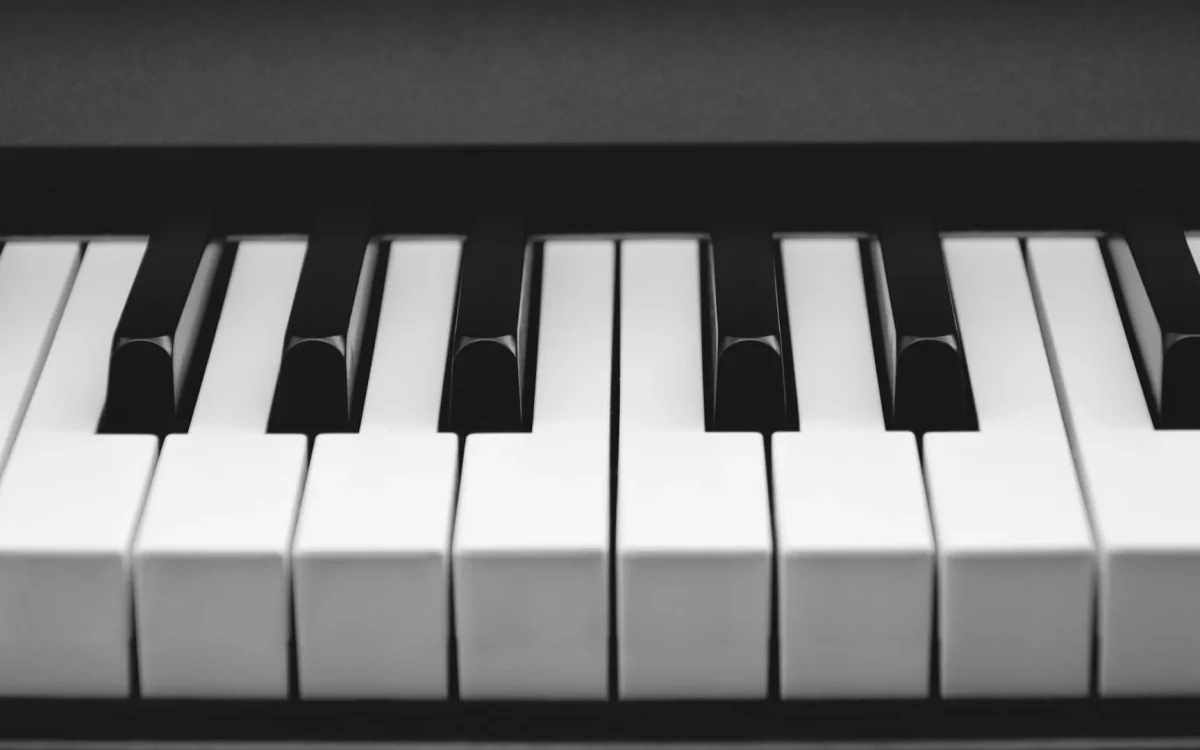
Key action describes how the keys feel and respond when you press them, and it is the single most important difference between instruments for learning. On an acoustic piano, each key moves a hammer that strikes a string, so the keys have weight and resistance, and that weight is heavier in the bass and lighter in the treble. Digital pianos imitate this with weighted or hammer-action keys; better models also include graded action and sometimes an escapement feel that mimics a grand piano. Portable keyboards usually have light, spring-loaded keys with no weight at all.
Why does this matter? Playing on weighted keys builds finger strength, control and the ability to play softly and loudly with precision. Students who learn only on light keys often find acoustic pianos heavy and hard to control when they move on, especially when playing for exams or recitals on unfamiliar instruments. For the first few months, the difference is small. Once a learner is committed, a weighted-key instrument becomes far more important than extra sounds, rhythms or features. If you are comparing two instruments at similar prices, choose the one with the better key action every time.
Sound quality matters too, but most modern digital pianos sound pleasant enough for practice. Speakers, headphones and the room all affect what you hear, so try instruments through good headphones as well as through their speakers before deciding.
Frequently asked questions
Will learning on a keyboard harm technique?
Not in the early months, but light keys do not build finger strength. Upgrade once lessons are established.
Do digital pianos need maintenance?
Very little: keep them clean and away from damp and direct sun. They never need tuning.
Is a stage piano the same as a digital piano?
Stage pianos are portable digital pianos without built-in speakers or stands. They need amplification or headphones.
Questions and notes