Best Recorders for School and Beginners
The recorder is many children's first instrument at school. Baroque versus German fingering, plastic versus wood, soprano versus alto, and six reliable recorders that play in tune and are easy to care for.
In this guide
We may earn a commission when you buy through links on this page, at no extra cost to you. How we choose instruments.
For many children, the recorder is their first experience of playing a real instrument. It is affordable, portable, quick to make a sound on and an excellent introduction to reading music, breath control and finger coordination. But not all recorders are equal. Cheap, poorly made recorders can be out of tune and hard to play, which makes learning frustrating. A good school recorder costs little more and makes a real difference. This guide explains what to look for.
What to look for in a recorder
Baroque or German fingering?
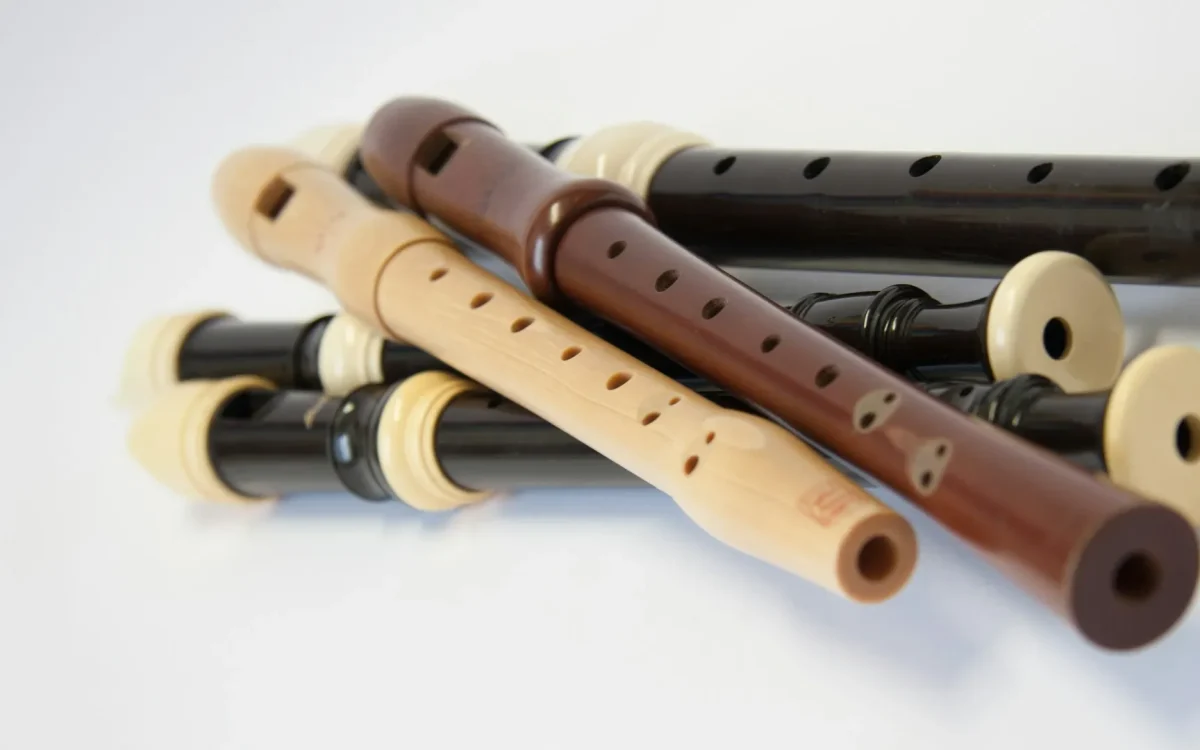
Recorders come with two fingering systems. Baroque (also called English) fingering is the standard used by most teachers and gives better tuning across the range. German fingering makes one note (F on a soprano) easier, but other notes become less in tune. Check which system your child’s school uses; baroque is the most common choice. Baroque recorders are often marked with a “B”.
Plastic or wood?
Plastic (resin) recorders are durable, affordable, easy to clean and stay in tune well. They are the best choice for school and beginners. Wooden recorders have a warmer tone but need more care, such as gradual playing-in and protection from moisture. They suit more serious players.
Which size?
| Recorder | Lowest note | Typical use |
|---|---|---|
| Soprano (descant) | C | School and beginners |
| Alto (treble) | F | Older students, ensembles |
| Tenor | C (lower) | Ensembles, larger hands |
| Bass | F (lower) | Advanced ensembles |
Most children start on the soprano (called the descant in the UK).
Build quality
A good recorder has a clear, steady tone, plays in tune, and has well-shaped finger holes and a smooth windway. Multi-piece recorders (two or three parts) let you adjust the fit and are easier to clean.
Six recorders worth a look
These picks are based on long-standing use in schools, teacher recommendations and published specifications. Always check whether your child’s school specifies a particular model or fingering.
Best all-round school recorder
Yamaha YRS-24B
Soprano · baroque fingering · ABS resin · three-piece · thumb rest
The YRS-24B is one of the most widely recommended school recorders. It plays in tune, has a clear tone, is durable and easy to clean, and costs very little. Many teachers consider it the benchmark beginner recorder.
Suits: almost every child starting recorder at school.
Skip if: your school uses German fingering.
Check the price on Amazon Price band: $
Best German-fingering option
Yamaha YRS-23
Soprano · German fingering · ABS resin · one-piece body with head joint
If your school or teacher uses German fingering, the YRS-23 is a reliable, affordable choice with the same dependable build quality as Yamaha’s other school recorders.
Suits: schools and teachers using German fingering.
Skip if: you need baroque fingering, the more common system.
Check the price on Amazon Price band: $
Best tone in plastic
Aulos 303A
Soprano · baroque fingering · ABS resin · three-piece
Aulos recorders are known for their warm tone and good tuning. The 303A is a popular choice with music teachers who want a slightly richer sound than basic school recorders.
Suits: beginners and keen young players.
Skip if: you prefer a wooden instrument.
Check the price on Amazon Price band: $
Best alto for progressing players
Yamaha YRA-28B
Alto (treble) · baroque fingering · ABS resin · three-piece
Once a child is confident on soprano, the alto opens up a large repertoire of recorder music, including much Baroque music. The YRA-28B is a well-regarded plastic alto that plays in tune.
Suits: older children and recorder ensemble players.
Skip if: your child is a complete beginner with small hands.
Check the price on Amazon Price band: $$
Best wooden school recorder
Moeck Flauto Rondo
Soprano · baroque fingering · maple wood · two-piece
For children who love the recorder and want a warmer, wooden sound, Moeck’s Flauto Rondo is a respected school-level wooden recorder. It needs gentle playing-in and more care than plastic.
Suits: committed young players and recorder enthusiasts.
Skip if: the recorder will be carried in a school bag every day.
Check the price on Amazon Price band: $$
Best wooden starter for young children
Mollenhauer Prima
Soprano · wooden body · designed for young learners
Mollenhauer’s Prima range is designed for young learners who want a wooden instrument. It offers a gentle, warm sound and is a lovely choice for children who are serious about recorder.
Suits: young players moving beyond their first plastic recorder.
Skip if: you need the most durable, low-maintenance option.
Check the price on Amazon Price band: $$
Caring for a recorder
- Warm the head joint in your hands before playing to reduce condensation.
- After playing, separate the joints and let them dry.
- Wash plastic recorders occasionally in warm, soapy water (not hot), then rinse and dry.
- Use cork grease on joints if they become stiff.
- Keep the recorder in its case to protect the delicate windway.
A closer look: getting a good sound
Recorders need very gentle breath. Many children blow far too hard, producing shrill, squeaky notes. Teach children to breathe as if gently fogging a window, and to start notes with a soft “too” or “doo” with the tongue. Covering holes completely with the pads of the fingers, not the tips, prevents squeaks. With these basics, a good recorder sounds sweet and pleasant. See note values for kids and treble clef notes for reading support.
Putting it into practice
Check which fingering your child’s school uses, then choose a reliable plastic soprano. Show your child how to breathe gently and cover holes fully, and practise short tunes together for a few minutes a day. Our free note reading trainer builds reading skills, and the Kids Music Activity Planner AI can suggest recorder games.
Frequently asked questions
Should my child use baroque or German fingering?
Follow the school’s choice. Baroque fingering is the most common and plays better in tune.
Is a wooden recorder better for beginners?
Plastic recorders are usually better for beginners: durable, in tune and easy to clean.
Why does my child’s recorder squeak?
Usually from blowing too hard or not covering holes fully. Gentle breath solves most squeaks.
Questions and notes