Best Violins for Kids: Sizes, Setup and Student Outfits
Choosing a child's first violin is about size, setup and sound, not just price. How violin sizes work, what an outfit includes, renting versus buying, and six well-regarded student violins.
In this guide
We may earn a commission when you buy through links on this page, at no extra cost to you. How we choose instruments.
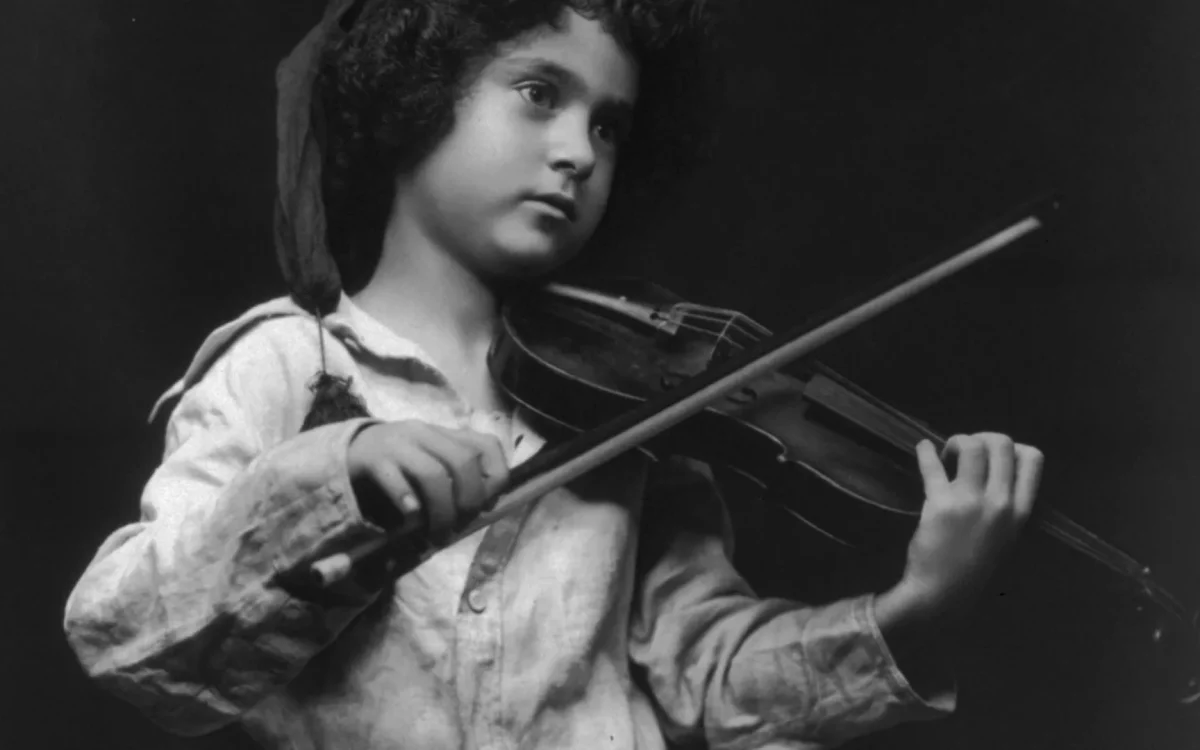
The violin is a beautiful instrument for children, and many start as young as four or five. But a child’s first violin needs care in choosing. It must be the right size, properly set up and easy to tune, or learning becomes frustrating for the child, the parents and the teacher. Very cheap violins are a common trap: they often have poor strings, pegs that slip and bridges that are badly fitted. This guide explains what matters and lists six well-regarded student violins.
Violin sizes explained
Violins come in fractional sizes for children. The correct size depends mainly on arm length, not age. A teacher or violin shop can measure your child, but the table below gives typical guidance.
| Size | Typical age | Approximate arm length (neck to palm) |
|---|---|---|
| 1/16 | 3–4 | Under 38 cm |
| 1/10 | 4–5 | 38–42 cm |
| 1/8 | 5–6 | 42–46 cm |
| 1/4 | 6–7 | 46–50 cm |
| 1/2 | 7–9 | 50–55 cm |
| 3/4 | 9–11 | 55–59 cm |
| 4/4 (full) | 11+ and adults | Over 59 cm |
To check the fit, the child holds the violin under the chin with the left arm extended; they should be able to curl their fingers comfortably around the scroll. Never buy a larger size to grow into; an oversized violin harms posture and makes playing much harder.
What to look for
Setup matters most
A violin’s setup includes the bridge, soundpost, nut, pegs and strings. A well-set-up violin is easier to play and tune and sounds better. Buying from a violin shop or a reputable music store that checks and adjusts instruments before sale makes a big difference.
The outfit
Student violins are usually sold as outfits including a bow, case and rosin. Check the bow’s quality (hair, straightness) and whether the case is protective and comfortable to carry. A shoulder rest is often needed separately.
Fine tuners
Fine tuners on the tailpiece make small tuning adjustments easy, which helps young students and parents. Most student violins have fine tuners on all four strings.
Strings
Student outfits sometimes come with basic steel strings. Upgrading to synthetic-core strings often improves tone noticeably. Ask your teacher for advice.
Six student violins worth a look
These picks are based on reputations among teachers, published specifications and suitability for beginners. Availability and models vary by country; always try to buy from a seller who sets up instruments.
Best budget starter outfit
Stentor Student I
Solid carved top · fine tuners · bow, case and rosin included · all fractional sizes
Stentor’s Student I is one of the most widely used beginner violins in schools. It is durable, available in every size and offers dependable basic quality at a modest price.
Suits: young beginners and school programmes.
Skip if: your child is progressing quickly and needs a better tone.
Check the price on Amazon Price band: $
Best value step up
Stentor Student II
Solid carved spruce top · solid maple back · ebony fittings · outfit with bow and case
The Student II improves on the Student I with better fittings and tone, while remaining affordable. Many teachers recommend it as a first violin that will serve well for the early years.
Suits: beginners whose families want reliable quality.
Skip if: you need the absolute lowest price.
Check the price on Amazon Price band: $
Best consistency
Yamaha V3SKA
Solid spruce top · maple back and sides · ebony fittings · outfit with case and bow
Yamaha’s student violins are known for consistent quality control and good setup from the factory. The V3SKA is a dependable choice that sounds clear and stays in tune.
Suits: beginners who want a reliable, well-made instrument.
Skip if: your budget is very limited.
Check the price on Amazon Price band: $$
Best tone for the price
Eastman VL80 (Samuel Eastman)
Hand-carved spruce top · maple back · ebony fittings · outfit options
Eastman’s student violins have a strong reputation with teachers for their tone and craftsmanship. The VL80 offers a warmer sound than many entry-level outfits.
Suits: committed beginners and young students who practise regularly.
Skip if: your child is just trying the violin for a term.
Check the price on Amazon Price band: $$
Budget option to have checked
Cremona SV-130
Spruce top · maple back · fine tuners · outfit with bow and case
Cremona’s SV series is a popular budget choice. As with all inexpensive violins, have it checked and adjusted by a violin technician or teacher before your child starts.
Suits: families on a tight budget who can arrange a setup check.
Skip if: you cannot have the violin checked before use.
Check the price on Amazon Price band: $
Best for growing children
Rental from a local violin shop
Professionally set up · size exchanges as your child grows · often rent-to-buy
Renting from a violin shop is often the smartest option for young children, who may need several sizes in a few years. Rentals are properly set up, and many shops credit rental payments towards a purchase later.
Suits: children under ten and families unsure about long-term commitment.
Skip if: your child is at full size and committed.
Check the price on Amazon Price band: $
Rent or buy?
Children grow through several violin sizes, sometimes changing every year or two. Renting avoids buying multiple instruments and usually guarantees a good setup. Buying makes sense for full-size players or when a good second-hand instrument is available. See making music lessons affordable.
Accessories you need
- Shoulder rest sized for the violin.
- Rosin for the bow.
- A clip-on tuner; see metronomes and tuners.
- A music stand; see best music stands.
- A soft cloth to wipe rosin dust after playing.
A closer look: the first weeks
Young violinists usually spend the first weeks learning posture, holding the bow and playing open strings, often with simple rhythmic songs. Progress can feel slow, and the sound will be scratchy at first; this is normal. Short, daily practice with a parent’s support makes a huge difference. Many teachers place tapes on the fingerboard to guide finger placement. See how to get kids to practise.
Putting it into practice
Ask your child’s teacher to confirm the size, then visit a violin shop to try or rent a set-up instrument. Add a shoulder rest, tuner and stand. Set up a short daily practice routine with our practice timer and sticker chart. The Kids Music Activity Planner AI can suggest fun practice games for young string players.
Frequently asked questions
What age can a child start violin?
Many start at four to six with a small violin and a teacher experienced with young children.
How do I know which violin size my child needs?
Ask the teacher or a violin shop to measure arm length and check the fit.
Are very cheap violins a good idea?
Often not. Poor setup makes playing hard. Have any budget violin checked and adjusted.
Questions and notes