Music History Storyteller AI
Ask the Music History Storyteller about a composer, instrument or period of music, and it tells an engaging, age-appropriate story with listening suggestions and discussion questions.
WeLearnMusic guides are written and edited by our editorial team for self-taught and intermediate musicians. Every guide is built to be used with an instrument in your hands: clear steps, realistic tempos, and a next step at the end.
122 guides
Ask the Music History Storyteller about a composer, instrument or period of music, and it tells an engaging, age-appropriate story with listening suggestions and discussion questions.
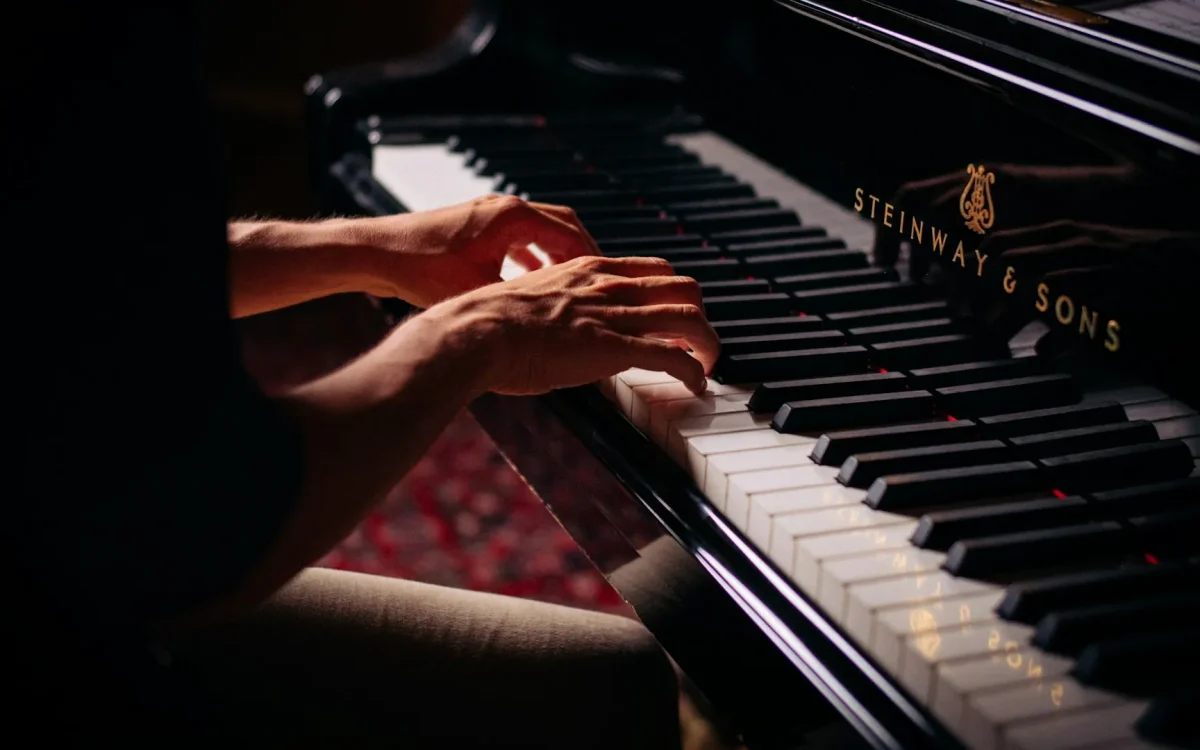
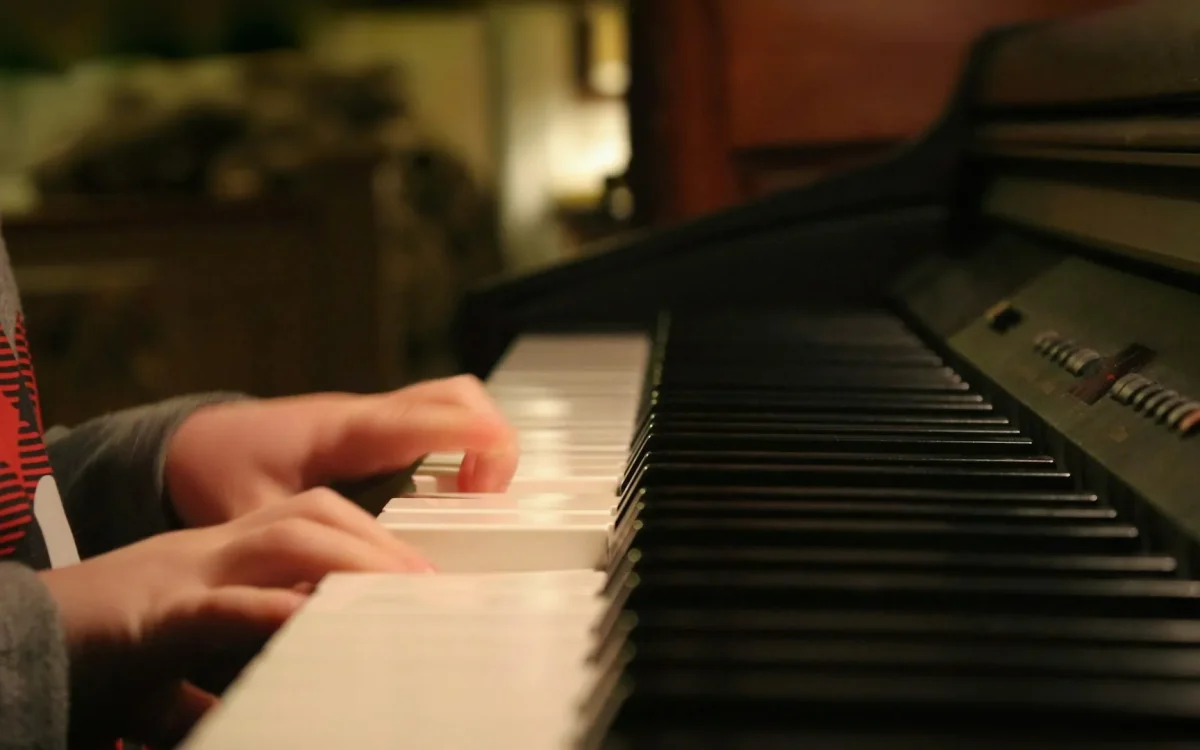
A clear twelve-week plan for complete piano beginners of any age: what to learn each week, how long to practise, the skills that matter most and how to know you…
Teaching music is rewarding but demanding: long hours, irregular income, physical strain and emotional energy. Warning signs of burnout and practical strategies for schedules, boundaries, voice care and joy in…
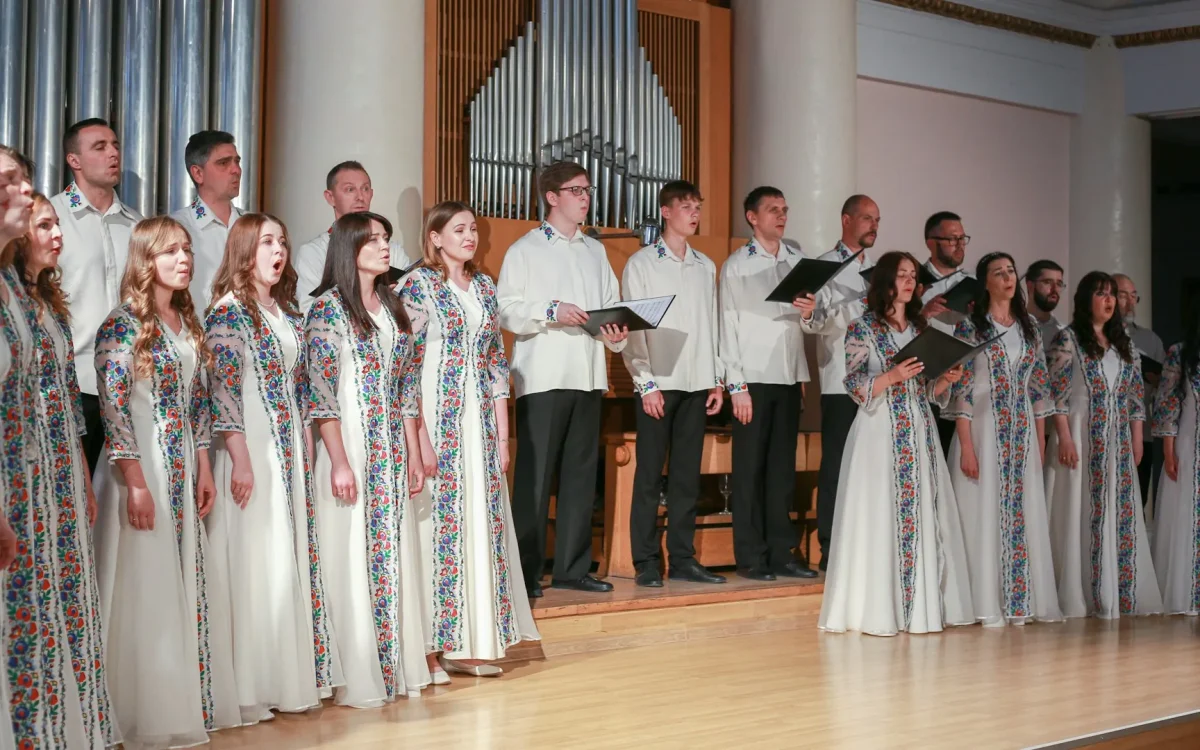
Choirs are one of the best ways to learn to sing, make friends and perform. Types of choir, auditions, what happens at rehearsals, reading music, finding your voice part and…
Recitals motivate students and showcase your studio. A step-by-step guide: choosing a date and venue, planning the programme, preparing students, rehearsals, running the event and making it a celebration.
Music theory does not have to be dry. Fun games for note names, rhythm, the keyboard, symbols and listening, for home, lessons or the classroom, with ideas for different ages…
Anyone can learn to sing better. A step-by-step roadmap from breathing and posture to pitch, range, tone and first songs, with a daily routine and realistic expectations for beginners.
Energetic, restless children can love music lessons when the lessons move with them. Instruments, teaching styles and practice ideas that turn high energy into musical progress.
A good warm-up focuses attention, prepares bodies and voices, and sets a positive tone. Quick warm-up activities for rhythm, singing, listening, movement and instruments, for groups and individual lessons.
Online lessons can be as effective as in-person teaching with the right setup. Camera angles, audio settings, internet, lighting, platforms, sharing materials, engaging students and handling delay.
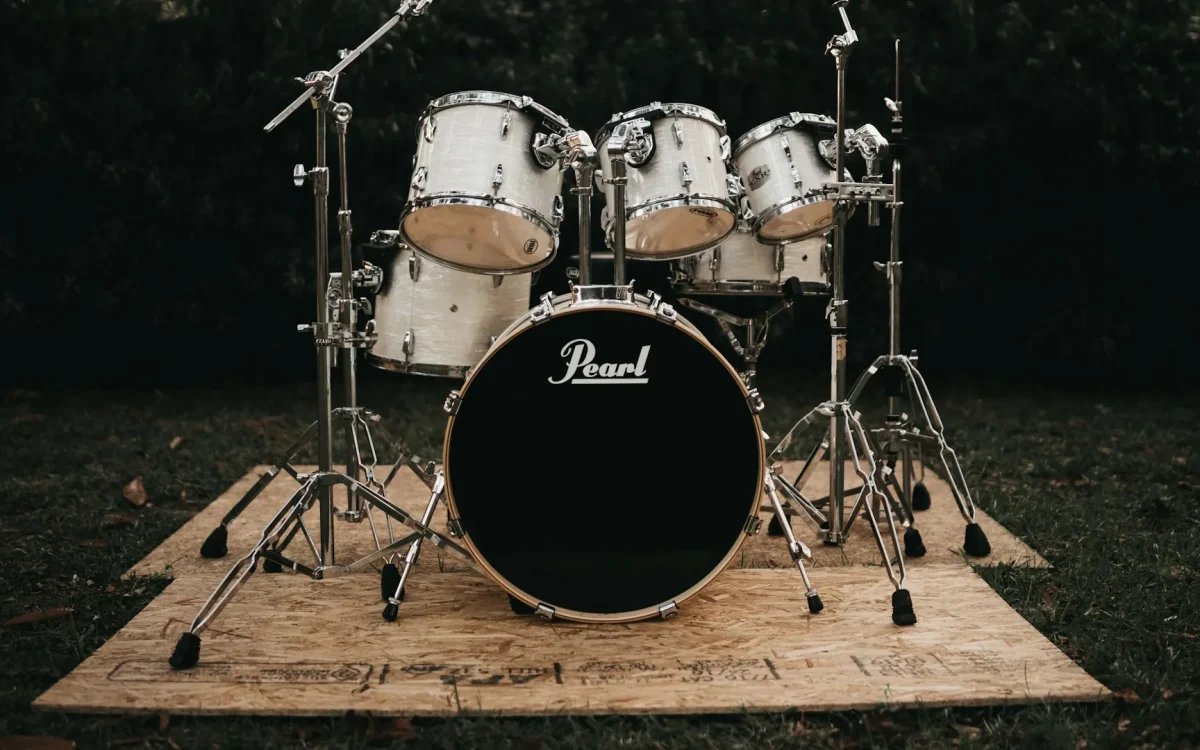
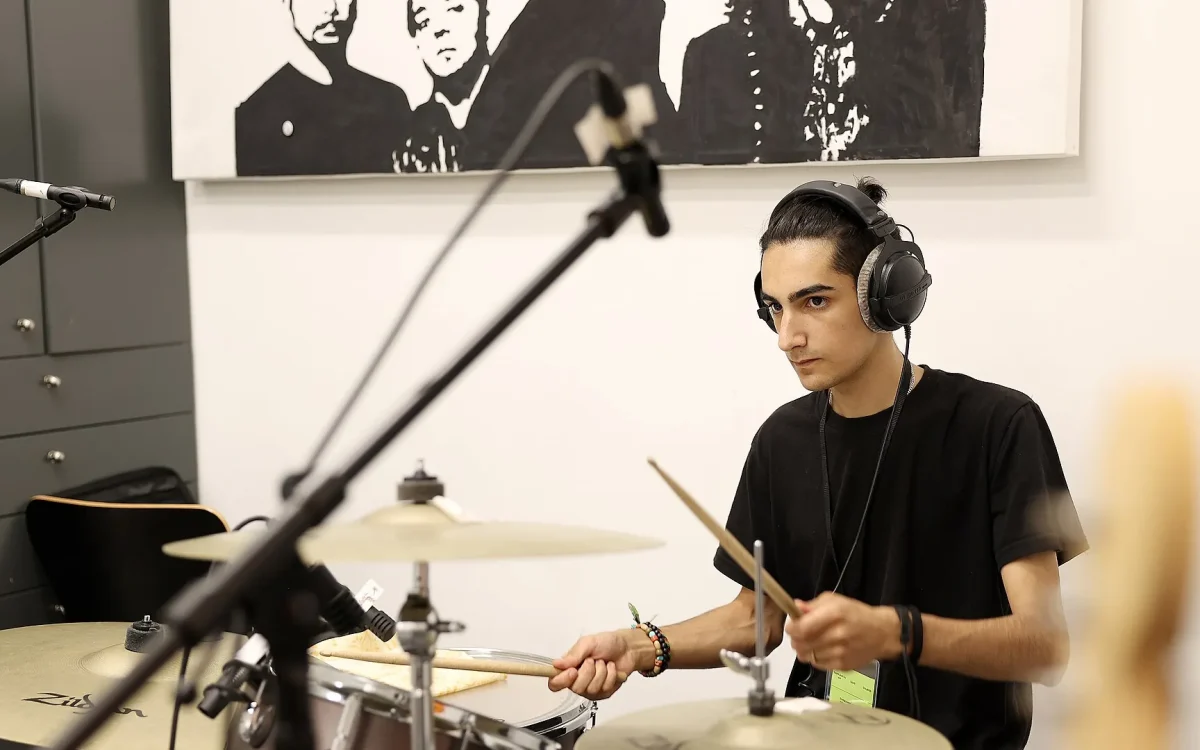
Drums are hugely motivating for many children, but noise and size matter. Junior acoustic kits versus electronic kits, what to look for, and six well-regarded drum sets for young drummers.
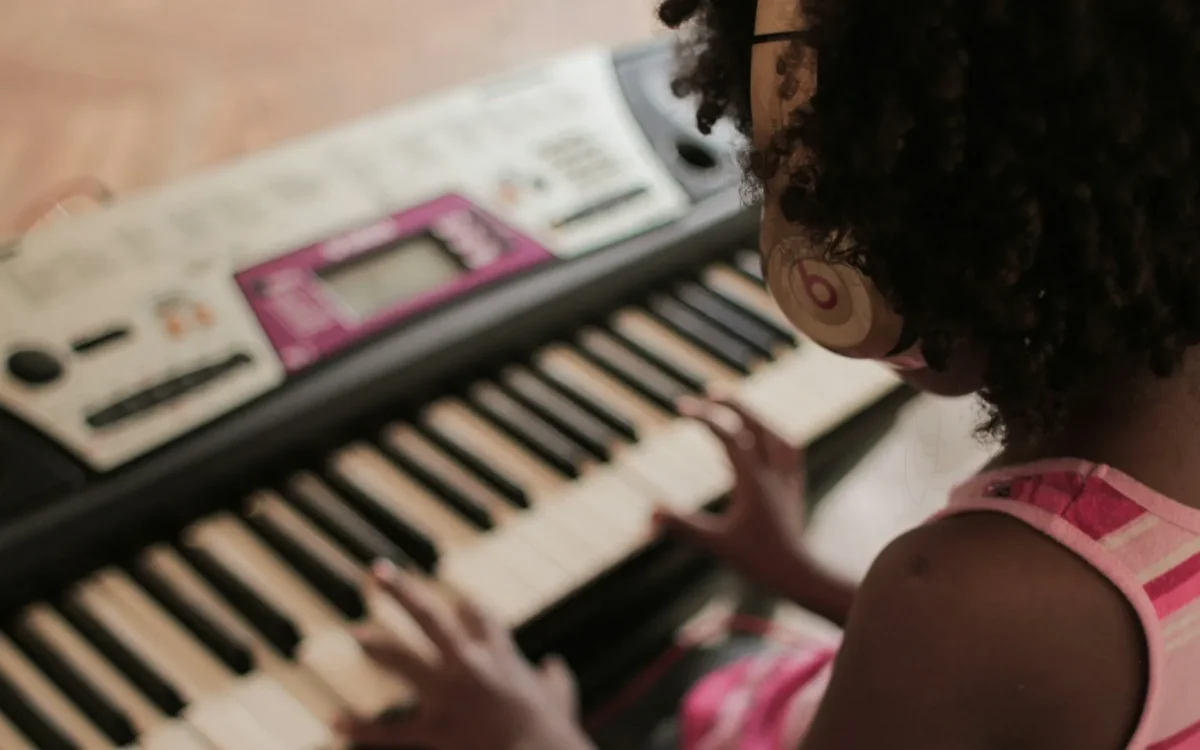
A good first keyboard can spark years of music. What matters for children (key size, number of keys, touch sensitivity, learning features) and six well-regarded keyboards from toddler toys to…
Harmony singing is one of music's great joys. What harmony is, how to start with rounds and drones, singing thirds, holding your part against others, and practising harmony at home…
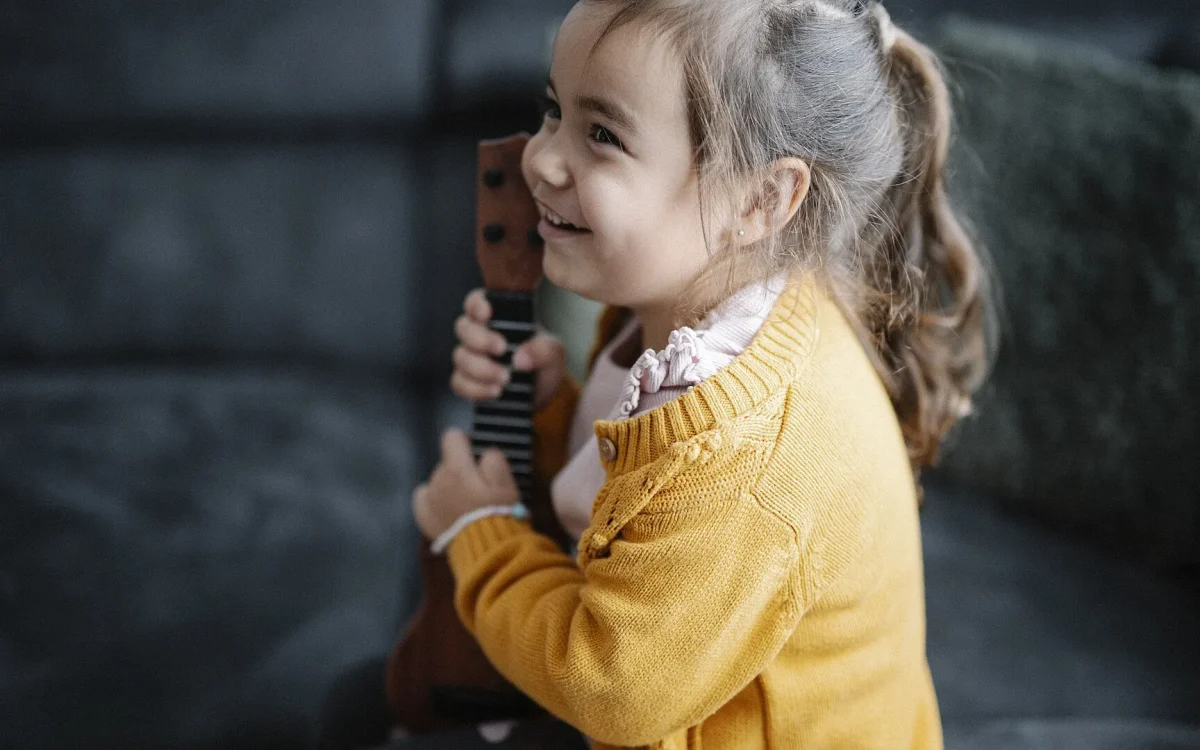
The ukulele is one of the best first instruments for children: small, affordable and quick to sound good. Sizes, strings, tuning stability and six well-regarded ukuleles for young beginners.
Piano, violin, guitar, ukulele, drums or recorder? How to choose a first instrument that suits your child's age, hands, personality and your home, with honest pros and cons for each.
Almost every new guitarist gets sore fingertips. Why it happens, how long it lasts, how calluses form, how to practise without overdoing it and when pain is a sign of…
Changing strings is a basic skill every guitarist needs. When to change them, which strings to buy, and clear step-by-step instructions for steel-string acoustic, classical and electric guitars.
Realistic expectations for your first year of guitar: the chords, rhythms, songs and skills most learners reach with regular practice, how practice time affects progress and what comes next.
Singing while playing guitar, ukulele or piano feels like patting your head and rubbing your tummy at first. A step-by-step method to coordinate voice and hands, with exercises and song…
Headphones make quiet practice on keyboards, digital pianos and electronic drums possible. Volume limiting, comfort, wired versus wireless, and six well-regarded headphones for children and teens.
Singing to babies and toddlers supports bonding, language and early musical skills. Here is how to start even if you think you cannot sing, with songs and routines for every…
Every music student needs a way to keep time and play in tune. Clip-on tuners, combo tuner-metronomes, mechanical and digital metronomes, apps, and six well-regarded tools for students.
Many people learn instruments on their own. What self-learning does well, its risks, how to structure your learning, avoid bad habits, get feedback and know when a few lessons would…
Ask the Note Reading Tutor anything about reading music, from treble and bass clef notes to rhythms, key signatures and symbols, and get clear explanations with practice exercises.
The weekly practice letter
A new guide, a practice game and a tip for parents and teachers in your inbox each week. Free, and easy to leave.