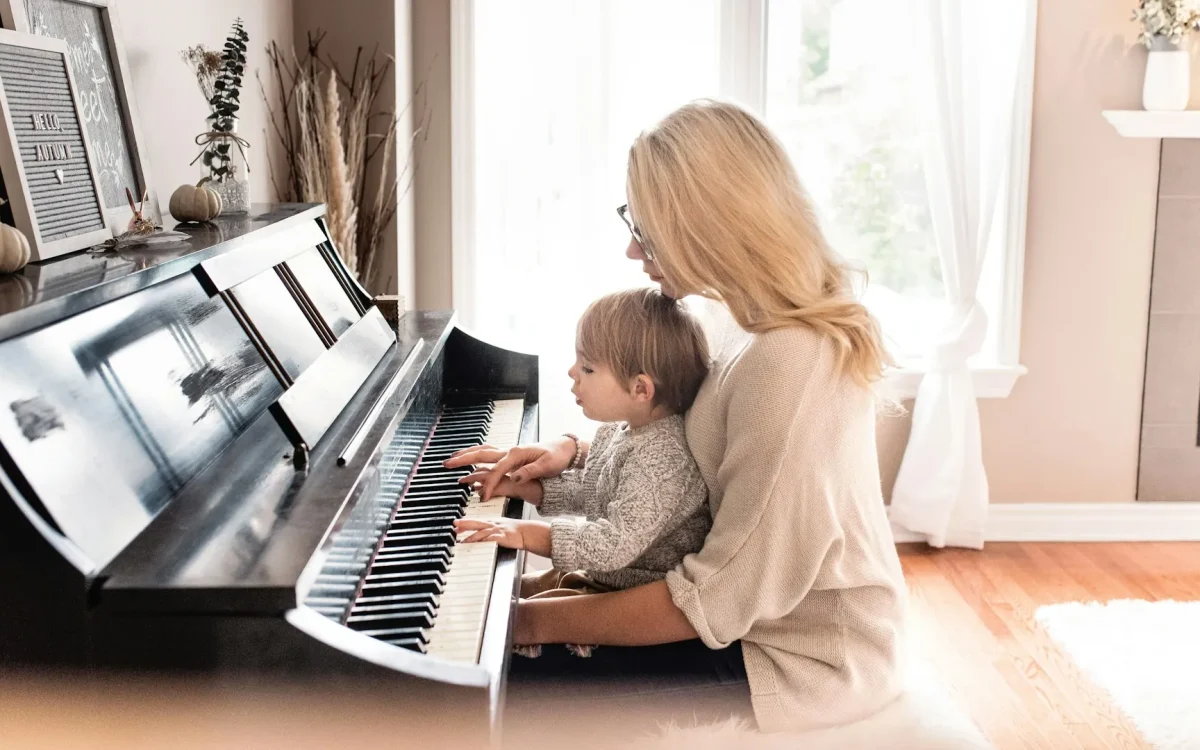
What Age Should a Child Start Music Lessons?
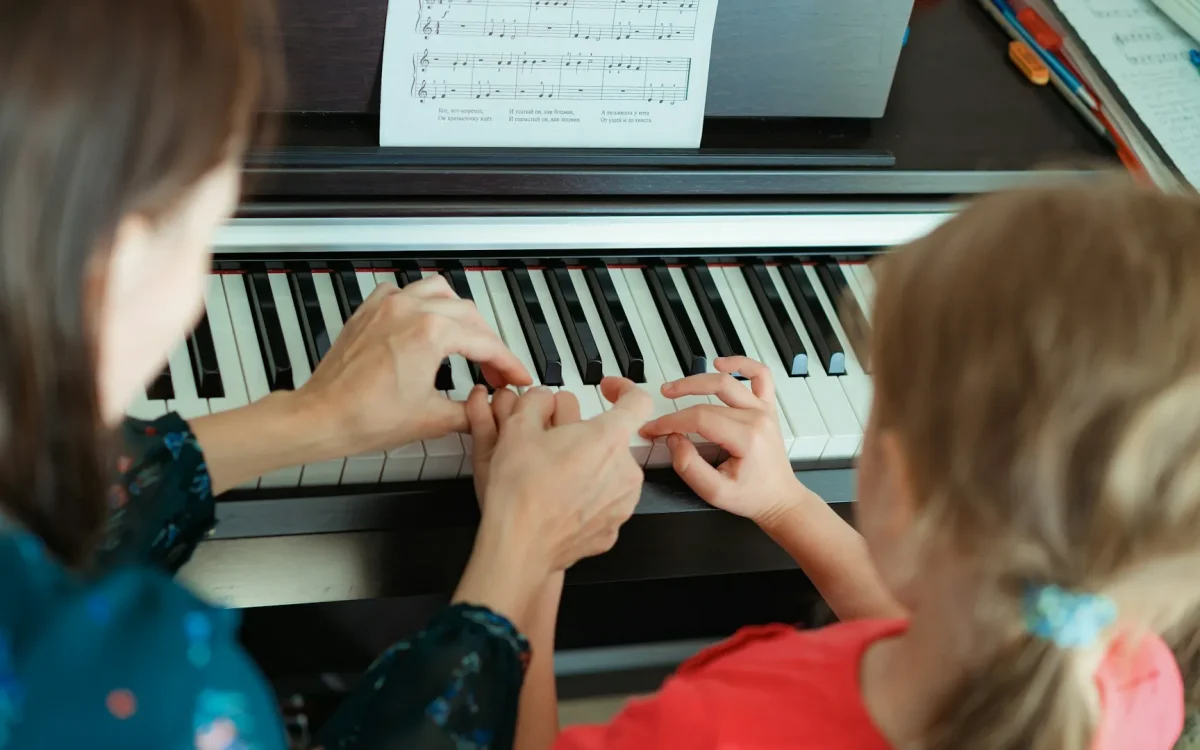
There is no single perfect age to start music lessons, but there is a best start for each age. Here is what children can do at every stage, which instruments…
WeLearnMusic guides are written and edited by our editorial team for self-taught and intermediate musicians. Every guide is built to be used with an instrument in your hands: clear steps, realistic tempos, and a next step at the end.
122 guides
There is no single perfect age to start music lessons, but there is a best start for each age. Here is what children can do at every stage, which instruments…
Clear written policies prevent misunderstandings and protect your time and income. What to include: fees and payment, cancellations and make-ups, holidays, communication, expectations, online lessons and safeguarding.
Almost every young musician wants to quit at some point. How to tell a temporary dip from a real mismatch, what to try before giving up, and how to make…
Fluent readers do not name every note. They see steps, skips, leaps and repeated notes. How intervallic reading works, how to spot melody shapes and patterns, and exercises to read…
Tell the Music Quiz Maker the topic, age group, number of questions and format, and it creates a ready-to-use music quiz with answers for the classroom, lessons or family fun.
Piano method books follow different philosophies: middle C, multi-key, intervallic reading and chord-based. How each approach works, who it suits, and how to choose a book for a child or…
Music apps can make practice fun and motivating, but they work best as part of a balanced approach. Types of apps, what they teach well, their limits, choosing apps for…
Good posture makes piano easier, more comfortable and better sounding. How to set the bench height and distance, position your body, arms, wrists and fingers, with checks for children and…
Adult students bring motivation, understanding and specific goals, along with busy lives and self-doubt. How to tailor lessons, explain concepts, choose repertoire, handle frustration and keep adults progressing.
Tell the Practice Chart Maker your child's age, instrument, practice goals and interests, and it designs a practice chart, sticker tracker or reward system you can print or copy.
The three main types of guitar feel and sound very different. Nylon-string classical, steel-string acoustic and electric guitars compared for comfort, styles, cost and what each needs to get started.
A practical year-long music plan for homeschooling families: weekly structure, termly themes, singing, rhythm, reading, composers and an instrument, with ideas for mixed ages.
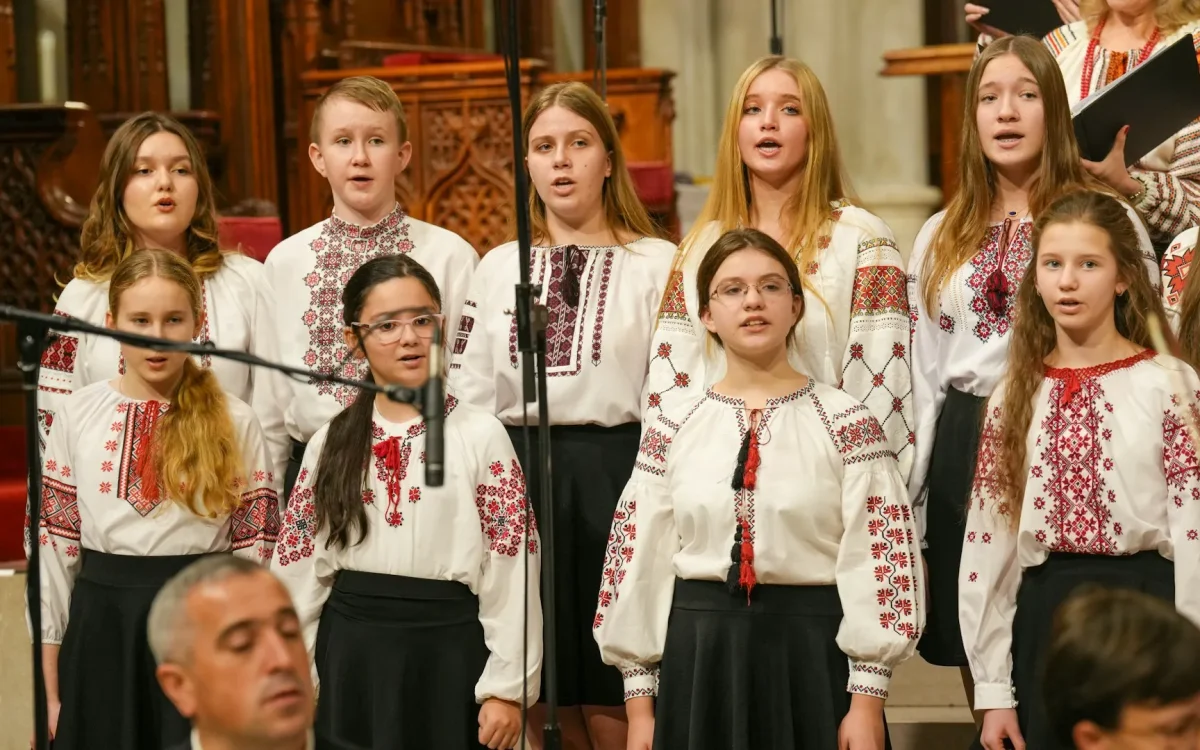
When children can start singing lessons, what a good lesson looks like, how to protect a young voice, choirs versus private lessons, and simple ways to encourage singing at home.
Tell the Singing Coach your age, experience, voice type or range and goals, and it suggests warm-ups, exercises and songs, with healthy-voice advice and practice routines.
A child-friendly guide to note values: semibreves, minims, crotchets and quavers (whole, half, quarter and eighth notes), rests, dotted notes, counting words, clapping games and fun ways to practise.
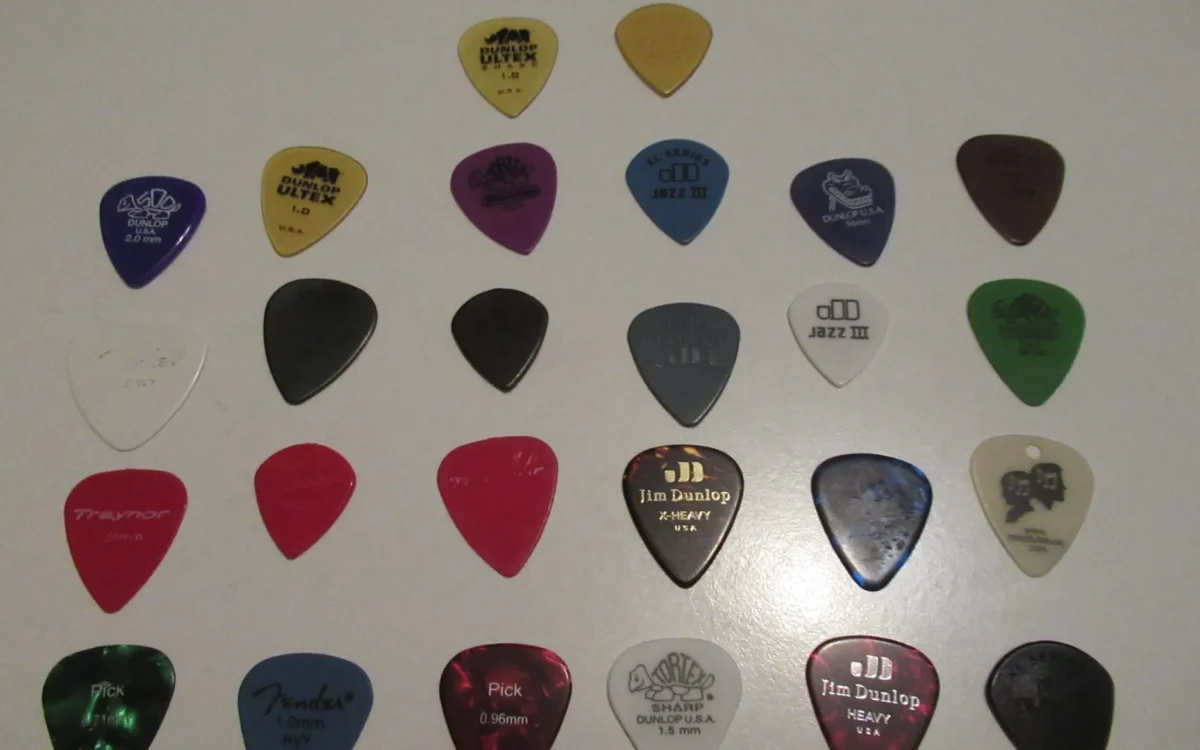
Should you strum with a pick or your fingers? The sound, comfort and styles of each approach, how to hold a pick, simple fingerpicking patterns and why many players learn…
Slow chord changes are the biggest early hurdle on guitar. Anchor fingers, moving fingers as a unit, the one-minute change drill and other exercises to make changes faster and cleaner.
Rhythm is the foundation of all music, and one of the most common difficulties for beginners. Step-by-step strategies: feeling the beat, movement, rhythm syllables, counting systems, notation and practice tools.
Playing by ear means finding music on the keyboard without written notes. How to start with simple melodies, add bass notes and chords, train your ear and combine ear playing…
A well-organised teaching space makes lessons smoother and more professional. Choosing a room, instruments and furniture, sound and neighbours, storage, technology, waiting areas and safety considerations.
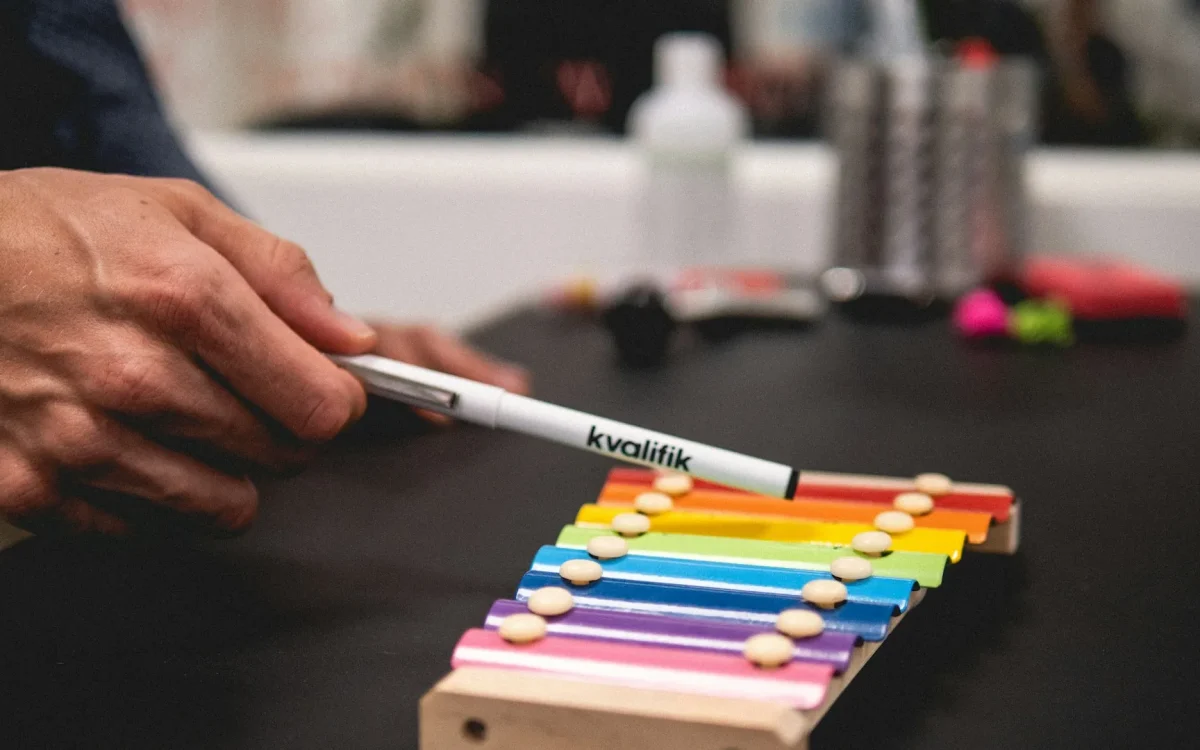
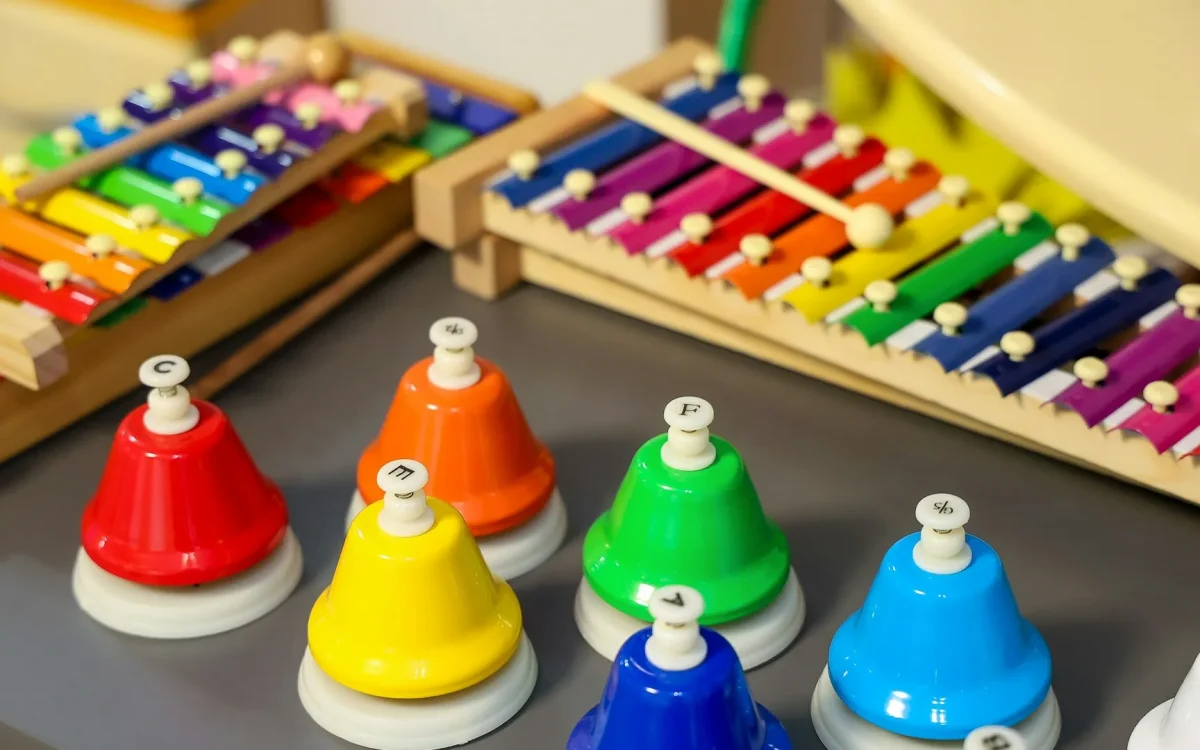
Tuned percussion is a joyful way for young children to discover melody. The difference between xylophones and glockenspiels, what makes one play in tune, and the best types for toddlers,…
Young children learn music through play, movement and song. Practical strategies for teaching ages 3 to 7: short activities, singing, movement, simple instruments, managing attention and involving parents.
Nervous about a first music lesson? What usually happens, what to bring, questions the teacher may ask, how to prepare a child, what to ask in return and how to…
Online lessons have become a real alternative to the traditional studio. The pros and cons of each, which instruments and ages suit online learning, the equipment you need and how…
The weekly practice letter
A new guide, a practice game and a tip for parents and teachers in your inbox each week. Free, and easy to leave.