Can You Learn Music Without a Teacher?
Many people learn instruments on their own. What self-learning does well, its risks, how to structure your learning, avoid bad habits, get feedback and know when a few lessons would help.
In this guide
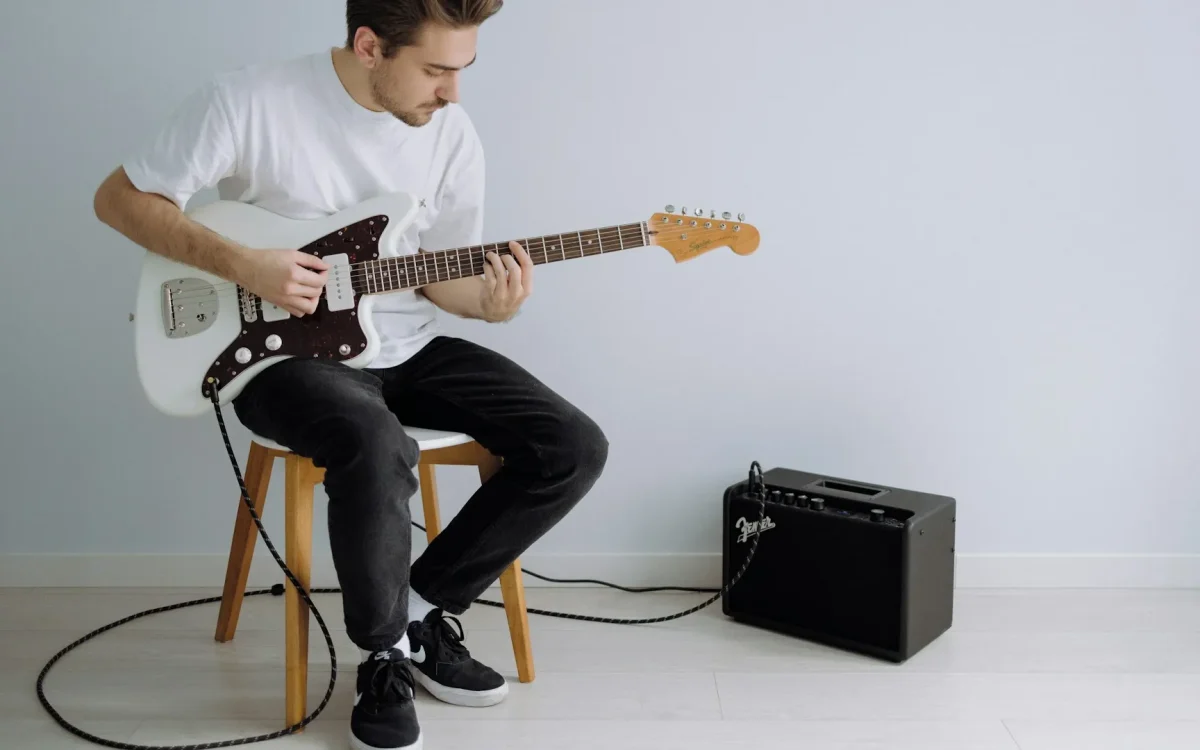
Many people learn music on their own, using books, videos, apps and a lot of curiosity. Some well-known musicians taught themselves, at least at first. Self-learning offers freedom, flexibility and low cost, but it also has risks, especially bad habits that are hard to undo. Can you really learn music without a teacher? Yes, many people do. This guide explains how to do it well.
What self-learning does well
Learning on your own lets you choose exactly what to learn, at your own pace and on your own schedule. You can focus on the music you love, whether that is pop songs, folk tunes or film music. It costs less than regular lessons. Many self-learners develop strong problem-solving skills and a good ear, because they work things out for themselves.
The risks
Without a teacher, it is easy to develop poor posture, inefficient technique or tension that limits progress or even causes discomfort. Gaps in knowledge, such as reading music or rhythm, may go unnoticed. Self-learners can also lose motivation without the structure and accountability of lessons, or get stuck on a plateau without knowing how to move forward.
Choose good resources
| Resource | Strengths | Limits |
|---|---|---|
| Method books | Structured, step-by-step progression | No feedback on technique |
| Video lessons | Visual demonstration | Quality varies widely |
| Learning apps | Interactive, motivating | May skip reading or technique |
| Online courses | Structured with videos | Often cost money; feedback limited |
| Community groups | Support, playing with others | Advice can be inconsistent |
A good method book combined with quality video demonstrations is a strong foundation. See learning music from online videos and using music learning apps.
Build a structured plan
The biggest challenge of self-learning is structure. Without a plan, it is easy to jump between random songs and videos without building skills in order. Follow a method book or a structured course from beginning to end, or use a roadmap such as our 12-week piano roadmap or 12-week guitar roadmap. Set weekly goals and review them regularly.
Practise well
Practise regularly, ideally daily, in short focused sessions. Include warm-ups, technique, reading, pieces and fun. Use a metronome to develop steady rhythm, and a tuner for tuning. Keep a practice log to track progress and stay accountable. Our practice timer helps keep sessions structured.
Avoid bad habits
Study good posture and technique carefully from reliable sources, and check yourself often. Watch for tension in your shoulders, wrists, hands and jaw. Play slowly enough to stay relaxed and accurate. If something hurts, stop and investigate. Comparing your posture with demonstrations from qualified teachers is essential.
Record yourself
Recording audio and video is one of the most valuable tools for self-learners. Video reveals posture and technique problems you cannot feel; audio reveals rhythm, tuning and tone. Record regularly and compare with earlier recordings to see progress. Compare your recordings with good performances of the same music.
Get feedback
Even self-learners benefit from feedback. Options include occasional lessons with a teacher (perhaps once a month or every few months), online video feedback services, music communities and forums, and playing for experienced musician friends. A single lesson every few months can catch problems early and give you direction.
When lessons would help
Consider lessons if you feel stuck, experience pain or discomfort, want to prepare for exams, want to play classical music with demanding technique, or are learning an instrument with complex technique such as violin. Many self-learners combine independent learning with occasional lessons for the best of both. See questions to ask a music teacher.
A closer look: children and self-learning
Children can explore music independently, and curiosity-driven learning is valuable. However, most children benefit greatly from a teacher, who provides structure, encouragement and correct technique from the start. If formal lessons are not possible, parents can support children with structured books, apps designed for children, and regular, positive involvement. Group classes or school music programmes are excellent alternatives. See making music lessons affordable.
Putting it into practice
Choose a structured method book or course, set up a daily practice routine and record yourself every week. Study posture carefully, and arrange occasional feedback from a teacher or experienced musician. The Piano Practice Buddy AI and Guitar Lesson Coach AI can help self-learners plan practice and answer questions.
A sample weekly routine for self-learners
A simple structure keeps self-learning on track. On five days a week, practise for twenty to thirty minutes: a short warm-up, ten minutes on the next lesson in your method book, five minutes of reading or theory, and the rest on a song you enjoy. On one day, record yourself playing everything you have learned that week and compare it with last week’s recording. On the seventh day, rest or simply play for fun. Once a month, review your goals: what you can now do that you could not do a month ago, and what you will focus on next. This rhythm of steady practice, regular recording and monthly review gives many of the benefits of lessons, and makes it easy to see when a check-in with a teacher would help.
Frequently asked questions
Is it harder to learn music without a teacher?
It can be, mainly because of structure and feedback. A good plan and recordings help a lot.
Which instruments are easiest to self-teach?
Ukulele, guitar, keyboard and singing are popular choices for self-learners.
How often should a self-learner take lessons?
Even one lesson every month or two can provide valuable feedback and direction.
Questions and notes