Singing in Harmony: The Basics for Beginners
Harmony singing is one of music's great joys. What harmony is, how to start with rounds and drones, singing thirds, holding your part against others, and practising harmony at home and in groups.
In this guide
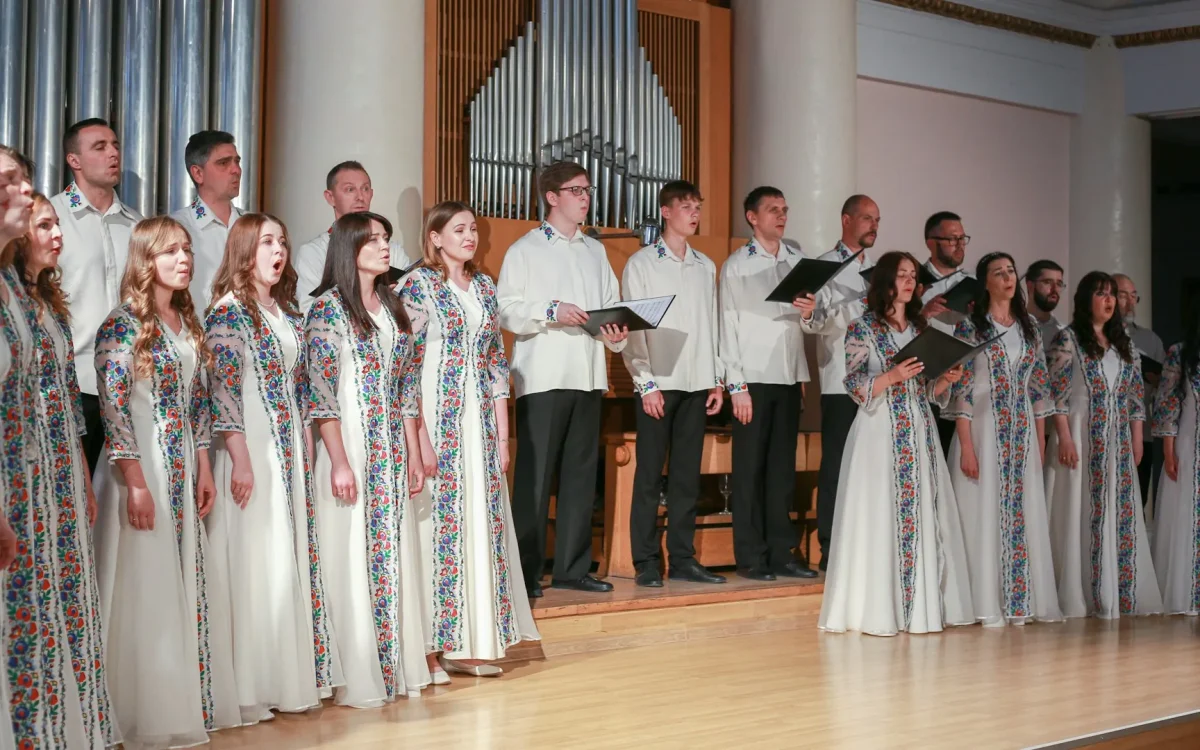
There is something magical about voices singing in harmony: the way different notes blend into a rich, full sound that no single voice can make. Harmony singing is at the heart of choirs, gospel groups, folk bands and pop backing vocals. Many beginners find it challenging at first, because singing a different note from the people around you means your ear is constantly tempted to drift to the melody. With the right steps, almost anyone can learn to sing harmony.
What is harmony?
Harmony happens when two or more different notes are sung or played at the same time and sound good together. The melody is the main tune, the part most people recognise. Harmony parts sit above or below it, supporting and enriching it. In a choir, sopranos often sing the melody while altos, tenors and basses sing harmony parts, though this varies.
Step 1: sing rounds
Rounds are the gentlest introduction to harmony. Everyone sings the same melody, but groups start at different times, creating harmony as the parts overlap. Traditional rounds such as “Row, Row, Row Your Boat”, “Frère Jacques” and “London’s Burning” are perfect. Because you sing a tune you know, you can focus on holding your part while hearing others sing something different.
Step 2: partner songs
Partner songs are two different songs that fit together when sung at the same time. One group sings one song while another sings the other. They are popular in schools and children’s choirs and teach singers to hold an independent melody against another tune.
Step 3: sing against a drone
Play or have someone sing a single sustained note, a drone, while you sing a simple melody or scale above it. Listen to how each note sounds against the drone: some blend smoothly, others create tension. This trains your ear to stay in tune while another pitch sounds. See ear training for singers.
Step 4: sing in thirds
The most common harmony in popular and folk music is a third above or below the melody. If the melody sings C, the harmony a third above sings E; if the melody moves to D, the harmony moves to F, and so on, following the scale. Try singing a simple scale while someone else sings the same scale starting a third higher. Thirds sound sweet and are relatively easy to hear.
Common harmony intervals
| Interval | Sound | Where you hear it |
|---|---|---|
| Third | Sweet, warm | Folk, pop, country duets |
| Sixth | Rich, open | Duets, close harmony |
| Fifth | Strong, hollow | Folk, medieval, power harmonies |
| Octave | Same note, higher or lower | Men and women singing the same tune |
Step 5: learn a harmony part
When learning a harmony part, learn it on its own first, until you can sing it confidently without hearing the melody. Use a practice recording of your part, a piano or an app. Then sing it with a recording of the melody, quietly at first. Finally, sing it with other singers. Many choirs provide part-practice recordings for each section; use them. See joining a choir.
Holding your part
The biggest challenge in harmony singing is not drifting to the melody. Some tips help: stand or sit next to singers on your part, cover one ear lightly with your hand to hear yourself better, and think of the melody as accompaniment to your line rather than the other way round. Knowing your part well is the best protection. If you lose your note, stop, listen for your section, and rejoin.
Blending with other voices
Good harmony is not just about correct notes; it is about blending. Match the vowels, volume and tone of the singers around you. Avoid singing louder than your section, and listen more than you sing. When voices blend well, harmonies ring with a special resonance. Directors often ask singers to listen “across” the choir to the other parts as well as to their own section.
Practising harmony at home
You can practise harmony on your own with a few tools. Record yourself singing the melody, then play it back and sing a harmony part over it. Use apps that play backing parts. Play the melody on a piano or guitar and sing a harmony above or below. Sing with family members; rounds and simple duets are a lovely family activity. See sing and play at the same time.
A closer look: harmony for children
Children can begin harmony singing with rounds from around age six or seven, and many enjoy partner songs and simple two-part songs at school. Start with short, familiar rounds, and divide the group so that each part has several confident singers. Two-part songs where the harmony moves in thirds are a natural next step. Children who sing harmony develop excellent listening skills that help with every instrument they learn. See singing lessons for kids.
Putting it into practice
This week, sing a round with family or friends, try a scale in thirds with someone else, and practise one harmony part with a recording. Use our free ear trainer to get familiar with thirds and fifths by ear. The Singing Coach AI can suggest harmony exercises and songs.
Frequently asked questions
Why do I keep slipping to the melody?
The melody is the strongest tune in your ear. Learn your part thoroughly alone and stand near singers on your part.
Is harmony singing harder than melody?
It takes more listening, but with practice it becomes natural and very rewarding.
Can I learn harmony without reading music?
Yes. Many singers learn harmony entirely by ear using recordings.


Questions and notes