Setting Up a Home Music Teaching Studio
A well-organised teaching space makes lessons smoother and more professional. Choosing a room, instruments and furniture, sound and neighbours, storage, technology, waiting areas and safety considerations.
In this guide
Many music teachers teach from home, whether full time or alongside other work. A home studio saves travel, lowers costs and lets you create an environment that suits your teaching. But turning a room into a professional, welcoming teaching space takes some planning. This guide covers the practical elements of setting up a home teaching studio, from choosing the room to organising music, technology and the experience of students and parents.
Choosing the room
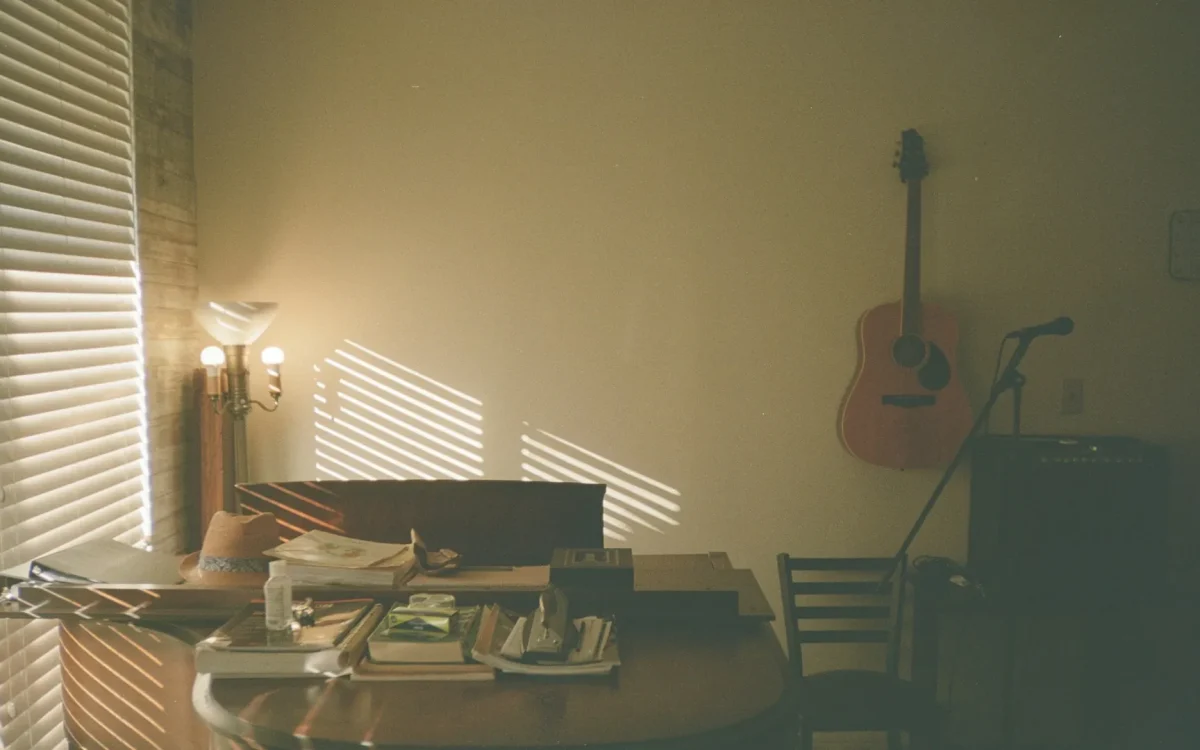
Ideally, choose a room that can be dedicated to teaching, or at least kept tidy and ready during teaching hours. A room near the front door means students do not walk through your home. Consider natural light, ventilation, temperature and space for the instrument, two people, a music stand and storage. For group lessons, you will need more space. A quiet room away from family noise and household distractions helps everyone focus.
Instruments
Your teaching instrument should be in good condition and well maintained. Pianos need regular tuning, typically at least once or twice a year. Many teachers keep a second instrument, such as a digital piano or a spare guitar, so they can play alongside students. For string teachers, a range of child sizes for demonstration and trial can be useful. Keep accessories such as spare strings, rosin, reeds and a tuner within reach.
Furniture and equipment
| Item | Why it matters |
|---|---|
| Adjustable piano bench or chair | Correct posture for students of all sizes |
| Footstool | Supports small children’s feet; needed for classical guitar |
| Sturdy music stands | Clear reading at eye level |
| Second chair for the teacher | Comfortable position to observe and demonstrate |
| Whiteboard or notebook | Explaining theory and writing tasks |
| Metronome and tuner | Everyday lesson tools |
See best music stands and best metronomes and tuners.
Sound and neighbours
Music carries, and teaching all afternoon can affect neighbours and family. Rugs, curtains, bookshelves and soft furnishings absorb sound and improve the room’s acoustics. Avoid placing a piano against a shared wall if possible. Keep teaching hours reasonable, and consider talking to neighbours in advance. Check any local regulations or rental agreements about running a business from home.
Storage and organisation
A well-organised studio saves lesson time and looks professional. Keep sheet music, method books and resources organised by level or type in shelves or filing boxes. Have a system for student notebooks and loaned materials. Store small instruments and accessories in labelled containers. A tidy space also helps students feel welcome and focused.
Technology
A computer or tablet is useful for playing recordings, showing videos, using theory apps and keeping student records. A good speaker helps with listening activities and backing tracks. For recording students, a simple audio recorder or phone works well. If you teach online, you will also need a reliable internet connection, a good camera, a microphone and lighting. See teaching music online setup.
Waiting area and arrivals
Think about where parents and students wait before and after lessons. A small waiting area with a few chairs, perhaps some music books or magazines, is ideal. Make sure arrivals and departures do not disturb the lesson in progress. Clear information about parking, arrival times and where to wait helps families.
Safety and safeguarding
Keep the teaching space safe: secure cables, stable furniture, good lighting and a clear route to the exit. Have a basic first aid kit available. For teaching children, follow safeguarding good practice appropriate to your country: keep the door open or have a window in the door where possible, welcome parents, maintain professional boundaries and have written policies. Check insurance requirements for teaching at home, including public liability insurance.
Creating a welcoming atmosphere
A studio should feel inviting and inspiring. Display musical posters, student achievement certificates or a “wall of fame” for recitals. Keep the space clean, comfortable and at a pleasant temperature. Small touches, such as a sticker box for young students, make lessons feel special. Students who feel comfortable learn better.
Running the business side
Teaching from home is still a business. Keep clear records of lessons, payments and student progress. Write studio policies covering fees, cancellations and expectations. Check local requirements for registering a business and paying taxes. See music studio policies.
A closer look: small spaces
Not every teacher has a spare room. A corner of a living room can work well with a little organisation: a digital piano that can be closed, a compact stand and storage that hides materials when not in use. A room divider or curtain can separate the teaching area. Focus on the essentials: a well-maintained instrument, good seating, good lighting and a tidy space.
Putting it into practice
Walk through your teaching space as if you were a new student or parent. Is it easy to find, comfortable, organised and safe? Make a list of three improvements and tackle them one at a time. The Lesson Plan Builder AI helps you prepare lessons quickly so your studio time is spent teaching.
Frequently asked questions
Do I need insurance to teach music from home?
Many teachers carry public liability insurance. Check requirements and your home insurance policy.
How can I reduce noise for neighbours?
Use rugs, curtains and soft furnishings, avoid shared walls and keep reasonable teaching hours.
Is a digital piano acceptable for teaching?
A good digital piano with weighted keys is fine for many students, though an acoustic piano is ideal for advanced teaching.


Questions and notes