Best Xylophones and Glockenspiels for Kids
Tuned percussion is a joyful way for young children to discover melody. The difference between xylophones and glockenspiels, what makes one play in tune, and the best types for toddlers, school-age children and music classrooms.
In this guide
We may earn a commission when you buy through links on this page, at no extra cost to you. How we choose instruments.
A xylophone or glockenspiel is often a child’s first tuned instrument. Hitting a bar and hearing a clear note is instantly rewarding, and children quickly start picking out tunes. Tuned percussion also introduces the idea of high and low notes, scales and simple melodies in a very visual way. But many toy xylophones are badly out of tune, which teaches children the wrong sounds. This guide explains what to look for and recommends the best types for different ages.
Xylophone, glockenspiel or metallophone?
| Instrument | Bars | Sound | Good for |
|---|---|---|---|
| Xylophone | Wood or synthetic | Warm, dry, short | Classroom music, young children |
| Glockenspiel | Metal, small | Bright, bell-like, ringing | Melodies, school bands, home |
| Metallophone | Metal, larger | Mellow, long ringing | Orff classrooms, ensembles |
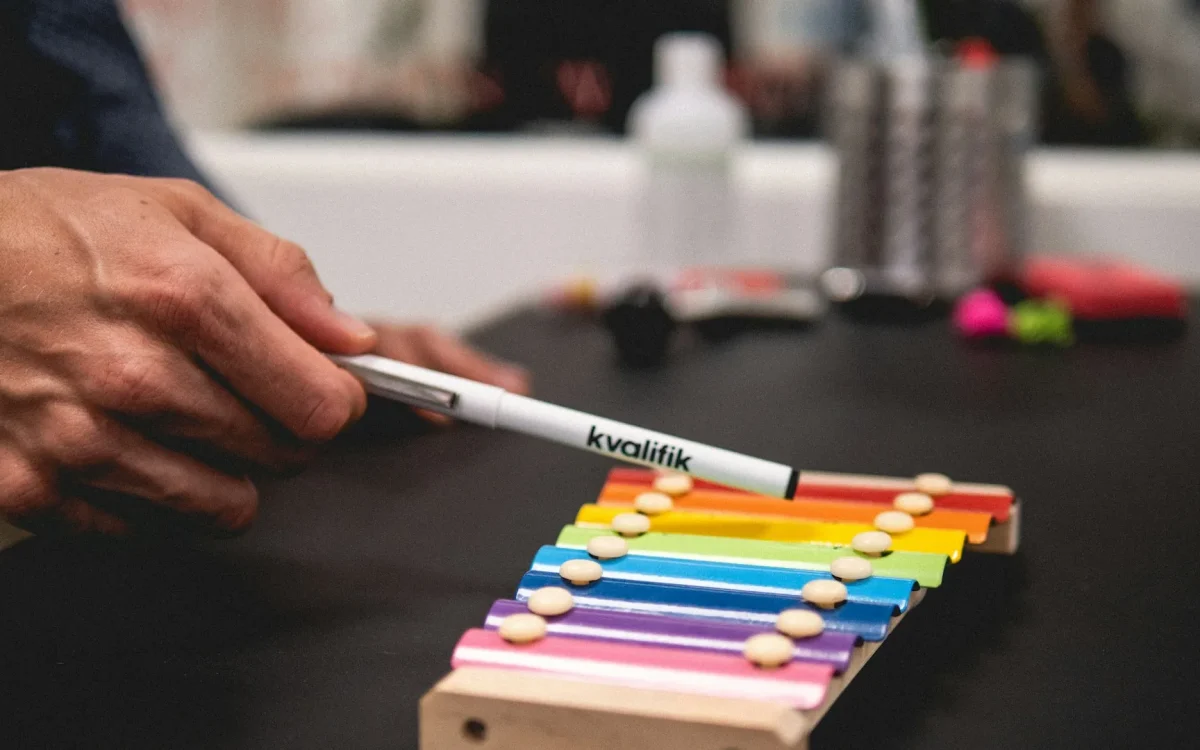
Many toys called “xylophones” actually have metal bars and are technically glockenspiels. What matters most is that they play in tune.
What to look for
Tuned bars
The most important feature is accurate tuning. A good instrument has bars tuned to real pitches, often marked with note names. Toy instruments with rainbow bars that are not properly tuned are fine for banging but not for learning melodies. Look for descriptions that mention tuned bars or note names, and buy from music education brands where possible.
Diatonic or chromatic?
Diatonic instruments have only the natural notes (like the white keys of a piano), usually in C major. They are simpler for young children. Chromatic instruments add sharps and flats (like the black keys), allowing music in any key; they suit older children and school band players.
Removable bars
Orff-style classroom instruments often have removable bars, so teachers can take out notes that are not needed. With only the notes of a pentatonic scale (five notes), children can improvise freely and everything sounds pleasant.
Mallets
Mallets affect the sound. Harder mallets give a bright, crisp sound; softer mallets give a gentler tone. Young children need short, sturdy mallets that are easy to hold.
The best types for each age
Rather than a single model, these picks describe the types of instrument that work best at each stage, with a reliable example to search for.
Best for toddlers
Hape Pound and Tap Bench
Wooden toy · pound-the-balls bench with slide-out xylophone · ages 1+
For toddlers, a sturdy wooden toy that combines play with first musical sounds is ideal. This well-known combination bench lets little ones pound balls and play a slide-out xylophone, building coordination and an early sense of sound.
Suits: toddlers and preschoolers.
Skip if: you want an instrument for learning tunes accurately.
Check the price on Amazon Price band: $
Best first melody instrument
Diatonic glockenspiel with note names
8 to 15 tuned metal bars · C major · note names printed · two mallets
A small tuned glockenspiel with note names on the bars is perfect for children aged about four to eight learning simple tunes. Choose one described as properly tuned, ideally from a music education brand, and check reviews for tuning accuracy.
Suits: young children learning their first melodies at home.
Skip if: your child needs sharps and flats for school band music.
Check the price on Amazon Price band: $
Best for classrooms and improvising
Orff-style soprano xylophone with removable bars
Wooden resonator box · removable tuned bars · diatonic with F sharp and B flat · classroom quality
Orff-style instruments are the standard in many primary music classrooms. Removable bars make it easy to set up pentatonic scales for improvisation, and their warm sound blends well in groups.
Suits: music classrooms, homeschool groups and keen families.
Skip if: you need a compact instrument for a small space.
Check the price on Amazon Price band: $$
Best for school band
Chromatic student bell kit
Chromatic metal bars · carrying case · stand and practice pad often included
Many school band programmes use chromatic bell kits as a first percussion instrument. These usually include a case, a stand, a practice pad and sticks, giving students tuned and untuned practice in one package.
Suits: children starting school band percussion.
Skip if: your child is very young or just exploring.
Check the price on Amazon Price band: $$
Best for free play that always sounds good
Pentatonic metallophone or chime bars
Pentatonic tuning · metal bars or individual chime bars · gentle ringing tone
Pentatonic instruments use only five notes that always sound pleasant together, so children can improvise without wrong notes. Individual chime bars are also excellent for group games where each child holds one note.
Suits: young children, music therapy and group play.
Skip if: you want to play full melodies with all the notes.
Check the price on Amazon Price band: $
Activities with tuned percussion
- Play simple tunes by note names, such as “Mary Had a Little Lamb” (E D C D E E E).
- Play high and low games: hit the longest bar, then the shortest, and talk about the difference.
- Improvise on a pentatonic set of bars while a parent plays a steady beat.
- Echo games: play three notes and ask your child to copy them.
See music activities for preschoolers and music games at home.
A closer look: why tuning matters
Young children’s ears are developing rapidly, and the sounds they hear shape their sense of pitch. An out-of-tune instrument can make familiar songs sound wrong and confuse early pitch learning. A properly tuned instrument helps children sing in tune, recognise melodies and enjoy making music. If you already own a toy xylophone, test it against a piano or tuning app: if the notes are close to real pitches, it is fine for play; if not, consider a better instrument for learning.
Putting it into practice
Choose a tuned instrument suited to your child’s age, start with simple tunes and games, and play together for a few minutes a day. The Kids Music Activity Planner AI can create xylophone and glockenspiel activities for any age, and our note values guide helps children start reading simple rhythms.
Frequently asked questions
What is the difference between a xylophone and a glockenspiel?
A xylophone has wooden bars with a warm sound; a glockenspiel has metal bars with a bright, ringing sound.
What age is a xylophone suitable for?
Toddlers enjoy toy versions; tuned glockenspiels suit children from about four.
Are rainbow toy xylophones good for learning?
Only if they are properly tuned. Check against a piano or tuner app.

Questions and notes