Your First Music Lesson: What to Expect and How to Prepare
Nervous about a first music lesson? What usually happens, what to bring, questions the teacher may ask, how to prepare a child, what to ask in return and how to follow up after the lesson.
In this guide
A first music lesson is an exciting step, whether you are a child starting your first instrument or an adult finally taking up something you have always wanted to learn. It is also natural to feel a little nervous. Knowing what usually happens in a first lesson, what to bring and how to prepare can help you relax and get the most from it. This guide covers everything you need to know.
The purpose of a first lesson
A first lesson is partly about learning and partly about getting to know each other. The teacher wants to understand your experience, goals and personality, and you want to see whether their teaching style suits you. Most first lessons include some conversation, a few simple activities and a first taste of playing. Do not expect to play a full piece; expect to begin.
What to bring
| Item | Why |
|---|---|
| Your instrument (if portable) | The teacher can check its size and condition |
| A notebook and pencil | To write down practice instructions |
| Any music or books you have | Shows the teacher where you are |
| A list of questions | So you do not forget to ask |
| Water | Especially for singers and wind players |
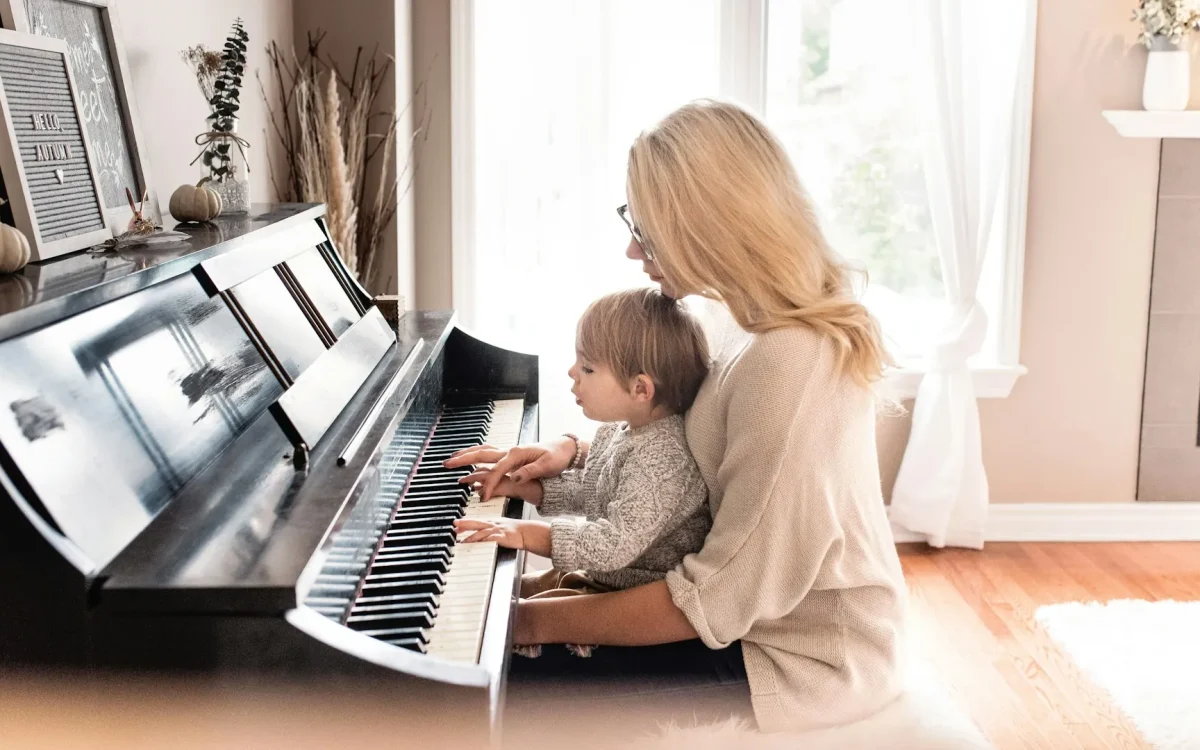
Pianists usually play the teacher’s piano. If you have not bought an instrument yet, ask the teacher for advice during the lesson.
What the teacher may ask
Expect questions such as: Have you played any instrument before? Can you read music? What kind of music do you enjoy? Why do you want to learn? How much time can you practise? Are you interested in exams or performing? There are no wrong answers. Honest answers help the teacher plan lessons that suit you. Children might be asked about favourite songs, school music and what they are excited to learn.
Typical first-lesson activities
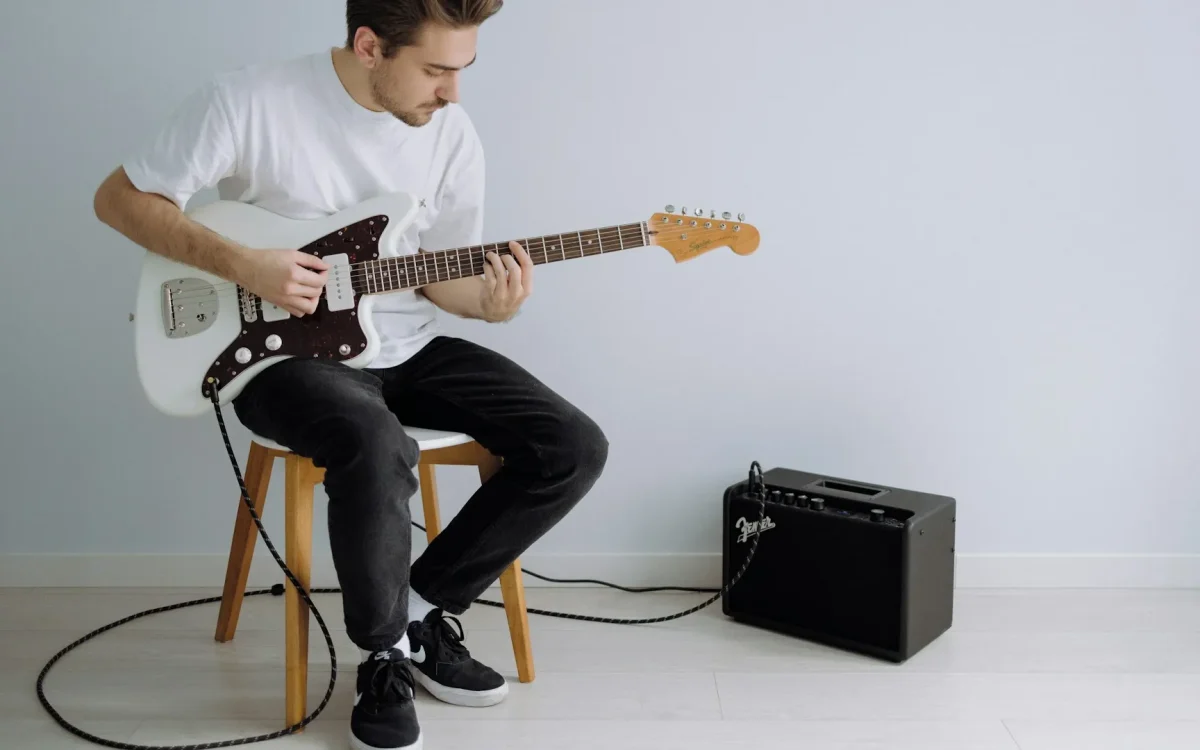
Depending on the instrument and teacher, a first lesson might include learning how to sit or stand, how to hold the instrument, producing a first sound, simple rhythm or listening games, finding notes and maybe a short first tune. Pianists might learn finger numbers and find groups of black keys; guitarists might learn to hold the guitar and play open strings; singers might do breathing and pitch exercises. The teacher may also check your sense of rhythm and pitch through simple activities.
Preparing a child for a first lesson
Talk positively about the lesson beforehand, explaining that the teacher will help them learn and that nobody expects them to know anything yet. Make sure they have eaten, are not tired, and have been to the bathroom. If allowed, stay for the first lesson to help them feel comfortable. Avoid putting pressure on them to perform well. Afterwards, ask what they enjoyed rather than how well they did. See questions to ask a music teacher.
Preparing as an adult
Many adults feel self-conscious about being beginners. Remember that teachers work with beginners all the time, and they are pleased that you want to learn. Share your goals and any concerns, such as limited practice time or past negative experiences. Be ready to laugh at early mistakes. See music lessons for adults.
Questions to ask the teacher
Use the first lesson to ask practical questions: How much should I practise, and how? Which books or materials do I need? What instrument should I buy or rent? How do you communicate between lessons? What are your policies on missed lessons? How will we track progress? Writing questions down in advance helps.
After the lesson
Practise on the same day if possible, even for ten minutes, while the instructions are fresh. Read through your notes. Set up a regular practice time and space. If the teacher suggested buying materials or an instrument, do so before the next lesson. Reflect on how the lesson felt: did you feel comfortable, encouraged and clear about what to do? See getting the most from lessons.
If it does not feel right
Not every teacher is a good match, and that is fine. If the first lesson felt uncomfortable, unclear or discouraging, it is reasonable to try another teacher. However, give it a fair chance; first lessons can be awkward for everyone. A second lesson often feels much more relaxed. Trust your instincts, especially regarding children’s comfort and safety.
A closer look: first online lessons
For an online first lesson, test your camera, microphone and internet connection beforehand. Position the camera so the teacher can see your hands and posture. Choose a quiet room, and have your instrument tuned (or ask the teacher to help). Keep a notebook nearby. Online lessons can feel strange at first, but most students adapt quickly. See online or in-person lessons.
Putting it into practice
Before your first lesson, gather your instrument (if portable), a notebook, and a written list of questions. Think about your goals and the music you love. Afterwards, practise the same day and set up a weekly routine. Our free practice timer and sticker chart helps children and adults build the habit from the start.
Frequently asked questions
Should I practise before my first lesson?
No preparation is needed. Some people like to explore the instrument a little, which is fine.
Can parents stay during a child’s first lesson?
Many teachers welcome parents at first. Ask beforehand.
What if I feel embarrassed as an adult beginner?
That is very common. Teachers are used to beginners of all ages and will put you at ease.

Questions and notes