Classical, Acoustic or Electric Guitar: Which Should a Beginner Choose?
The three main types of guitar feel and sound very different. Nylon-string classical, steel-string acoustic and electric guitars compared for comfort, styles, cost and what each needs to get started.
In this guide
One of the first decisions a new guitarist faces is which type of guitar to buy. Classical, steel-string acoustic and electric guitars all share the same basic layout and the same notes, so skills transfer between them. But they feel, sound and cost differently, and the right choice can make the first months much more enjoyable. This guide compares the three types to help you choose for yourself or your child.
Classical guitars (nylon strings)
Classical guitars have nylon strings, a wide, flat neck and a warm, mellow sound. Nylon strings are soft and under lower tension, so they are gentle on fingertips, which is why classical guitars are the usual choice for young children and many school programmes. The wide neck gives fingers room, which helps with clean chords and fingerpicking, though some adults with smaller hands find the width a stretch. Classical guitars suit classical music, flamenco, folk, bossa nova and fingerstyle playing. They are available in fractional sizes for children.
Acoustic guitars (steel strings)
Steel-string acoustic guitars have a brighter, louder, more ringing sound and a slimmer neck than classical guitars. They are the sound of folk, country, singer-songwriter, pop and campfire music. Steel strings are harder on the fingertips, so beginners often experience more soreness at first. A well set-up acoustic with light strings is much easier to play than a cheap one with high action. Acoustic guitars need nothing extra to play: no amplifier, no cables. Many models also have built-in pickups for plugging in later.
Electric guitars
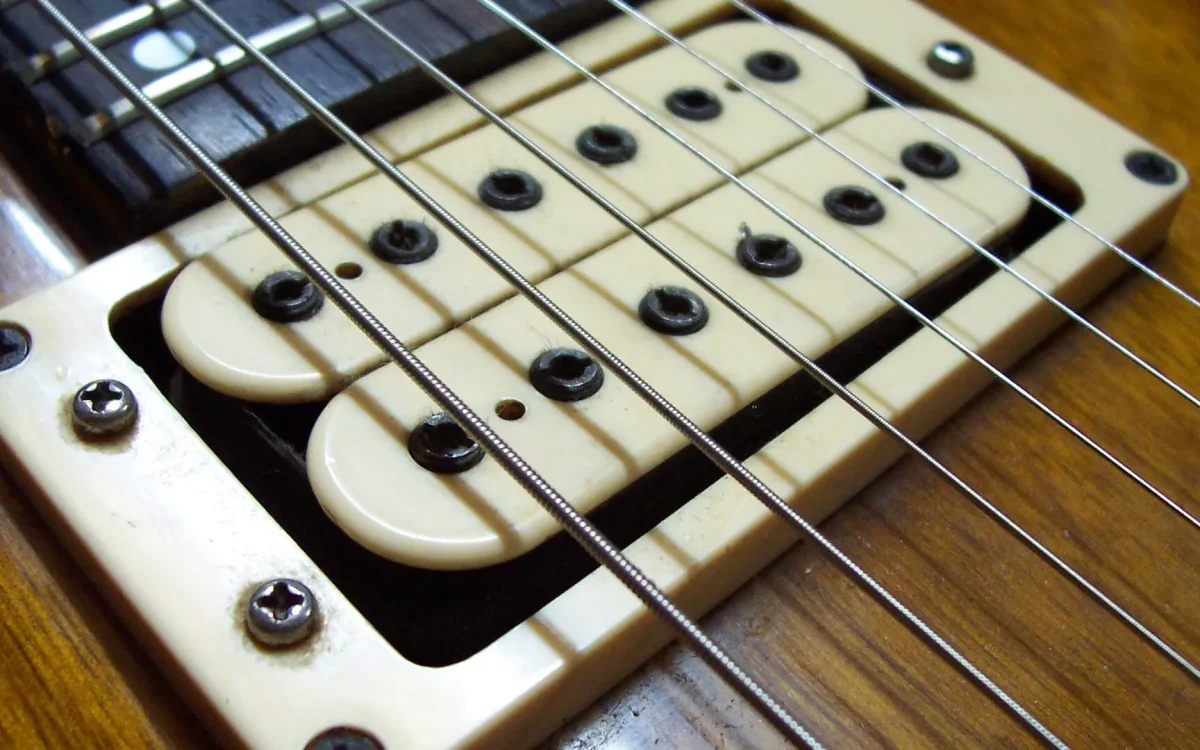
Electric guitars have solid or semi-hollow bodies, light steel strings and slim necks. They are often the easiest to press and play, which surprises many beginners. However, they need an amplifier and cable, and the sound depends heavily on the amp and settings. Electric guitars suit rock, blues, jazz, funk, metal and much modern pop. Small practice amplifiers and headphone amps make quiet practice possible at home.
The three types compared
| Feature | Classical | Acoustic | Electric |
|---|---|---|---|
| Strings | Nylon, soft | Steel, firmer | Light steel |
| Neck | Wide, flat | Medium | Slim |
| Fingertip comfort | Gentlest | Hardest at first | Easy |
| Extra equipment | None | None | Amplifier and cable |
| Typical styles | Classical, folk, fingerstyle | Folk, pop, country, songwriting | Rock, blues, jazz, pop |
| Child sizes | Widely available | Some available | Some short-scale models |
Choose by the music you want to play
The most important question is what music inspires you. A teenager who loves rock will practise more on an electric guitar than on a classical guitar, even if the classical is gentler on the fingers. An adult who wants to sing folk songs will enjoy a steel-string acoustic. A child starting with a teacher in a school programme will usually begin on a classical. Motivation drives practice, and practice drives progress, so choose the guitar that makes you want to play.
Comfort and fit
Whatever type you choose, make sure the guitar fits. Children need the correct fractional size; see guitar for kids: sizes and starting age. Adults with smaller hands may find a smaller-bodied acoustic, such as a parlour or concert model, more comfortable than a large dreadnought. Try guitars in a shop if possible: sit with them, reach for the first fret and play a simple chord.
Setup matters more than price
A guitar’s setup, especially the height of the strings above the fretboard, affects playability more than its price tag. A modest guitar that is well set up can be much easier to play than a more expensive one that is not. Buy from a shop that checks instruments before sale, or have a new guitar checked by a technician. Lighter strings can also make acoustic guitars more comfortable for beginners.
Budget and what to include
For classical and acoustic guitars, budget for the guitar, a tuner, a gig bag, a stand and spare strings. For electric guitars, add a small practice amplifier, a cable and possibly headphones. Many shops sell starter packs that include these items. Avoid the very cheapest instruments, which are often difficult to tune and play. See best guitars for kids and best metronomes and tuners.
A closer look: switching types later
Many guitarists eventually own more than one type. Skills learned on one transfer well to the others: chord shapes, scales, rhythm and reading are the same. Players who start on nylon strings often find steel strings uncomfortable for a few weeks when they switch, while those who start on electric may find acoustic guitars feel heavier and harder to press. These adjustments are short. The best first guitar is simply the one you will pick up and play every day.
Putting it into practice
Write down the three artists or songs you most want to play, and choose the guitar type that matches them. Visit a shop to try at least two guitars of that type, ask for a setup check, and add a tuner and stand to your purchase. Then follow the 12-week guitar roadmap. The Guitar Lesson Coach AI can help you choose based on your goals and budget.
Frequently asked questions
Is electric guitar easier than acoustic for beginners?
Electric guitars are often easier to press, but they need an amplifier. Choose by the music you love.
Can I learn classical pieces on an acoustic guitar?
You can play many pieces, but classical guitars give the traditional sound and wider neck for fingerstyle.
What size guitar does an adult need?
Most adults use a full-size guitar, though smaller body shapes can be more comfortable.



Questions and notes