What Affects the Cost of Music Lessons?
Music lesson prices vary widely. The factors that affect cost: teacher experience, location, lesson length, private versus group, online versus in person, exams, materials and instrument costs.

In this guide
If you have started looking for music lessons, you may have noticed that prices vary enormously. One teacher may charge twice as much as another nearby, and group classes, online lessons and music schools all have different pricing. Understanding what affects the cost helps you compare options fairly and choose lessons that offer good value for your family. Prices differ by country and region, so this guide focuses on the factors rather than specific figures.
Teacher experience and qualifications
Experienced teachers with strong qualifications, specialist training and a track record of student success usually charge more. Teachers who are newer, students themselves or teaching part time may charge less. A higher price does not always mean better teaching, but experience often brings skill in pacing lessons, solving problems and motivating students. For beginners, a capable, encouraging teacher at a moderate price can be excellent value.
Location
Lesson prices generally reflect local living costs. Lessons in large cities often cost more than in smaller towns. Teachers who travel to students’ homes usually charge extra to cover travel time and costs. Online lessons let you choose teachers from areas with different price levels.
Lesson length and frequency
Most teachers offer lessons of 30, 45 or 60 minutes. Longer lessons cost more but often provide better value per minute. Young beginners usually need only 20 to 30 minutes, while advanced students may benefit from 45 to 60 minutes. Weekly lessons are the most common; some adults choose fortnightly lessons to reduce costs, though progress may be slower.
Private versus group lessons
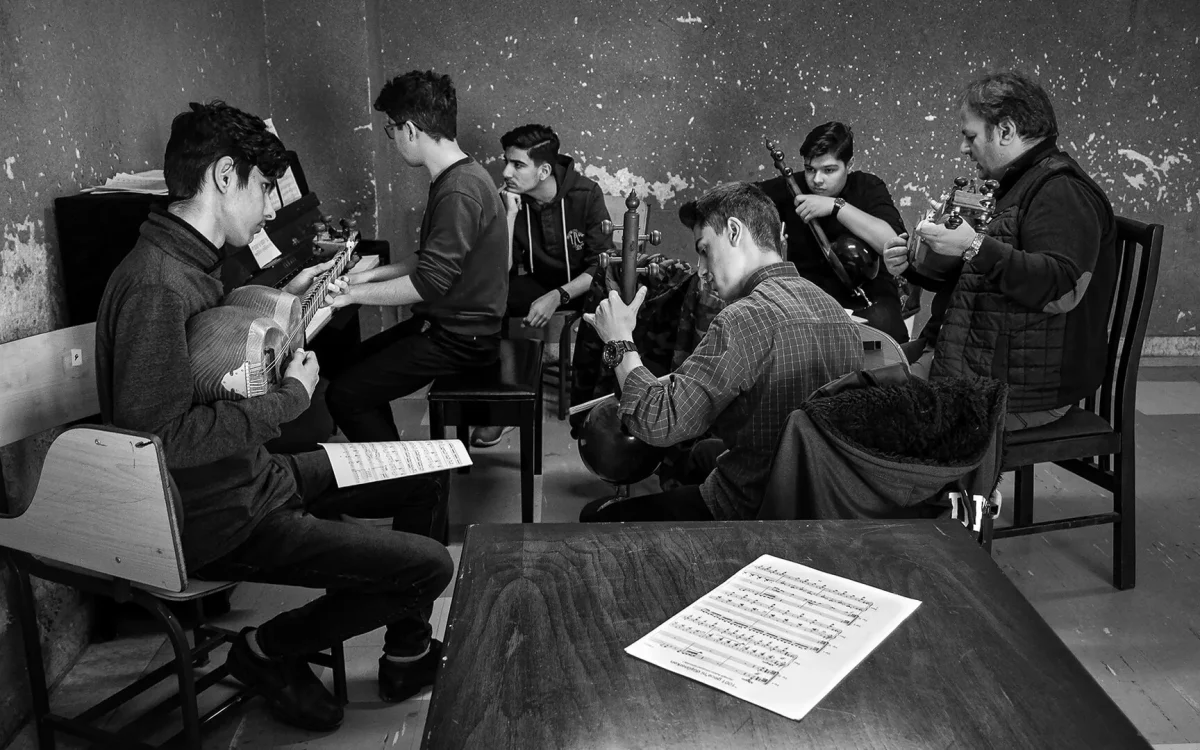
Group lessons are usually much cheaper per student because the teacher’s time is shared. They are sociable and work well for beginners, especially children. Private lessons cost more but offer individual attention, tailored pacing and faster progress on technique. Many families start with group classes and move to private lessons as skills develop. See group or private lessons.
Cost factors at a glance
| Factor | Tends to cost more | Tends to cost less |
|---|---|---|
| Teacher | Highly experienced specialist | Newer or student teacher |
| Location | Large city, home visits | Smaller town, teacher’s studio |
| Format | Private | Group |
| Length | 60 minutes | 30 minutes |
| Venue | Music school with facilities | Independent teacher |
Online versus in-person lessons
Online lessons are sometimes slightly cheaper because teachers save on travel and studio costs, but this varies. Online learning also saves families travel time and costs, which adds to its value. See online or in-person lessons.
Music schools versus independent teachers
Music schools and academies often charge more than independent teachers because they cover premises, administration and facilities. In return, they may offer ensembles, recitals, practice rooms and easy cover when teachers are away. Independent teachers may be more flexible and personal. School-based lessons, where available, can be subsidised and affordable.
Additional costs
Beyond lesson fees, budget for books and sheet music, exam entry fees, accompanist fees for some exams, recital or concert fees, and instrument maintenance such as strings, reeds or piano tuning. Ask teachers about these costs at the start so there are no surprises. See graded music exams explained.
Instrument costs
The instrument itself is often the biggest initial expense. Renting is a good option for children who are growing or trying an instrument for the first time; many shops offer rent-to-buy schemes. Second-hand instruments can be excellent value if checked by a teacher or technician. See best keyboards for kids and best violins for kids.
Payment structures
Teachers may charge per lesson, per month or per term. Paying per term often includes a small discount and helps teachers plan, but check the cancellation policy. Some teachers offer sibling discounts or packages of lessons. Understand what happens if you miss a lesson. See music studio policies.
A closer look: judging value
The cheapest lessons are not always the best value, and the most expensive are not always the best teaching. Value comes from progress, enjoyment and motivation. A teacher whose students practise happily, improve steadily and stay with music for years offers great value at any reasonable price. When comparing, consider the whole package: teaching quality, flexibility, communication, performance opportunities and how the student feels. See making music lessons affordable.
Putting it into practice
Contact several teachers and music schools, ask about fees, lesson lengths, policies and additional costs, and compare. Consider group lessons or shorter private lessons for beginners. Ask about trial lessons. Use our questions to ask a music teacher to guide your conversations.
Questions to ask about price
When you contact a teacher, ask exactly what the fee covers. Does it include books, a lesson notebook or access to recordings and online materials? Are there extra charges for recitals, exam entries or accompanists? Is there a registration fee or a deposit? How much notice is needed to stop lessons, and are missed lessons refunded or rescheduled? Asking these questions at the start lets you compare teachers fairly, because a lesson that looks cheaper may cost more once extras are included, while a slightly higher fee may cover materials and performance opportunities that add real value.
Frequently asked questions
Are group music lessons worth it?
Yes, especially for beginners. They are affordable, sociable and build basic skills.
Why do some teachers charge per term?
It helps teachers plan and often includes a small discount for families.
Is it worth paying more for an experienced teacher?
Often, especially for building good technique, though many newer teachers are excellent with beginners.

Questions and notes