Group or Private Music Lessons: Which Is Best?
Group classes and private lessons each have real strengths. How they compare on cost, attention, motivation, social benefits and progress, which suits different ages and goals, and how to combine both.
In this guide
When choosing music lessons, one of the first decisions is whether to learn in a group or one-to-one. Both formats can produce excellent musicians, and each has distinct strengths. The best choice depends on the student’s age, personality, goals, instrument and budget. This guide compares group and private lessons to help you decide.
What are group lessons?
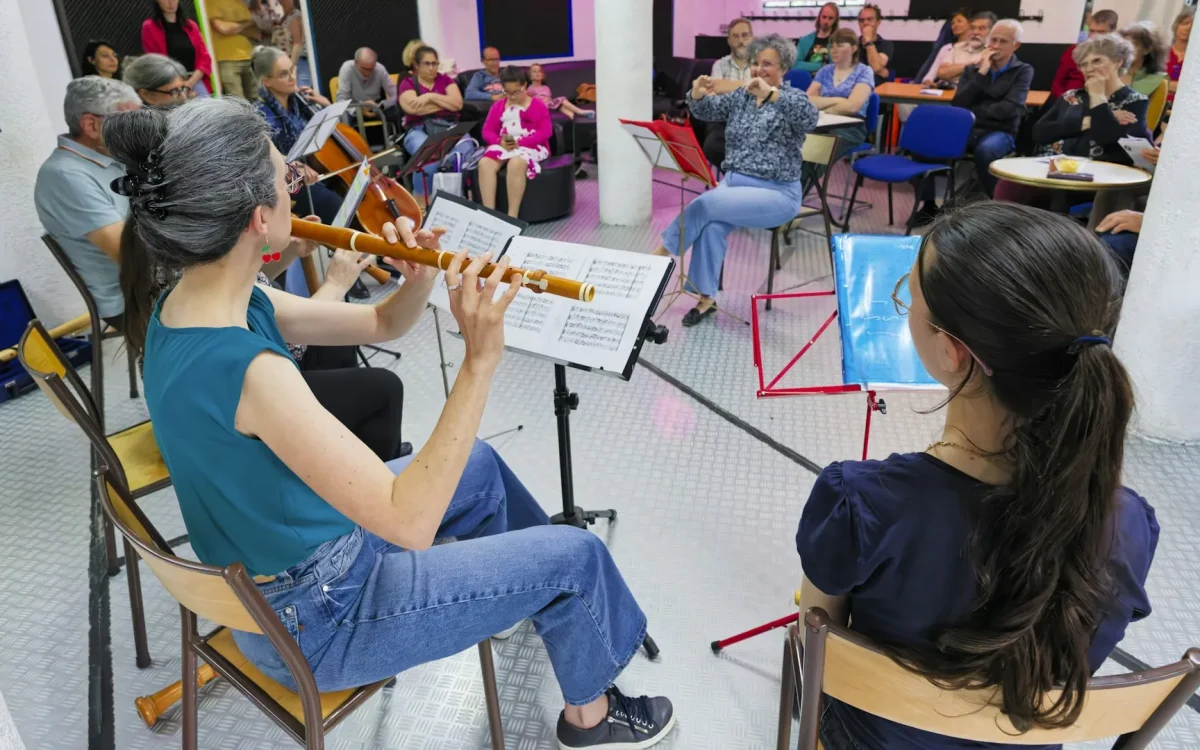
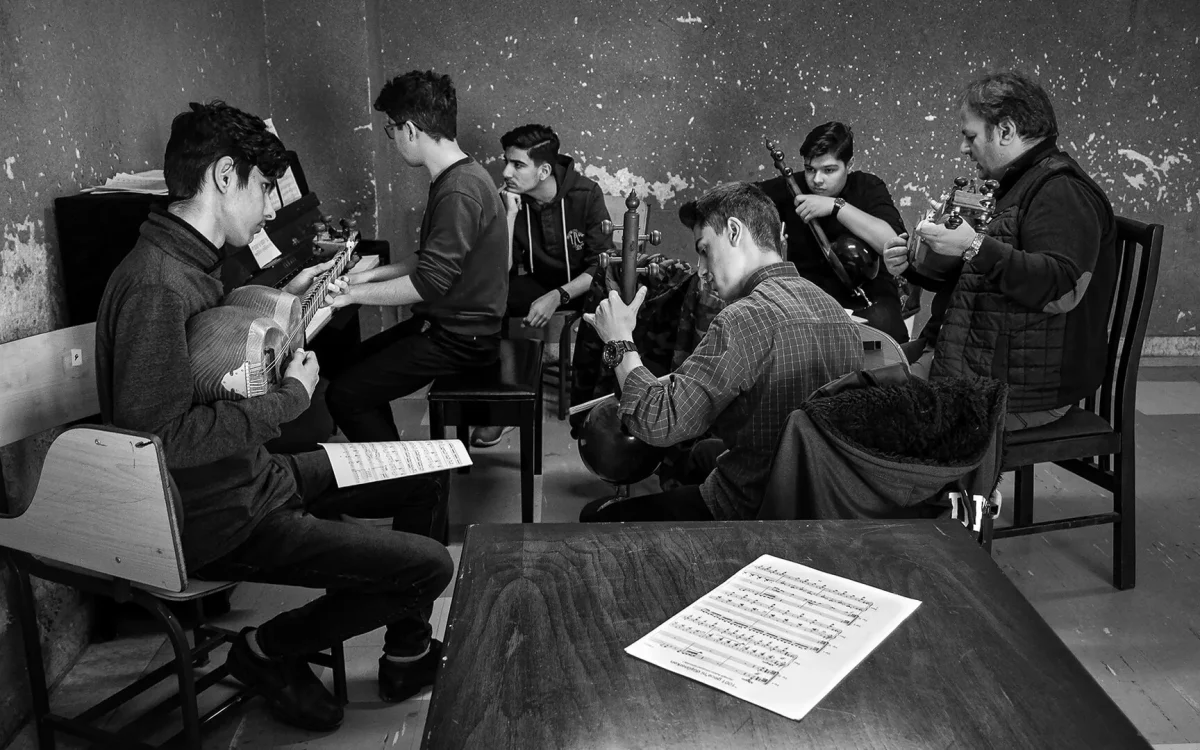
Group lessons involve several students learning together with one teacher. They range from early childhood music classes and school instrumental groups to adult beginner courses and ensemble programmes. Groups may be small (three to six students) or larger. Some focus on one instrument, such as group piano or guitar, while others combine instruments.
What are private lessons?
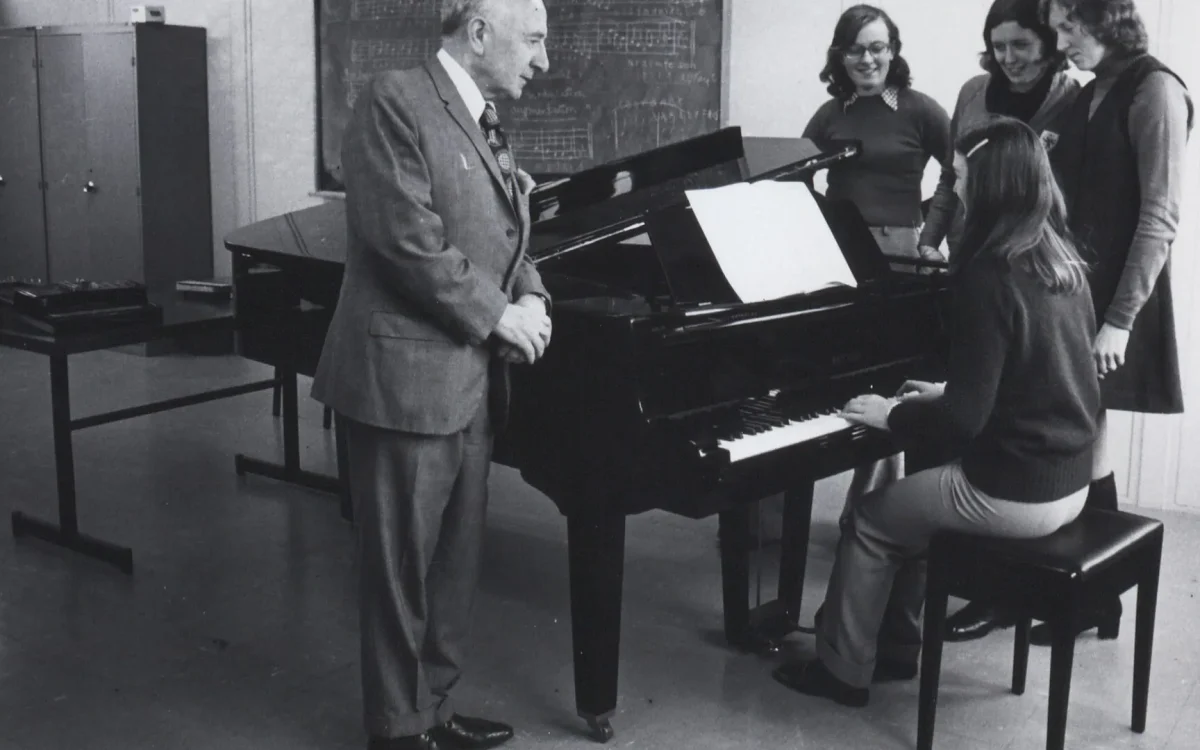
Private lessons are one-to-one sessions with a teacher, usually weekly. The teacher tailors every lesson to the individual student, adjusting pace, repertoire and focus. Private lessons are the traditional way of learning an instrument in depth.
The benefits of group lessons
Group lessons are usually more affordable, because the cost of the teacher’s time is shared. They are sociable and fun, and many children are more motivated when learning with friends. Students learn from each other, hear different approaches and develop ensemble skills such as listening, keeping time together and playing in harmony. Group settings can reduce pressure for shy students, who do not feel watched all the time. See group music lesson ideas.
The benefits of private lessons
Private lessons provide individual attention. The teacher can spot and correct technical problems early, adjust the pace to the student, choose repertoire that suits their interests and prepare them for exams or performances. Progress in technique is often faster. Private lessons are especially valuable for instruments with complex technique, such as violin, and for students with specific goals.
Comparison at a glance
| Factor | Group | Private |
|---|---|---|
| Cost per student | Lower | Higher |
| Individual attention | Limited | Full |
| Social benefits | Strong | Limited |
| Ensemble skills | Built in | Needs separate groups |
| Pace | Set for the group | Tailored to the student |
| Technique correction | General | Detailed and individual |
Which suits young children?
For children under about seven, group music classes are often ideal. They build rhythm, pitch, listening and confidence through songs, movement and games, without the demands of formal instrument lessons. Many children move to private lessons on a specific instrument around age six to eight. See teaching music to young children.
Which suits older children and teens?
Older children and teenagers often benefit from private lessons for technique and progress, combined with group experiences such as school bands, orchestras, choirs or rock groups. The group activities keep music social and fun, while private lessons develop individual skills.
Which suits adults?
Adult beginners can thrive in either format. Group courses are affordable, social and low-pressure, and many adults enjoy learning with peers. Private lessons offer flexibility, personalised goals and faster progress. Some adults start in a group to test their interest, then move to private lessons. See music lessons for adults.
Instrument considerations
Some instruments work very well in groups, such as ukulele, guitar, recorder, percussion and singing. Group piano works well in schools with multiple keyboards. Instruments with complex physical setups, such as violin, cello and brass, can be taught in groups but benefit from individual attention to posture and technique.
Combining both
Many students get the best of both by combining private lessons with group activities: a weekly private lesson plus a choir, band, orchestra or ensemble. This develops individual technique alongside teamwork, listening and the joy of making music with others. Many music schools offer packages that include both.
Questions to ask
For group lessons, ask about group size, age range, level grouping and how the teacher handles students who progress at different speeds. For private lessons, ask about the teacher’s experience, style and expectations. In both cases, ask about cost, policies and opportunities to perform. See questions to ask a music teacher.
A closer look: signs it is time to switch
A student in group lessons who is progressing much faster than the group, becoming bored, or struggling with a technical issue that needs individual attention may benefit from moving to private lessons. A student in private lessons who feels isolated, lacks motivation or wants to play with others may benefit from adding a group. Review the format every year or so, as needs change.
Putting it into practice
Consider the student’s age, personality, goals and budget, and try a trial in each format if possible. Many families start with group classes and add private lessons when the student is ready. Our guide to what affects music lesson cost helps with budgeting.
Frequently asked questions
Do students progress faster in private lessons?
Usually in technique, yes, because of individual attention. Group lessons build other valuable skills.
Are group lessons good for shy children?
Often, yes. Many shy children feel less pressure in a group.
What is the ideal group size?
For instrument lessons, small groups of three to six usually work best.

Questions and notes