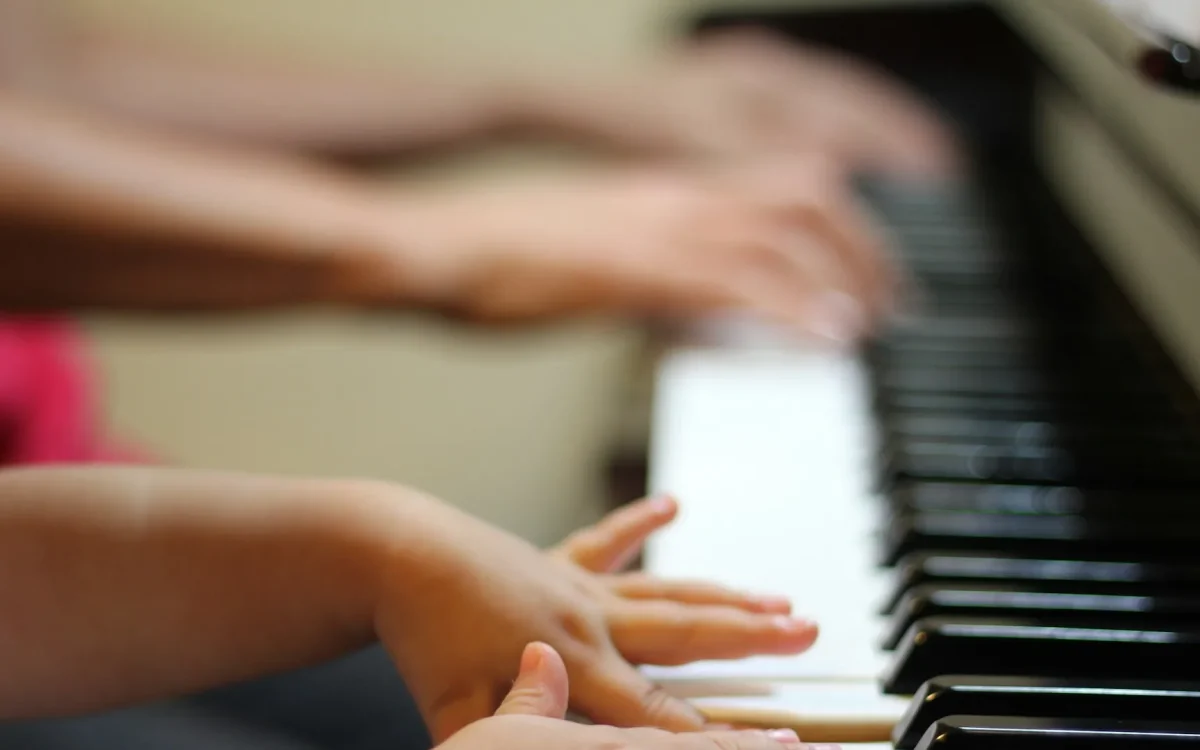
How Long Should You Practise Piano Each Day?
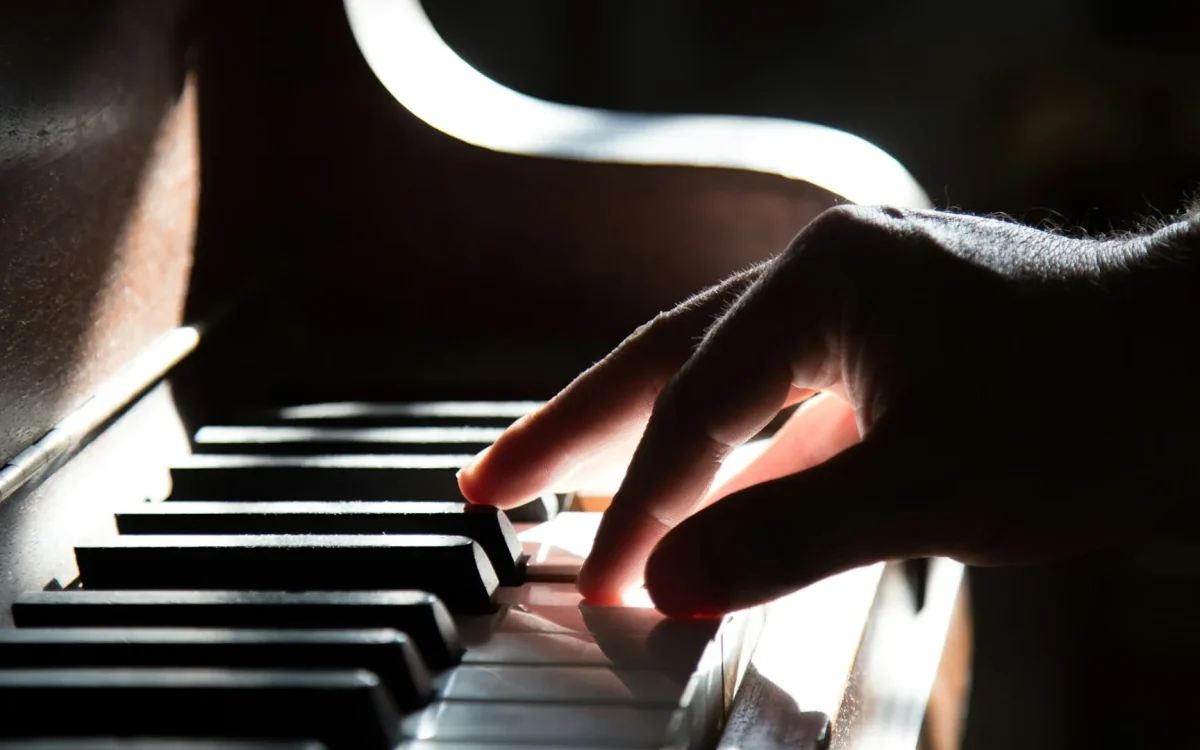
Practice time recommendations for piano by age and level, why focus matters more than minutes, how to structure a session and signs you are practising too little or too much.
Every WeLearnMusic guide, newest first: music for kids, piano, guitar, singing, reading music, lessons and exams, teaching and instruments for learners.
122 guides
Practice time recommendations for piano by age and level, why focus matters more than minutes, how to structure a session and signs you are practising too little or too much.
The kinds of beginner piano pieces that build skills and sound satisfying: five-finger tunes, simple duets, folk melodies, easy classical pieces and chord-based songs, with how to choose and learn…
Free video lessons can teach a lot, if you use them well. How to choose reliable teachers and channels, follow a sequence, practise actively instead of just watching, and avoid…
Not every student takes exams, but every student deserves to see their progress. Practical assessment tools: skill checklists, recordings, repertoire records, informal performances, self-assessment and reports.
Progress in music is often hard to see day to day. Practice logs, recordings, repertoire lists, goal setting, skill checklists and milestones help students, parents and teachers see how far…
Choosing a child's first violin is about size, setup and sound, not just price. How violin sizes work, what an outfit includes, renting versus buying, and six well-regarded student violins.
A little care keeps a guitar easy to play and sounding good for years. Cleaning, storage, humidity, cases and stands, string care, and when to visit a guitar technician for…
Learn the treble clef notes quickly with memory phrases, landmark notes, steps and skips, ledger lines and games. Practical tricks for children and adults that build real reading speed.
Your vocal range is the span of notes you can sing comfortably. How to find yours with a piano or app, what the voice types mean, the difference between range…
Good rhythm matters more than fancy chords. How to keep a steady beat, use the down-up strumming motion, read simple strumming patterns, count out loud and practise with a metronome.
A good student flute plays in tune, responds easily and survives school life. Closed versus open holes, curved headjoints for young children, renting versus buying, and six well-regarded beginner flutes.
Listeners connect with songs through the words. How to sing clear consonants and pure vowels, avoid mumbling, handle fast lyrics, sing in other languages and practise diction without losing tone.
Music lessons can be expensive, but there are many ways to reduce costs without sacrificing learning. Group classes, school programmes, shorter lessons, renting instruments, bursaries and free resources.
How long should a child practise, and what should practice look like? Age-by-age routines for children from five to fourteen, with sample sessions and tips for keeping practice consistent.
A realistic week-by-week plan for complete beginners: holding the guitar, tuning, first chords, strumming, changing chords, reading tab and playing your first full songs by week twelve.
A first recital can be exciting and scary in equal measure. How to prepare your child in the weeks before, what to do on the day, how to handle nerves…
The right teacher can make a child love music for life. Here is what to look for, the questions to ask, the warning signs to avoid and how to judge…
Flashcards are one of the quickest ways to learn note names, symbols, key signatures and rhythms. How to make or choose cards, practise in short bursts, use spaced repetition and…
Acoustic piano, digital piano or portable keyboard? The real differences for learners, what matters most (key action and size), budget options and when to upgrade.
Key signatures tell you which notes are sharp or flat throughout a piece. How to read them, the order of sharps and flats, quick tricks to name the key, major…
The recorder is many children's first instrument at school. Baroque versus German fingering, plastic versus wood, soprano versus alto, and six reliable recorders that play in tune and are easy…
Music lessons are often sold as a shortcut to better grades. The real benefits are broader and more human: listening, persistence, confidence, coordination, friendship and a lifelong source of joy.
How piano chords are built, the first major and minor chords to learn, how to move between them smoothly with inversions, and simple accompaniment patterns for playing songs.
What sharps, flats and naturals do, how to find them on piano and guitar, semitones and tones, enharmonic notes, accidentals that last for a bar, and key signatures, all explained…
The weekly practice letter
A new guide, a practice game and a tip for parents and teachers in your inbox each week. Free, and easy to leave.