How to Assess Student Progress Without Exams
Not every student takes exams, but every student deserves to see their progress. Practical assessment tools: skill checklists, recordings, repertoire records, informal performances, self-assessment and reports.
In this guide
Graded exams are one way to measure progress, but many students never take them, and even those who do take exams only occasionally. Yet every student, and every parent, wants to know how they are developing. Assessment without exams gives teachers a clearer picture of each student, helps students see their achievements and guides planning. The good news is that it can be simple, encouraging and built into ordinary lessons. This guide shares practical approaches.
Why assess at all?
Assessment is not about judging students; it is about understanding where they are and where they need to go next. Regular assessment helps teachers spot gaps, plan lessons and adjust pace. It helps students see progress, which is one of the strongest motivators. It also helps parents understand their child’s development and supports conversations about goals.
Skill checklists
A skill checklist lists the abilities expected at each stage of learning. For a beginner pianist, it might include: sits with good posture, names notes in both clefs, plays C, G and F major scales hands separately, keeps a steady beat, plays with basic dynamics and reads simple rhythms. Tick skills off as they are mastered, with dates. Checklists show progress clearly and highlight what to work on next. Many teachers base checklists on method books, exam syllabuses or their own teaching sequence.
Recorded comparisons
Recordings are one of the most powerful assessment tools. Record each student playing a piece or exercise at the start of a term and again at the end. Listening side by side reveals progress in tone, rhythm, fluency and expression. Students are often amazed at how much they have improved. Recordings also make excellent material for reports and parent conversations.
Repertoire records
Keep a list of pieces each student has learned, with dates and notes on level and quality. A growing repertoire list shows breadth of learning and gives students a sense of achievement. It also helps you ensure balance across styles, periods and techniques.
Assessment tools at a glance
| Tool | What it shows | How often |
|---|---|---|
| Skill checklist | Specific abilities mastered | Update monthly |
| Recordings | Overall musical progress | Each term |
| Repertoire list | Breadth of learning | Ongoing |
| Informal performances | Performance confidence | Each term |
| Self-assessment | Student awareness and goals | Each term |
| Written reports | Summary for parents | Once or twice a year |
Informal performances
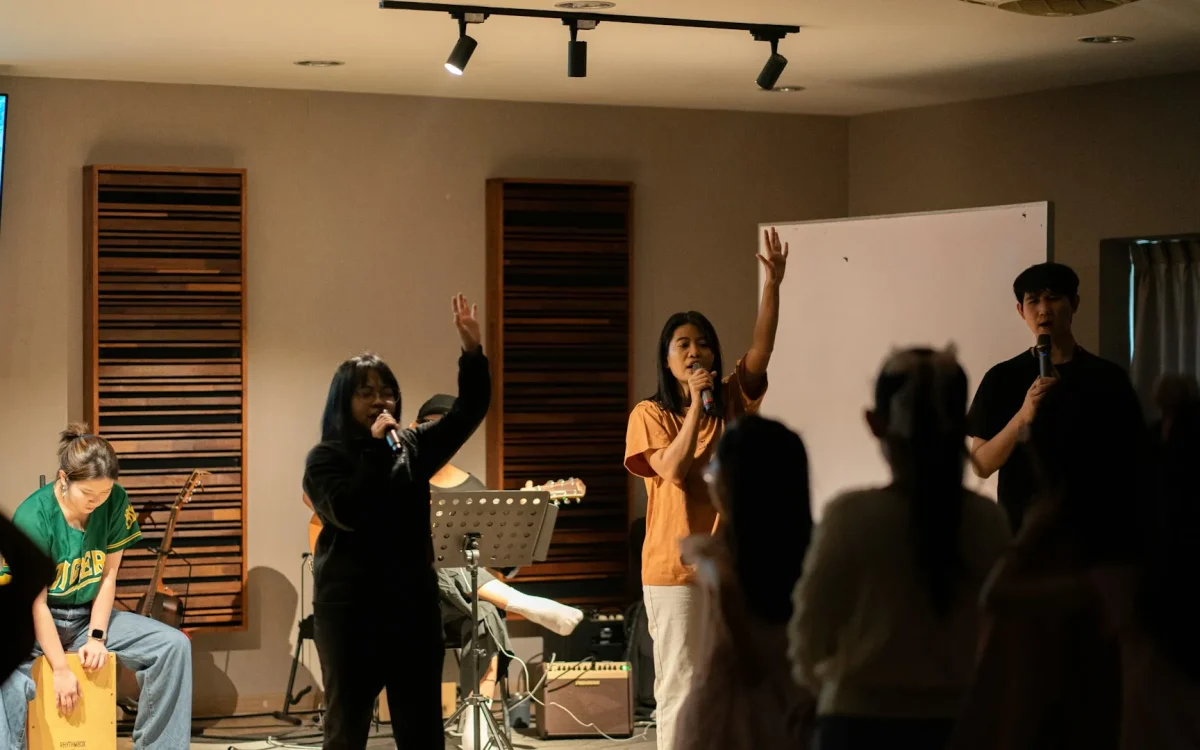
Performances show how well students can play under mild pressure, and they assess confidence and musicality as well as accuracy. Studio play-ins, recitals and performances for family give regular opportunities. Note how each student prepares, performs and recovers from mistakes. See organising a student recital.
Measurable skills
Some skills can be measured with numbers: metronome tempo for scales, speed and accuracy on note-reading quizzes, number of clean chord changes in a minute, length of a sustained note for singers. Tracking these numbers over time gives concrete evidence of progress. Our free note reading trainer tracks scores automatically.
Student self-assessment
Asking students to assess their own progress builds awareness and ownership. At the end of a term, ask: What are you proud of? What has improved? What is still difficult? What would you like to work on next? Older students can rate themselves on skills using a simple scale. Self-assessment conversations often reveal motivations and concerns that teachers might not otherwise hear.
Goal tracking
Set goals with each student at the start of a term and review them at the end. Goals might include learning specific pieces, mastering scales, improving reading or performing in a recital. Reviewing goals shows what has been achieved and guides the next term’s plan. See tracking progress in music lessons.
Reports for parents
A short written report once or twice a year helps parents understand their child’s progress. Include strengths, areas for development, pieces learned, goals achieved and goals for next term, along with practical suggestions for supporting practice. Keep the tone positive and specific. Reports also demonstrate professionalism and value.
A closer look: assessing musicality
Some important aspects of music are harder to measure: expression, tone quality, phrasing, creativity and enjoyment. Assess these through careful listening and descriptive feedback rather than numbers. For example: “Your phrasing in the middle section has become much more shaped and expressive.” Recordings help here too. Including musicality in assessment reminds students that music is more than correct notes.
Putting it into practice
Create a simple skill checklist for one level you teach, and record each student at the start of this term. Plan one informal performance and an end-of-term self-assessment conversation. The Lesson Plan Builder AI can help you build checklists and goals into your plans, and the Practice Chart Maker AI can create progress charts for students.
Frequently asked questions
Do students need exams to show progress?
No. Checklists, recordings and performances show progress clearly without exams.
How often should I assess students?
Informally every lesson, with a more structured review each term.
Should I give marks or grades?
Descriptive feedback and checklists are usually more helpful than marks for most students.
Questions and notes