Best Digital Pianos for Children Learning Piano
Once a child is committed to piano lessons, a digital piano with weighted keys makes a real difference. What to look for, portable versus console models, and six well-regarded digital pianos for young pianists.
In this guide
We may earn a commission when you buy through links on this page, at no extra cost to you. How we choose instruments.
Many children start piano on a small keyboard, which is fine for the first months. But as lessons continue, teachers usually recommend a piano with weighted, full-size keys. A digital piano is often the practical choice for families: it costs less than an acoustic piano, never needs tuning, takes less space and allows quiet practice with headphones. This guide explains what matters and lists six well-regarded digital pianos for children.
Why weighted keys matter for children
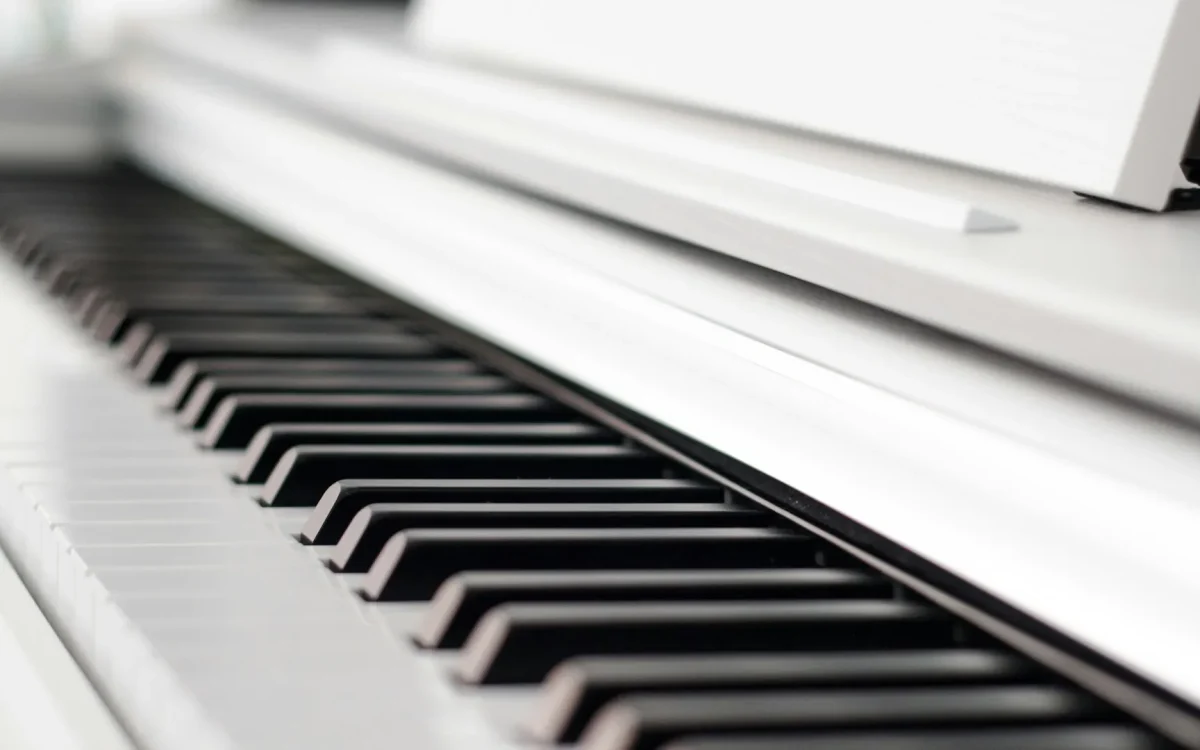
Weighted keys feel heavier in the bass and lighter in the treble, like an acoustic piano. They help children build finger strength, control dynamics and develop technique that transfers to any piano, including at lessons, exams and recitals. Children who practise only on light keyboard keys often struggle when they play an acoustic piano. See keyboard or piano for learning.
What to look for
88 weighted keys
All the pianos below have 88 keys and weighted action. Graded action, heavier at the bottom and lighter at the top, is ideal.
Portable or console?
| Type | Advantages | Consider |
|---|---|---|
| Portable | Lighter, cheaper, movable | Needs stand, bench and better pedal |
| Console (cabinet) | Looks like furniture, stable, three pedals | Heavier, costs more |
Console pianos with three pedals and a fixed stand are excellent for children because they encourage good posture and feel like a “real” piano. Portable pianos are fine with a sturdy stand, adjustable bench and a piano-style pedal.
Sound and headphones
A good piano sound encourages practice. Two headphone outputs let a parent or teacher listen alongside the child.
Apps and connectivity
Many digital pianos connect to learning apps and sheet music apps via USB or Bluetooth. These can motivate children, though they should support, not replace, lessons.
Six digital pianos worth a look
These picks are based on long-standing reputations with teachers and families and on published specifications. Models change regularly; check current versions.
Best key action on a budget
Roland FP-10
88 weighted keys · portable · Bluetooth MIDI · two headphone outputs
Widely praised for its realistic key action at an affordable price, the FP-10 is an excellent first digital piano for a child committed to lessons. Add a stand and bench for good posture.
Suits: families wanting real piano feel on a budget.
Skip if: you want a furniture-style piano with three pedals.
Check the price on Amazon Price band: $$
Best compact choice
Yamaha P-145
88 weighted keys · portable · natural piano sound · USB connectivity
Yamaha’s compact P series is a long-standing favourite with teachers. The P-145 offers a natural piano sound and graded action in a light, slim body.
Suits: children in smaller homes or flats.
Skip if: you prefer a fixed cabinet and three pedals.
Check the price on Amazon Price band: $$
Best console piano for families
Yamaha Arius YDP-145
88 weighted keys · cabinet with three pedals · key cover · headphone outputs
The Arius series is a popular home digital piano. Its cabinet, three pedals and key cover make it feel like a traditional piano, and it encourages good posture.
Suits: families who want a permanent home piano.
Skip if: you need to move the piano often.
Check the price on Amazon Price band: $$$
Best budget weighted piano
Casio CDP-S160
88 weighted keys · slim and light · optional stand and pedal unit
The CDP-S160 is an affordable way to get 88 weighted keys. Its slim design suits small rooms, and an optional stand and pedal unit give a more piano-like setup.
Suits: families on a tighter budget.
Skip if: sound quality is your top priority.
Check the price on Amazon Price band: $
Best piano-maker console
Kawai KDP75
88 weighted keys · cabinet with three pedals · Bluetooth MIDI
Kawai, a respected acoustic piano maker, offers the KDP75 as an affordable console digital piano with a natural action and expressive sound.
Suits: children serious about classical piano.
Skip if: budget is very limited.
Check the price on Amazon Price band: $$$
Best feature-rich console
Roland RP107
88 weighted keys · cabinet with three pedals · Bluetooth · lesson app support
The RP107 combines a home piano cabinet with Roland’s sound and key action, plus Bluetooth for learning apps. It is a versatile choice for a child who will play for years.
Suits: families who want a long-term home piano with modern features.
Skip if: you need a portable instrument.
Check the price on Amazon Price band: $$$
Setting up for a child
- Use an adjustable bench so forearms are level with the keys.
- Provide a footrest for children whose feet do not reach the floor.
- Place the piano in a shared, inviting space rather than a cold, isolated room.
- Keep the lid open and music ready, so practice is easy to start.
A closer look: digital or acoustic?
An acoustic piano offers the richest sound and touch, and some teachers prefer them for advanced students. But a good digital piano is an excellent instrument for learning, especially in the early and intermediate years. It needs no tuning, allows headphone practice and takes less space. Many families start with a digital piano and consider an acoustic later if their child continues seriously.
Putting it into practice
Once your child is committed to lessons, choose an 88-key weighted digital piano, set it up with an adjustable bench and footrest, and place it where your child will want to play. Pair it with headphones; see kids’ headphones for music. Use the Piano Practice Buddy AI and our practice routines by age.
Frequently asked questions
When should my child move from a keyboard to a digital piano?
When they are committed to piano lessons, often within the first year.
Do children need three pedals?
The sustain pedal is the most important. Three pedals are useful for advanced pieces.
Is a digital piano good enough for exams?
A good weighted digital piano is fine for practice, but try an acoustic before the exam.
Questions and notes