Rhythm Clapping Games for Kids and Beginners
Fun clapping games that build a strong sense of rhythm: echo clapping, name rhythms, pass the beat, rhythm cards, body percussion and games for the classroom, family or solo practice.
In this guide
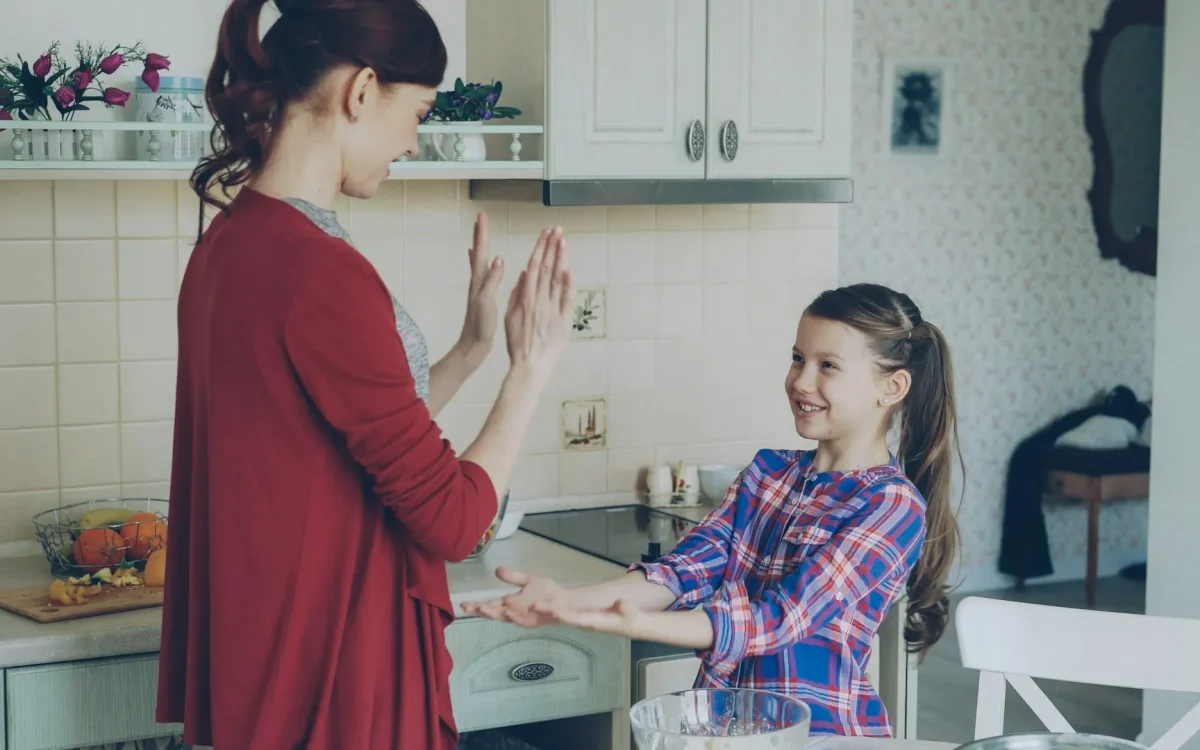
Rhythm is the heartbeat of music, and clapping is one of the simplest, most effective ways to develop it. Clapping games need no instruments, cost nothing, and work for toddlers, school children, adult beginners and whole classrooms. They build a steady sense of beat, the ability to copy and create rhythms, listening skills and coordination. Here are tried-and-tested games you can start using today.
Why clapping games work
When children clap, they connect sound, movement and counting at the same time. This physical experience makes rhythm concrete. Research and long teaching tradition both support the value of movement in learning rhythm: methods such as Kodály and Dalcroze use clapping, stepping and singing to build musical understanding before introducing notation. Games add fun, repetition and a sense of achievement.
Game 1: echo clapping
The leader claps a short rhythm, and everyone claps it back exactly. Start with simple four-beat patterns using claps on each beat, then add longer notes (a clap followed by a silent beat) and quicker pairs of claps. Gradually make patterns longer and more complex. Echo clapping develops listening, rhythmic memory and accuracy. Let children take turns being the leader.
Game 2: name rhythms
Every name has a rhythm. Say each person’s name and clap its syllables: “Ma-ry” is two quick claps, “Sam” is one clap, “E-li-za-beth” is four claps. Then clap a name without saying it and see who can guess whose name it is. This game connects rhythm to speech, which is how many children first understand it. Extend it with foods, animals or football teams.
Game 3: pass the clap
Sit in a circle. One person claps once, then the next person claps, and so on around the circle, keeping a steady beat. Try to keep the claps exactly even. Then speed up or slow down together. A variation is “pass the rhythm”, where each person claps a two-beat pattern of their choice in turn, keeping the beat going without a pause.
Game 4: rhythm cards
Make cards showing simple rhythms in notation: four crotchets, two minims, crotchet-crotchet-minim, quaver pairs, and so on. Show a card and have everyone clap it while counting. Arrange several cards in a row to make longer patterns. Children can create their own rhythm sequences and challenge others. See note values for kids.
Game 5: body percussion
Use different parts of the body for different sounds: claps, knee pats, stamps, finger clicks and chest taps. Create patterns such as “stamp, pat, clap, clap” and repeat them in a loop. Divide a group into two or three parts, each with a different pattern, to create layered rhythms. Body percussion builds coordination and a feeling for how rhythms fit together.
Game 6: call and response
The leader claps a “question” pattern of four beats, and a child claps a different “answer” pattern of four beats. This introduces improvisation and creativity, as children make up their own rhythms rather than copying. Encourage answers that feel like they “finish” the question.
Game 7: stop and go
Play music and have everyone clap along to the beat. When the music stops, everyone must stop clapping immediately. Then try clapping only on certain beats, such as beat 1 of each bar, or only on beats 2 and 4. This develops listening and an understanding of strong and weak beats. See time signatures for kids.
Games by age
| Age | Good games | Tips |
|---|---|---|
| 3–5 | Echo clapping, stop and go, name rhythms | Short, playful, lots of movement |
| 6–8 | Rhythm cards, pass the clap, body percussion | Introduce notation gradually |
| 9–12 | Layered body percussion, call and response | Add complexity and creativity |
| Teens and adults | Rhythm cards with dotted notes, polyrhythms | Use a metronome, add syncopation |
Using a metronome
Once children can keep a steady beat, introduce a metronome. Clap patterns with the metronome at a slow tempo, then gradually speed up. This helps children develop internal timing. Our free metronome works on any device and is perfect for clapping games.
A closer look: clapping games for instrument learners
Clapping is valuable for learners of every instrument. Before playing a new piece, clap its rhythm while counting. This separates the rhythm from the notes, so learners can focus on one thing at a time. Many teachers find that rhythm problems in pieces disappear once students can clap them accurately. Adult beginners benefit just as much as children. See guitar rhythm skills and teaching rhythm to beginners.
Putting it into practice
Choose two games to try this week, playing for five to ten minutes at a time. Rotate games to keep them fresh, and gradually increase difficulty. In a classroom, a short clapping game is a great warm-up. The Kids Music Activity Planner AI can create more rhythm games for specific ages, and the Music Quiz Maker AI can create rhythm quizzes.
Frequently asked questions
At what age can children start rhythm games?
Even toddlers enjoy simple clapping and movement to music. Structured games work well from about four.
My child cannot keep a steady beat. What should I do?
Start with marching and patting knees to music, and keep practising. Beat-keeping improves with play.
Do adults benefit from clapping games?
Yes. Clapping rhythms before playing is a valuable habit for learners of any age.
Questions and notes